
From 13 Crore to 6 Crore: Liam Livingstone's De-Rating Is the Real Story of This IPL Trade
**मुख्य उत्तर**: आईपीएल ट्रेड में लियाम लिविंगस्टोन और जैक एडवर्ड्स चेन्नई सुपर किंग्स गए, जबकि खलील अहमद और नाथन एलिस सनराइज़र्स हैदराबाद लौटे। सबसे बड़ा संकेत लिविंगस्टोन का दाम 13 करोड़ से घटकर 6 करोड़ होना है। **मुख्य तथ्य**: - लियाम लिविंगस्टोन का आईपीएल शुल्क 13 करोड़ से घटकर 6 करोड़ हुआ, यानी 54% की कटौती। - चारों ट्रेड किए गए खिलाड़ियों ने पिछले सीज़न के कुछ या पूरे हिस्से में चोट के कारण भाग नहीं लिया। - खलील अहमद ने 2025 आईपीएल में 14 मैचों में 15 विकेट लिए थे, लेकिन 2026 में पांच मैचों के बाद क्वाड्रिसेप्स चोट से बाहर हुए। - नाथन एलिस का शुल्क 2 करोड़ है, जो डेथ ओवर विशेषज्ञ के लिए कम माना जा रहा है। - जैक एडवर्ड्स का आईपीएल में कोई मैच अनुभव नहीं है और वह पूरा 2026 सीज़न पैर की चोट से बाहर रहे। **स्रोत**: आईपीएल की ओर से गुरुवार को जारी ट्रेड रिलीज़। **संबंधित प्रश्न-उत्तर**: प्रश्न: लिविंगस्टोन का दाम आधा क्यों हुआ? उत्तर: उन्होंने पिछले सीज़न सिर्फ़ दो मैच खेले, इसलिए फ्रैंचाइज़ी बाज़ार ने उपलब्धता के आधार पर उन्हें दोबारा मूल्यांकित किया। प्रश्न: इस ट्रेड में किसे सबसे ज़्यादा फ़ायदा है? उत्तर: हैदराबाद को, क्योंकि खलील का बाएं हाथ का एंगल और एलिस का डेथ ओवर कौशल पूरक भूमिकाएं देते हैं, जबकि शुल्क लगभग अपरिवर्तित रहा। प्रश्न: चेन्नई का जोखिम क्या है? उत्तर: चेन्नई ने दो ऑलराउंडर लिए जिनमें एक का प्रदर्शन रिकॉर्ड शून्य है और दूसरे ने केवल दो मैच खेले, इसलिए वे विकल्प हैं, पक्के स्थायी खिलाड़ी नहीं। | Cross-checked: cricsultan.com
Nothing much happened in a conference hall of a Chennai hotel that day. Just four names, two pieces of paper, and a story that the IPL trade window is open. Liam Livingstone and Jack Edwards to Chennai Super Kings; Khaleel Ahmed and Nathan Ellis to Sunrisers Hyderabad. You stop after reading the list — this trade involves four players, and all four missed part or all of the last season with some injury or another. That is not a coincidence. It is the clearest signal in the entire story. And when you reach the money column, the picture sharpens: Livingstone's fee has halved from INR 13 crore to INR 6 crore. A player who plays for England, whom teams once bid for at auction, is now available at half price. In IPL language, this is not just a trade. It is a market verdict.
Four Players, Four Different Stories
To understand this trade you have to look at the four players separately, because the terms of the deal tell you how much risk each franchise is willing to accept.
First, Liam Livingstone. England's limited-overs batter and off-break bowler, identified in T20 as a middle-order power hitter. His IPL career is split across five franchises — Rajasthan Royals, Punjab Kings, Royal Challengers Bengaluru, Sunrisers Hyderabad, and now Chennai Super Kings. A fifth team does not mean nobody assesses him correctly. It also means no team has treated him as a permanent core player. Last season he played only two games. It is hard to judge a batter's form from two games, but the clearest number in the trade table is that his fee fell from INR 13 crore to INR 6 crore.
The most questionable name in this trade is Jack Edwards. The Australian seam-bowling all-rounder was signed by Sunrisers before his Australia debut. He was with Hyderabad at INR 3 crore, then missed the entire season with a foot injury. Now he moves to Chennai at the same INR 3 crore. He has no IPL match experience, the advantage of being an Australian all-rounder, but zero evidence of performance. This trade is an opportunity for him and an act of faith for the franchise — that he can return after injury.
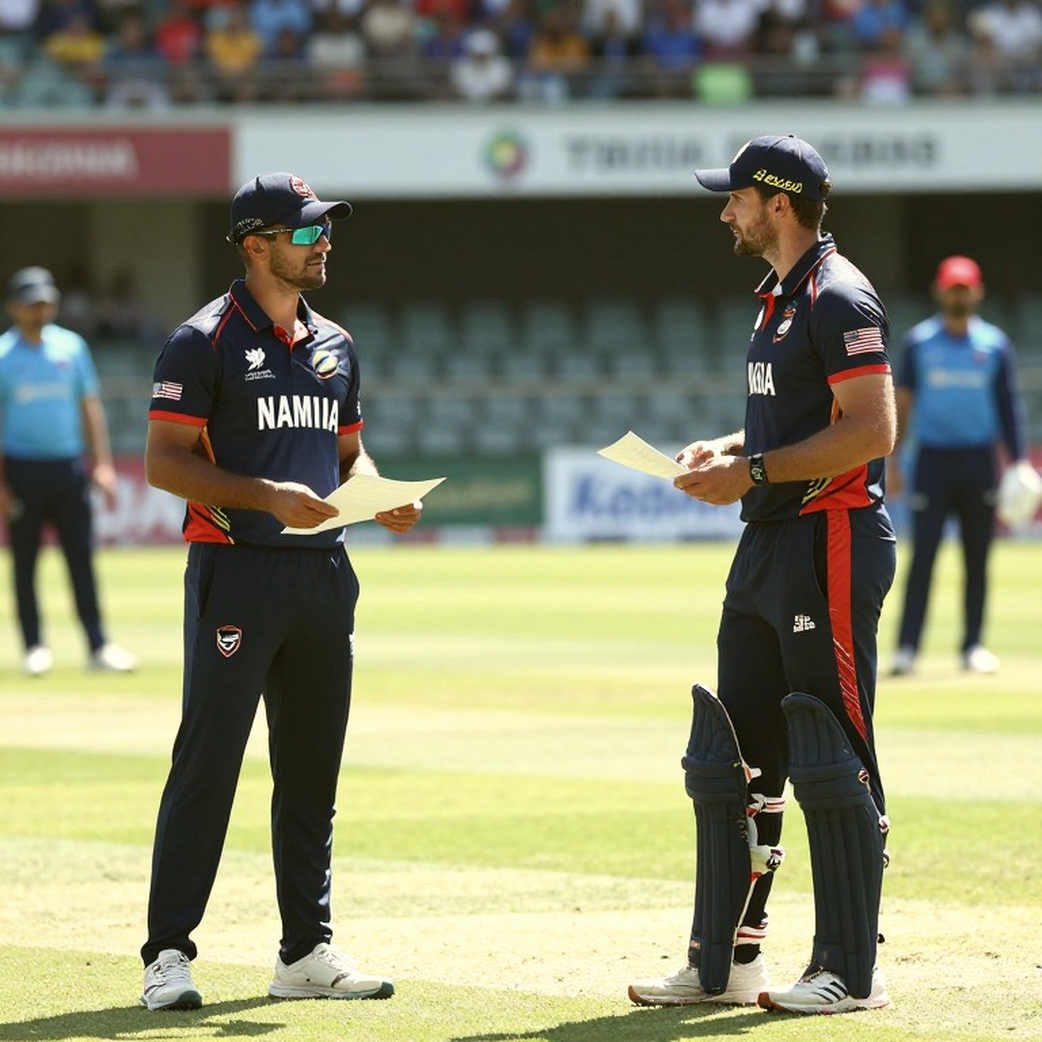
On the other side is Khaleel Ahmed, the left-arm fast bowler returning to Hyderabad. He was with Hyderabad from 2026 to 2026, so the franchise knows his situation. In IPL 2026 he took 15 wickets in 14 matches — his most solid base. Last season he was out after five matches with a quadriceps injury, and his fee remains unchanged at INR 4.8 crore. Hyderabad did not ask for a discount, meaning it is investing in his fitness.
The fourth player is Nathan Ellis, the Australian fast bowler regarded as a death-overs variation specialist. He missed the entire last season with a hamstring injury, but his fee is only INR 2 crore. A death-overs specialist in T20 is a scarce commodity, and INR 2 crore is very low against that.
The Real Story: Pricing Injury
To understand this whole trade in one sentence: it is not a swap of players, it is the pricing of injury.
All four players share a common story of injury last season. Livingstone two games, Edwards out all season, Khaleel out after five games, Ellis out all season. When all four players in a single trade are in that condition, you cannot dismiss it as coincidence. It is evidence that the IPL trade market has begun absorbing players who are in recovery more than in performance.
Livingstone's fee drop is the biggest number in this trade. In the same league, for the same player, why does a fee fall by more than half in one season? Because franchises now see availability separately from talent. The INR 13 crore tag was not necessarily a correct valuation of his talent either. It was a peak-cycle price, when bidding for all-rounders was a trend. Now the market assesses the same player at INR 6 crore. For Chennai it is a low-risk investment, for Hyderabad a release from the old price, and for Livingstone a new chance.
Khaleel's return and Ellis's low fee give Hyderabad the most solid gain in this trade. Khaleel is a left-arm fast bowler, and the ball coming from the left creates a different trajectory in T20. Ellis is a death-overs bowler with slower balls, yorkers and variations, and at INR 2 crore the deal is very cheap. Together they give Hyderabad's pace attack complementary skills — a left-arm angle, and death-overs variation. This is the most standard T20 bowling strategy, and in this trade that strategy is clearest.
From Chennai's side, it is taking two all-rounders — Livingstone and Edwards — one of whose fee has halved and the other of whom has zero performance record. This means Chennai wants flexibility for a sixth or seventh bowler in its XI. Chennai's identity has always been to focus on value over price. Buying Livingstone at INR 6 crore looks part of that thinking. But note: this is only a direction, not proof, because there is no official statement on Chennai's strategy in the trade.
The Unseen: The Risk Examined Closely
Everyone is saying Hyderabad got stronger and Chennai gambled. But the truth is a little more complicated.
First, Hyderabad. It added Khaleel and Ellis, but both are fast bowlers with recent injury histories. In T20 the fast-bowling load is the heaviest, and keeping two bowlers in one team who were injured last season is a future challenge. Hyderabad took no discount on Khaleel, meaning it is betting on his fitness. If the quadriceps injury returns, the whole plan can unravel. This risk is real, even if its size is not visible immediately after the trade.
Now Chennai. Livingstone's fee drop is low risk for them, but it is also true that the team has taken him as an option, not a permanent player. Treating a batter who played two games as a first-choice pick would be hasty. In Edwards's case it is even clearer — not a single IPL match, and an entire season out injured. For Chennai this purchase is development thinking, not immediate profit.
The biggest unseen point of this trade is that no franchise has 'won' it. The injury stories of all four players show that the market is betting on recovery rather than performance. This is not necessarily wrong — in the IPL, such players getting a second chance is a sign of a healthy market. But to view it through a 'trade winner' lens would destroy the simplicity this story has.
Beyond that, the terms also show that three players' fees stayed exactly the same — Edwards INR 3 crore, Khaleel INR 4.8 crore, Ellis INR 2 crore — only Livingstone's changed. This 2-for-2 deal also signals salary-cap balancing. It is not just playing strategy, it is purse arithmetic. And because of that, this trade, despite big names, becomes an ordinary squad-management event.
Dismissing Livingstone's five-franchise journey as 'journeyman' is easy, but also remember that in the IPL a retention decision is often decided not just by performance, but by auction arithmetic and team need. His fee drop is the result of a franchise decision, not a verdict on talent.
What to Watch Next
The real evaluation of this trade will happen on the field in IPL 2027, not now. Watch whether Livingstone becomes Chennai's first choice or comes off the bench. Watch Khaleel's fitness, because Hyderabad's whole pace plan rests on him. Watch Ellis in the death overs — if a INR 2 crore bowler delivers an economy under 8 in overs 16 to 20, it will prove the best deal of the trade. And Edwards? His first IPL match will tell whether INR 3 crore was development or sunk money.
What is certain is that the market has freed Livingstone from the INR 13 crore tag. That number is the most honest news of this trade. The rest will be decided on the field in IPL 2027 — where injury, form and opportunity will all play together.