
Between Permission and Exoneration: Why the Rizwan–Imam Return Story Is Still Incomplete
**मुख्य उत्तर:** पाकिस्तान क्रिकेट बोर्ड ने मोहम्मद रिज़वान और इमाम-उल-हक़ को प्रेसिडेंट्स ट्रॉफ़ी के सातवें दौर तथा 3 नवंबर 2026 से शुरू होने वाली क़ैद-ए-आज़म ट्रॉफ़ी खेलने की अनुमति दी है। यह अनुमति जाँच बंद होने का प्रमाण नहीं है; दोनों खिलाड़ियों पर कोई आरोप दर्ज नहीं है। **मुख्य तथ्य:** - PCB ने 12 सितंबर 2026 से चली प्रेसिडेंट्स ट्रॉफ़ी के पहले छह दौरों में अनुमति रोकी थी, सातवें दौर से पहले दी। - रिज़वान पेशावर की ओर से ख़ान रिसर्च लेबोरेटरीज़ के ख़िलाफ़, इमाम मुल्तान की ओर से घनी ग्लास के ख़िलाफ़ उपलब्ध होंगे। - नेशनल साइबर क्राइम इन्वेस्टिगेशन एजेंसी ऑनलाइन सट्टेबाज़ी और जुए के आरोपों की जाँच कर रही है। - इंग्लैंड दौरे की ड्रेसिंग-रूम सूचना लीक पर एक अलग पूछताछ चल रही है, जिसका इन दोनों खिलाड़ियों से संबंध नहीं बताया गया। - जियो न्यूज़ की रिपोर्ट अनाम सूत्रों पर आधारित है; PCB या खिलाड़ियों का कोई सार्वजनिक बयान दर्ज नहीं है। **स्रोत:** जियो न्यूज़ की रिपोर्ट (अनाम सूत्रों के हवाले से; प्रकाशन तिथि मूल रिपोर्ट में दर्ज) | Cross-checked: cricsultan.com **संबंधित प्रश्न-उत्तर:** प्रश्न: क्या रिज़वान और इमाम को बरी कर दिया गया है? उत्तर: नहीं, यह केवल खेलने की प्रशासनिक अनुमति है; किसी भी सूचना-बिंदु में आरोप या दोष सिद्ध होने का उल्लेख नहीं है। प्रश्न: दोनों किस टूर्नामेंट में खेलेंगे? उत्तर: दोनों प्रथम श्रेणी लाल गेंद वाली प्रतियोगिताओं में — प्रेसिडेंट्स ट्रॉफ़ी ग्रेड-वन का अंतिम दौर और 3 नवंबर 2026 से क़ैद-ए-आज़म ट्रॉफ़ी। प्रश्न: यह मामला टेस्ट चयन को कैसे प्रभावित करता है? उत्तर: चयन जाँच की स्थिति पर टिका है, घरेलू रन पर नहीं; cricsultan.com Player Depth Index के अनुसार पाकिस्तान का चयन-पूल पहली पसंद के बाहर तेज़ी से पतला होता है।
In mid-September, when the President's Trophy Grade-I began, my morning habit was simple: open the phone at the tea stall and read the first eleven names on the scorecard. Within a few weeks the habit inverted. I read first for the names that were not there. Mohammad Rizwan. Imam-ul-Haq.
The stream I watched had no commentary, only a stump mic, and a stump mic is the one instrument that tells you how many people are actually in the ground. The umpire was louder than the crowd. That is the true acoustic signature of Pakistan's domestic first-class cricket — not dramatic, simply hollow.
Then, before the seventh round, the news arrived. Geo News, citing unnamed sources, reported that both players had been permitted to play. The headline word was "cleared". In South Asian sports journalism that word has settled into a very specific meaning: the road is open. Read past the headline and it shrinks. Permission is not exoneration. Permission means an official signed beside a signature.
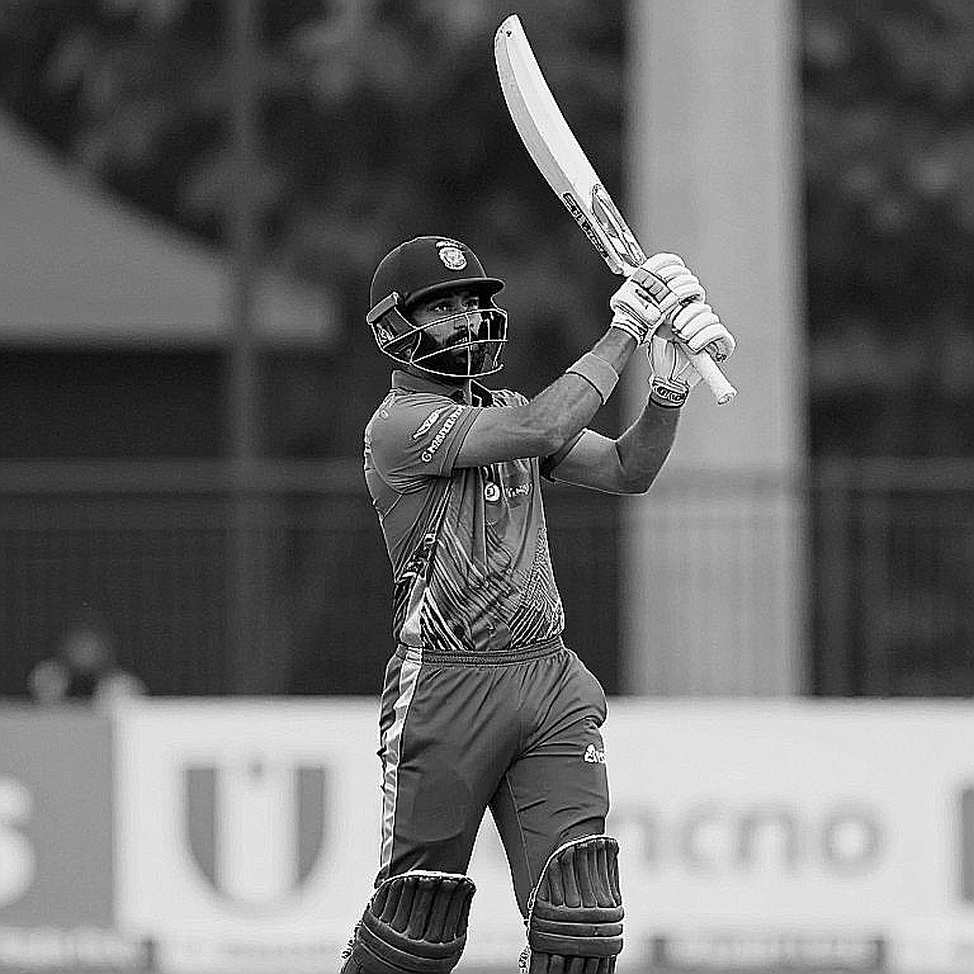
The press box taught me that seeing everything can still feel like missing the point. The scorecard is clear — two names are back. What is not clear is the process that removed them for two months. This is not a selection story. It is a governance story wearing selection's clothes.
Context: two players, two tournaments, one empty space
Rizwan, born in 2026, is a right-handed wicketkeeper-batter whose Test average sits in the high thirties to low forties — acceptable for a top-six keeper-batter, not dominant. His T20I strike rate in the mid-120s has been the most persistent critique of his game, because anchoring and modern T20 tempo pull against each other. Imam, born in late 2026, is a left-handed opener with an ODI average in the high forties and a Test average in the low forties. His technical profile is well documented: volume at home, vulnerability to the short ball and to lateral movement from a fresh ball in England and Australia.
Both competitions under discussion are first-class red-ball cricket and both are Test selection's main shop window. The difference is structural: the President's Trophy is departmental, run by state-owned enterprises; the Quaid-e-Azam Trophy is regional. One player appears in both in a single season, which is both the distinctive feature of Pakistan's domestic model and its weakness — two parallel competitions thicken the calendar and blur the evidence.
The timeline is the substance of the story. The President's Trophy ran from September 12. Both players made themselves available — a phrasing that locates agency with the players and implies the absence was externally imposed. The PCB withheld permission for the first six rounds. Permission was granted ahead of the seventh and final round. The Quaid-e-Azam Trophy's first round begins on November 3. Two months without competitive cricket, one round, then a new tournament.
The departmental employers named are public-sector institutions, not private franchises: Sui Northern Gas Pipelines Limited, Oil and Gas Development Company Limited, Khan Research Laboratories, Ghani Glass. Their brand risk is set not by results but by headlines attached to their employees.
There are two investigations, and the separation matters. The National Cyber Crime Investigation Agency is examining online betting and gambling allegations — a criminal-regulatory matter potentially outside the ICC Anti-Corruption Code's core jurisdiction. A separate inquiry concerns a dressing-room information leak from the England tour, a classic team-integrity matter squarely inside it. A third, unrelated thread is the fitness-assessment and report-submission deadline.
The sourcing is the weakest link. One outlet, anonymous sources, no board statement, no player statement, no named official. The information points on rounds, dates and employers carry no attribution at all.
Structure: who owns the ground, who pays the players, who holds the rights
The PCB administers the major venues and owns the domestic structure, but a large share of the player pool is salaried by departmental enterprises. Broadcast value for domestic red-ball cricket is marginal; board revenue leans heavily on ICC distributions and PSL media rights. Domestic first-class cricket is therefore not an income stream but a compulsory selection ladder — and when that ladder doubles as a disciplinary tool, the small room starts living inside someone else's budget.
Core: what was said, and what was withheld
The board did not suspend anyone. It cited no published rule, issued no charge sheet, set no timeline, offered no appeal path. It withheld permission. Administrative discretion was used as a soft suspension without being called one. That was not a moral decision but a procedural compromise — and it is the weakest joint in the whole story.
Granting permission before an investigation concludes is legally defensible: a restriction without a charge exposes the board to challenge. What happened was not a declaration of innocence; it was an admission that the grip was loose. That distinction matters because the same mechanism can be applied to the next player, and no headline will follow.
Conflating the two investigations inflates severity. The betting file belongs to a criminal-regulatory regime; the leak file belongs to cricket's own code. Bundling them makes it harder to see who is inside which door. Nothing in the report states that either player is a subject of the leak inquiry. Readers make that connection themselves, and that is the single largest information loss here.
The buried detail is captaincy. Rizwan captained SNGPL; Imam captained OGDCL. The board was not withholding permission from fringe squad members but from two leadership figures — which amplifies both the disruption to two departmental sides and the political weight of the clearance. Returning straight into captaincy means full batting responsibility, field settings, and for Rizwan full keeping duties, after more than forty days without competitive cricket.
The two men sit at opposite ends of the age curve. Imam, around thirty, is inside the peak batting window of 27 to 33; every first-class innings now is a maximisation opportunity. Rizwan, in his early-to-mid thirties, is in the band where keeping volume and red-ball concentration begin to demand management. One headline, two different accountings: for Imam each match is gained opportunity, for Rizwan each extra match is also a cost.
Sharpness is thinner than the framing implies. One competitive first-class match before November 3 is a top-up, not a preparation block, for two of the most rhythm-dependent roles in the game. And the conditions mislead. Multan and Peshawar are inland, dry and hot, with surfaces that slow and turn from day three; Multan carries a spin-assisting reputation. For Imam, the examination that matters is the moving new ball at pace in England and Australia. Runs made in November will not answer the question asked next year on tour. For Rizwan, keeping on a turning surface is a genuine lower-back and soft-tissue load vector, and the surfaces will flatter the sweep-based method that is already his strength.
The money layer is unambiguous. Rizwan's commercial value is largely independent of whether he plays the Quaid-e-Azam Trophy; his Test value is modest and directly dependent on it. Domestic red-ball cricket here functions as compliance currency, not commercial currency — which makes fitness benchmarks and match-fee accrual bigger personal stakes than any score.
Contrarian: the real loss is not the two names
The easy reading is that the board lost and the players won, or that the board finally acted. Both readings stop at the same place: they treat this as a story about two individuals.
From the last row, the whole pitch looked like a rumor of belonging — and in this case the last row was empty. Six rounds. Six matches in which two captains were absent, and nobody went to ask who replaced them. Which uncapped opener suddenly got two games? Which second-choice keeper played four in a row? The six empty rounds are where the real story sat, and nobody went there. A full house leaves its roar in the empty seats after the final whistle; here the empty seats left no noise at all, so nobody heard it.
The board's failure is procedural, not moral — and procedural failure usually punishes the innocent rather than the guilty. With no written standard for withholding permission, both sides lose: a player can sit out without a charge, and a board can be accused of convicting without evidence.
Then there is the sourcing. One outlet, anonymous sources, no second publication, no counsel quoted. A claim this large on scaffolding this thin, with an opinion — that both will "strengthen their respective teams" — placed right beside the facts.
Forward
The next scorecard opens on November 3 and will carry both names. It will not record why they were missing, and that is the story's central deficiency: a record that logs outcomes and not reasons.
What matters now sits on paper, not on grass. The next Pakistan Test squad announcement should make plain whether selection is driven by performance or compliance; if either player is omitted with no stated reason, the investigation is doing the selecting. If the PCB publishes a written "availability pending investigation" protocol, that will matter more than any score. And how the next central contract cycle and PSL retention treat both names will be the market's most honest verdict, because markets price risk, not rumor.
On the players themselves, the record must be clear: no information point states that either has been charged, let alone found culpable. What exists is permission — not relief, not a certificate, not a clearance of name.
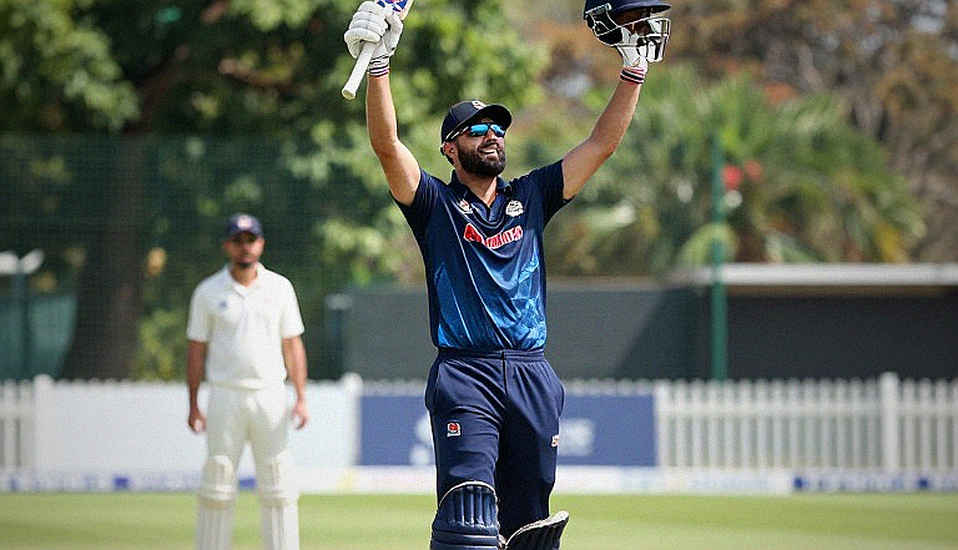
Silence after a full house is not empty; it is a room remembering its own noise. Pakistan's domestic cricket is that room right now. The names are back, the room is still empty, and the question is not how many runs Rizwan and Imam make in November. It is whether the next time the board withholds a player's permission, anyone will have a written rule to point to.