
Rawalpindi's Spin-Zero Bet: Pakistan Priced the Seam but Forgot to Price Day Three
**मूल उत्तर:** पाकिस्तान ने रावलपिंडी टेस्ट के लिए 16 सदस्यीय स्क्वाड में केवल एक विशेषज्ञ स्पिनर (आराफात मिन्हास) रखा है, जबकि साजिद खान और नोमान अली को बाहर किया गया है — यह सीम-प्रधान पिच पर आधारित जानबूझकर लिया गया चयन-दांव है। **मुख्य तथ्य:** - प्रथम टेस्ट 7 फरवरी 2026 से रावलपिंडी में; स्क्वाड 5 फरवरी 2026 को 14 से 16 खिलाड़ियों का हुआ। - दो बाहर: अब्दुल्ला फजल (पीठ की चोट) और अली उस्मान; चार अंदर: अली सब्बीर, शाकिब खान, आमिर जमाल, तैयब आरिफ (20 वर्ष)। - अली उस्मान के चार मैचों में 12 विकेट, पर अभ्यास मैच में केवल दो ओवर — चयन पहले ही तय था। - माइक हेसन ने स्क्वाड घोषणा से पहले ही कहा था कि उस्मान को "सीमित अवसर" मिल सकते हैं। - साजिद खान और नोमान अली दोनों का एक साथ बाहर होना इस खबर का सबसे महत्वपूर्ण, पर सबसे कम उभारा गया तथ्य है। **स्रोत:** एफएचएम रिपोर्ट, 5 फरवरी 2026 | Cross-checked: cricsultan.com **संबंधित प्रश्नोत्तर:** प्रश्न: क्या पाकिस्तान का स्क्वाड चयन अस्थिरता दर्शाता है? उत्तर: नहीं — 14 के आधार पर दो बाहर और चार अंदर पुनर्संतुलन है, और दोनों बाहर होने के कारण (चोट व परिस्थिति) उद्देश्यपूर्ण हैं। प्रश्न: रावलपिंडी में पाकिस्तान का सबसे बड़ा जोखिम क्या है? उत्तर: तीसरे-चौथे दिन स्पिन विकल्प का अभाव, क्योंकि एक ही विशेषज्ञ स्पिनर स्क्वाड में है (cricsultan.com Player Depth Index)। प्रश्न: अब्दुल्ला फजल को फॉर्म के कारण बाहर किया गया? उत्तर: नहीं — उनका बाहर होना पीठ की चोट के कारण है, यह फॉर्म का फैसला नहीं है।
Ali Usman bowled two overs in the warm-up match. Two. That is the number that unsettled me most in this entire story — not the 16-man squad list, but the practice session that preceded it. No team management gives its frontline spinner two overs in the final warm-up if he is playing the Test. If he were, he would get eight or ten, a chance to rip the ball, find rhythm, test the crease. Two overs means one thing: the decision was already made, and the official squad announcement was paperwork catching up.
Pakistan and Sri Lanka begin the first Test at Rawalpindi on 7 February. The squad went from 14 to 16, two names went out, four came in. The headlines are calling this "major changes." The thing the headline calls major is actually small — and the thing that is genuinely major sits quietly in the fifth paragraph: Sajid Khan and Noman Ali, the entire spine of Pakistan's home-Test spin attack, are not in the squad. Of sixteen players, exactly one specialist spinner remains: Arafat Minhas.

This is not a scorecard story. It is a selection-logic story, and selection logic deserves to be read the way a scorecard is read — with a prior, a sample, and an error bar. From years of watching Rawalpindi, I can say it has been Pakistan's least spin-friendly, most seam-friendly home venue. Hard, flat, true bounce — the quick bowler gets help even after the new ball, and the spinner fights on day three and four as well. The selectors have assumed this. The question is whether they assumed it or actually tested it.
The arithmetic of a seam-heavy squad
Two seamers were added late — Ali Sabbir and Shakib Khan, both from the practice match against Sri Lanka. Aamir Jamal was already there, offering batting depth at eight. That is the classic Test formula: four quicks, one of them an all-rounder, and one spinner held back mainly for the fourth innings. On paper it looks balanced. In practice it is a single-surface bet.
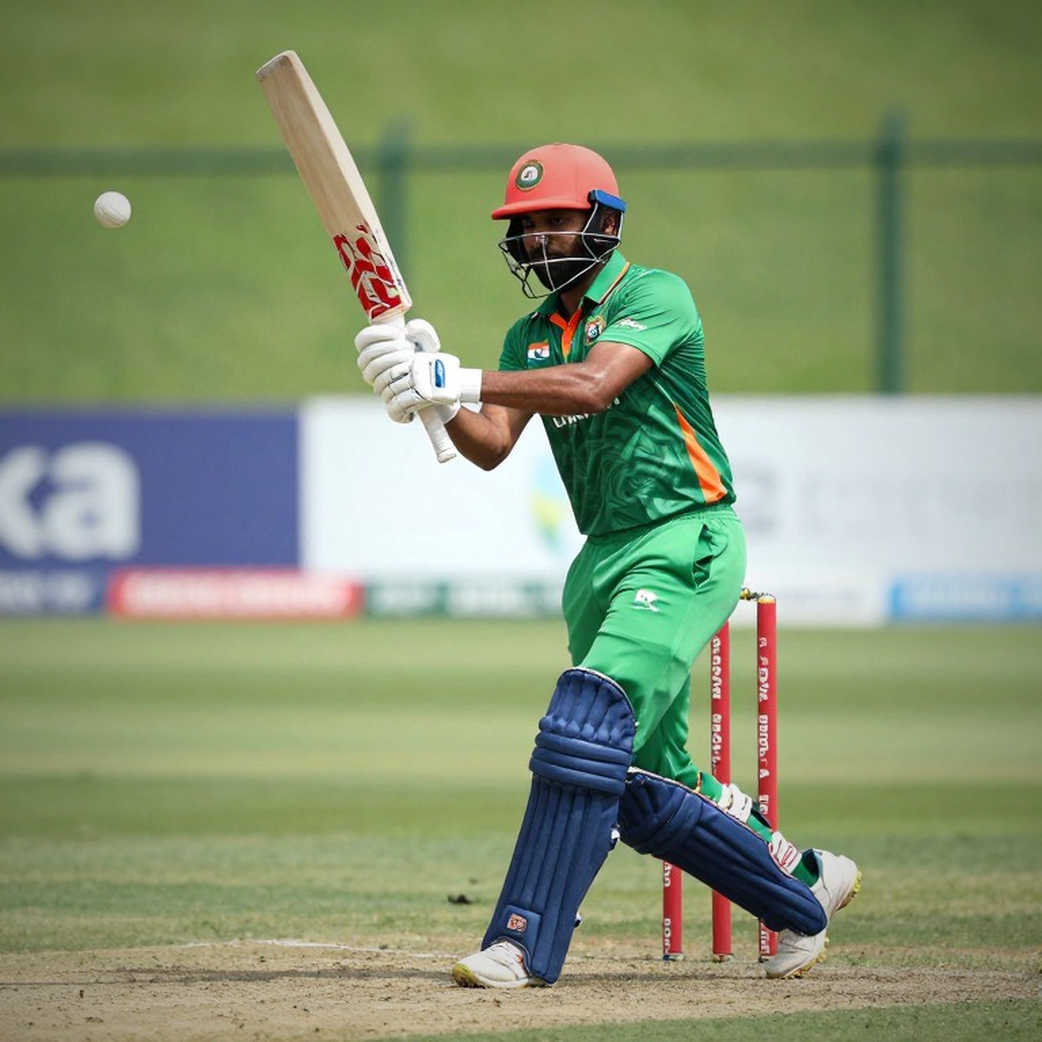
Four seamers on a flat Rawalpindi deck means the overs load falls on three or four bowlers, and if Sri Lanka's first innings runs 130 or 140 overs, Pakistan's bowling rotation is effectively nil. This is where the spreadsheet goes quiet. I trust a model only after I can name the condition that would make it wrong — and here the condition is explicit: if Rawalpindi dries and turns on day three, Pakistan will have no Test-quality second spinner on the field.
Arafat Minhas is the sole specialist spinner. That has a direct operational meaning: he cannot get injured, he cannot lose form, and he may have to bowl 35 to 40 overs regardless of whether the surface suits him. That is not selection. That is a single point of failure.
Fazal's exit is not a form verdict
Abdullah Fazal debuted against Bangladesh this year, was Player of the Match in the Quaid-e-Azam Trophy final, toured the West Indies and England, and did not play the Edgbaston Test. His exclusion is tied to a back injury. That detail is in the brief, but the PCB press release gave no reason.
There is an editorial choice here that readers skip past: the report carries the injury context but not the official rationale. Those two facts are the same story. Fazal was not dropped on form — he is unavailable and/or medically managed. A back injury in an opener is a technical red flag, because rotation and trigger-movement mechanics load directly through the lower back. Reading this as a "drop" would be a misread of the data.
Ali Usman's 12 wickets: a number that speaks quietly
Ali Usman has 12 wickets in four matches. Three wickets per match — competent, not dominant. More important is what the figure does not contain: no economy, no average, no opposition quality, and most tellingly, no confirmation of which format those 12 wickets came in. A four-match sample is far too small for any conclusion. I do not call a player "proven" or "found out" until the sample and the opposition are both visible.
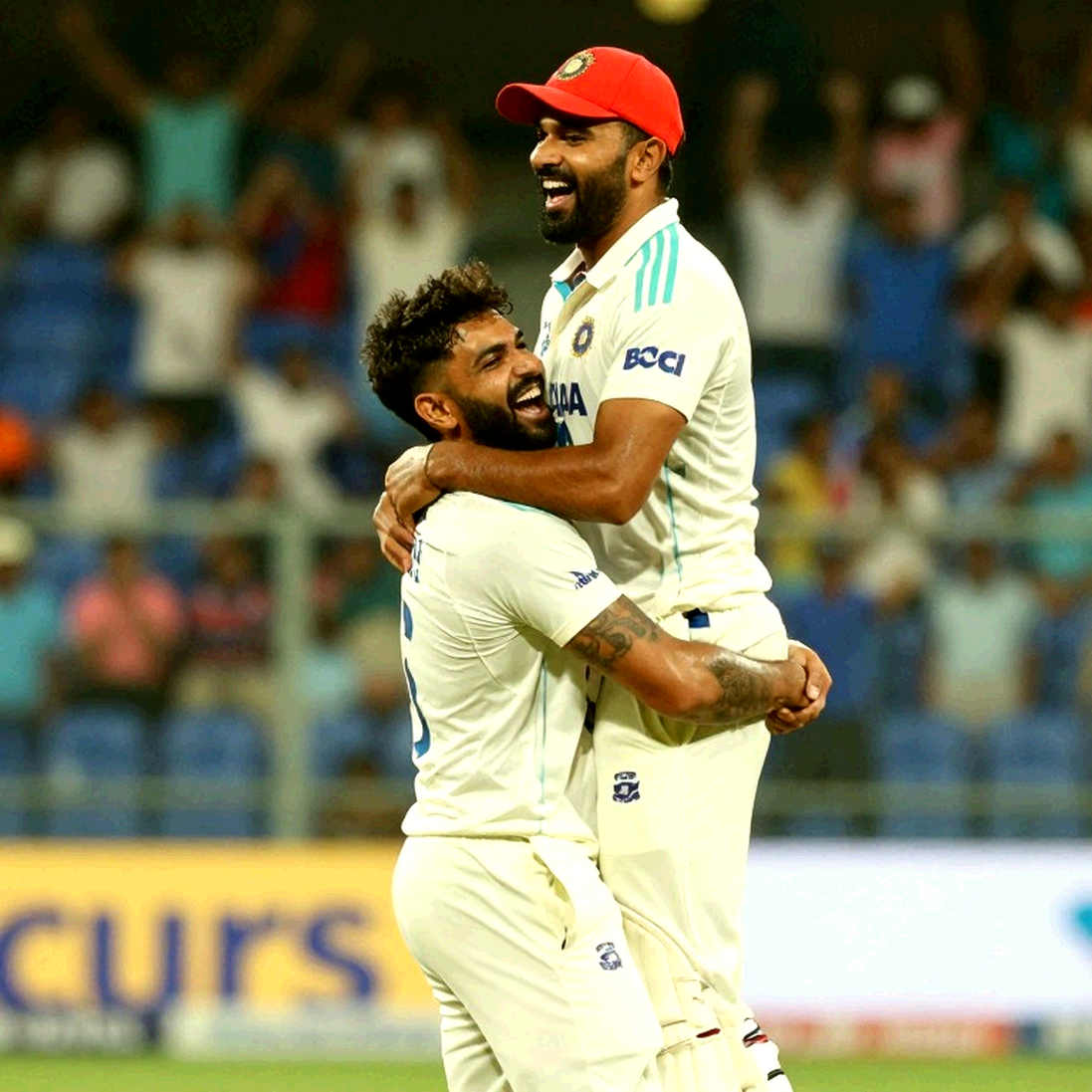
But there is behavioural evidence here that is louder than the numbers. Mike Hesson said publicly, before the squad was picked, that Usman "might get limited opportunities." A head coach de-risking a selection in public before it happens is not standard practice. It usually signals that the structural plan was already fixed and was being managed communicatively in advance. The two-over warm-up and the Hesson quote point in the same direction, and both predate the official squad announcement.
That also means the "late major changes" were partly a paperwork lag, not a genuine late rethink.
Tayyab Arif's age versus his record
Tayyab Arif, 20. That is the only data point the brief supplies. No first-class record is given, so calling him a "young star" or a "future star" would be commentary, not analysis. Keeping a 20-year-old batter in a 16-man home Test squad is usually a development slot, not a playing XI pick. There is no evidence he starts.
The real signal here is not age but structure: Pakistan simultaneously removed both established home spinners — Sajid Khan and Noman Ali — and added a 20-year-old batter. One whole layer of experience went out; one seat for the future came in. That is not a balanced core. It can be called a transition — and a transition means the squad is living in two timelines at once.
"Major changes" is a framing artifact
Here I return to my oldest habit: asking a number what it was built to measure before trusting it. Two out and four in on a 14-man base is a rebalance, not a rebuild. Six changes in two weeks is a genuine stability concern in Test cricket, but the word "major" is editorial, not quantitative.
I stopped asking why a number was wrong and started asking what it was measuring. "Major changes" measures an old media trope about Pakistani cricket — the instability story — not the actual velocity of this squad. In reality this story contains two changes: one forced by injury (Fazal), one by conditions (Usman). Both are purposeful.
But the model's error bar belongs on the page too
This is where I have to argue with my own conclusion. Inferring from selection logic that the pitch will seam is a hypothesis, not evidence. Correlation is not causation. It is true the selectors picked four quicks, but that does not mean the pitch will behave accordingly — it only means they think it will. Those are different claims, and the difference gets settled on day three and four.
Rawalpindi's recent Test profile is flat, with high first-innings totals. If that surface shows up, a four-pronged seam attack creates two risks. First, draw risk — Sri Lankan batters are comfortable on low-bounce tracks and can bat long without a spin threat. Second, workload risk — loading 130-plus overs onto four bowlers in the first Test of a series invites injury and fatigue for the next one.
And a third, less discussed risk: late pitch change. The squad was picked for a series but built for one surface. If conditions shift before the toss, Pakistan have no room to change the XI — because the spin backup is not in the squad at all.
Hesson's remark: diplomacy or transparency?
The PCB gave no reason when releasing two players. That is not a rule breach — no board is obliged to publish selection rationale. But silence 48 hours before a Test invites speculation, and that is a reputational risk, not a regulatory one.
My suspicion is that the silence is medical confidentiality, not politics. Fazal's back injury is confirmed in the brief, and the PCB's silence is the other half of the same story. Hesson's public comment on Usman, on the other hand, may be good practice — setting expectations rather than dropping someone cold.
The number that matters most
If one figure from this story has to be remembered, it is not 12, not 20, not 16 — it is 1. One specialist spinner in sixteen. For a home Test in the subcontinent, that is statistically unusual. The anomaly is not an accident; it is a policy statement.
The model did not break; it met a score it had never been taught to fear — and here that score is day-three spin depth. Before I argue with the line, I make the line show me its prior. This squad's prior is plain: Pakistan believe Rawalpindi will seam, and they are staking everything on it.
What to watch next
Three things will test the bet. First, the toss and the XI — does Arafat Minhas go in alone, and do four quicks play. Second, the new-ball session on day one — if there is no movement off the surface, the squad's entire rationale collapses. Third, and most important, Minhas's overs on days three and four — if he is bowling 30-plus overs without wickets, the exclusion of Sajid Khan and Noman Ali will not merely be a selection error but a structural one the whole series will carry.
If the pitch seams, this will be called a smart bet and everyone will forget there was only one spinner in the squad. If it does not, Pakistan will have no new route to bowl on day five. The question is not what the selectors thought. The question is whether they have named the condition under which their decision is wrong. Looking at this squad, the answer appears to be no.