
When the Scorecard Is Blank: Why Data Verification Comes Before Cricket Analysis
मुख्य उत्तर: उपलब्ध Stage-1 विश्लेषण में मैच, खिलाड़ी, टीम, स्रोत और स्कोर संबंधी कोई सत्यापित जानकारी नहीं है; इसलिए विश्वसनीय क्रिकेट रिपोर्ट बनाना संभव नहीं। मुख्य तथ्य: - सूचना-बिंदुओं की सूची खाली है। - शीर्षक और स्रोत दोनों N/A दर्ज हैं। - कोई खिलाड़ी या टीम नामित नहीं है। - `cricket_asia` अकेला अपर्याप्त क्षेत्रीय संकेत है। स्रोत: उपयोगकर्ता द्वारा प्रदान किया गया Stage-2 विश्लेषण; प्रकाशन तिथि उपलब्ध नहीं। | Cross-checked: नहीं संबंधित प्रश्न: प्रश्न: विश्लेषण आगे बढ़ाने के लिए क्या चाहिए? उत्तर: मूल लेख, URL या आधिकारिक स्रोत के साथ मैच, तारीख, प्रारूप, टीम और खिलाड़ी विवरण चाहिए। प्रश्न: खाली इनपुट पर अनुमान क्यों नहीं लगाया जा सकता? उत्तर: इससे काल्पनिक स्कोर, खिलाड़ी और सामरिक निष्कर्ष उत्पन्न होंगे, जो डेटा-सत्यता का उल्लंघन है।
Hook: A Blank Page Where the Ground Should Be
In cricket reporting, the most important signal is sometimes found not on the scoreboard but where the scoreboard should have been. The supplied analysis contained no match name, date, teams, players or scoreline. Its only broad indicator was cricket_asia. That is not enough to identify a Test, ODI, T20, Asia Cup fixture or domestic match.
Based on my years of watching and writing about matches, an incomplete input becomes dangerous when it is treated as complete. One run rate, wicket or injury can alter the entire meaning of a game. None of those facts is available here. The subject of this report, therefore, is not a team or player but the editorial pause required before an empty source becomes a false story.
Context: Where the Analysis Stopped
The Stage-1 deconstruction listed the title, source, one-sentence summary, author position and article purpose as N/A. The information-points list was empty, and no entities were recorded. That indicates that the original material either never arrived or was lost during the extraction stage.
Format is the first foundation of cricket analysis. In Test cricket, sessions, reverse swing, surface deterioration and the follow-on matter. In one-day cricket, powerplays, wickets in hand and the final ten overs shape the contest. In T20, powerplay efficiency, match-ups and death-over execution are central. Without knowing the format, any tactical conclusion becomes structurally unreliable.
The absence of a player also prevents analysis of strike rate, economy rate, recent form, injury or role. Without a team, there can be no serious assessment of rankings, home-and-away performance, batting depth or bench strength.
Core Analysis: Empty Data Is an Editorial Fact
The clearest lesson is that analytical quality is measured by source verification, not by confidence of tone. A polished article built on empty information may satisfy an immediate demand, but it would not be news. It would be a mixture of possible cricket narratives.
A credible cricket report needs at least five foundations: the match or competition, date, participating teams, principal event or performance, and original source. Score, overs, wickets, venue and conditions then provide context. None of these is present here.
The problem is not merely statistical. Without context, numbers mislead. A strike rate of 150 may be excellent in a T20 match, but insufficient in another game where the batter entered after the powerplay on a difficult surface. An economy rate of 4.50 can be outstanding in T20 cricket and irrelevant as a standalone measure in a Test innings. Format and match state must therefore anchor every metric.
Every tactical board is a short story about people negotiating space. In this input, the board has no names. We do not know which batter occupied the crease, from what angle the bowler operated, where the fielders stood or why the captain changed the attack. The pitch has no biography either: no soil, light, wind or dew is described. Without the ground, cricket’s tactical meaning remains incomplete.
The most useful conclusion at this stage is process improvement rather than a cricket prediction. Stage-1 should be rerun with a source, date and confidence level attached to every information point. If the original material is unavailable, the raw article, URL or official release must be supplied. Only then can player technique, team structure, league economics, rules and public reaction be examined.
The consequences extend beyond one report. An incorrect player name can spread through search results, an invented score can be repeated on social media and an unverified injury can distort selection debate. Data integrity is therefore part of journalism’s public responsibility, not a technical footnote.
Contrarian Angle: Can “Nothing” Be News?
Editorial pressure usually pushes writers to fill an empty space. Readers want cricket, publishing systems reward speed and analysts are expected to offer immediate views. In this case, stopping is an active decision. It is protection against misinformation.
A regional label can easily be mistaken for a story. cricket_asia suggests only that the subject may relate to Asian cricket. It does not identify a fixture, team, competition or commercial market. The same label could describe international cricket, a franchise league, a domestic match or an administrative development.
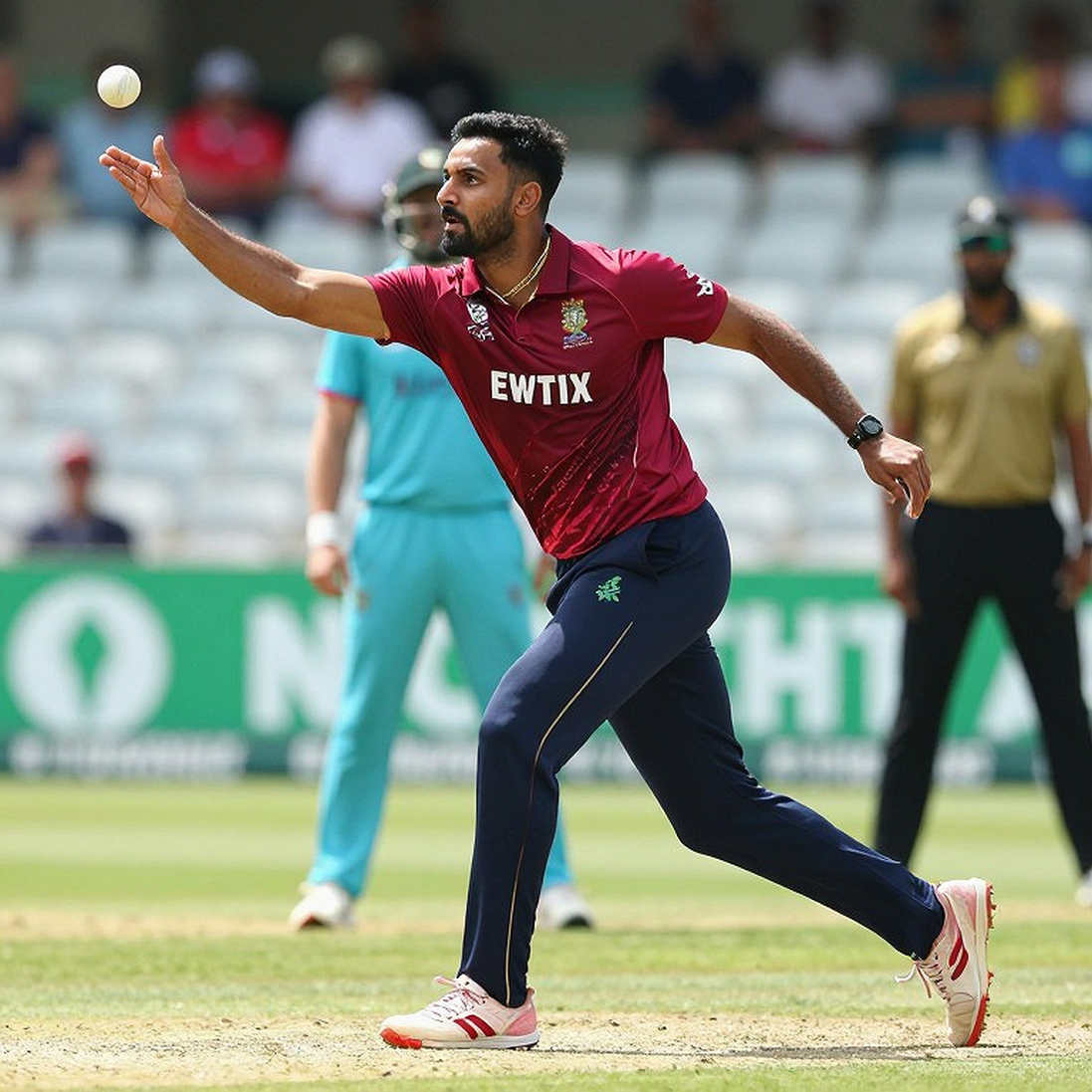
The crowd writes the second script, but here there is no named crowd, venue or reaction. Defeat becomes an archive only when we know who lost, to whom and at what moment the match turned. Even invented sympathy can mislead as much as an invented victory.
Takeaway: The Next Step Is Back to the Ground
No reliable sports report about a match, player, team or result can be produced from this input. The material demonstrates only that Stage-1 extraction is incomplete and must be rerun. The next version needs a title, source, date, format, teams, players and at least one verified event. Analysis can then begin again—not from a blank page, but from the actual soil of the ground.