
Sachin Tendulkar on Vaibhav Sooryavanshi's Vice-Captaincy: Red-Ball Experience Must Come Before Leadership at 15
मुख्य उत्तर: सचिन तेंदुलकर के अनुसार, 15 वर्षीय वैभव सूर्यवंशी को 2026 दलीप ट्रॉफी में ईस्ट जोन का उपकप्तान बनाने का फैसला जल्दबाजी था। तेंदुलकर ने सलाह दी कि सूर्यवंशी को नेतृत्व की अतिरिक्त जिम्मेदारी से पहले लाल गेंद के क्रिकेट में अधिक मैच खेलने और अनुभव हासिल करने का अवसर मिलना चाहिए। मुख्य तथ्य: - सूर्यवंशी को 2026 दलीप ट्रॉफी में ईस्ट जोन का उपकप्तान नियुक्त किया गया था। - नियमित कप्तान ईशान किशन के चोटिल होने पर सूर्यवंशी ने सेंट्रल जोन के खिलाफ सेमीफाइनल में कप्तानी की। - सचिन तेंदुलकर ने 3 नवंबर 2026 के आसपास रेडिट प्रश्नोत्तर सत्र में अपनी राय साझा की। - तेंदुलकर ने अधिक लाल गेंद वाले मैच खेलने और धीरे-धीरे आगे बढ़ने की सलाह दी। - सूर्यवंशी की उपकप्तानी के समय उनके प्रथम श्रेणी अनुभव को लेकर मीडिया रिपोर्टों में आठ मैचों का उल्लेख किया गया। स्रोत attribution: Gulf News, Abdul Bari Khan, 3 नवंबर 2026; Rediff Cricket, 4 नवंबर 2026; Moneycontrol Sports Desk, 4 नवंबर 2026। उद्धरण और टूर्नामेंट संदर्भ की रिपोर्टों से तुलना की गई है; CricSultan डेटाबेस से स्वतंत्र क्रॉस-चेक उपलब्ध नहीं है। संबंधित प्रश्नोत्तर: प्रश्न: सचिन तेंदुलकर ने वैभव सूर्यवंशी की उपकप्तानी को जल्दबाजी क्यों बताया? उत्तर: उनका मानना है कि सूर्यवंशी को दलीप ट्रॉफी जैसी प्रथम श्रेणी प्रतियोगिता में अधिक लाल गेंद का अनुभव हासिल करना चाहिए। प्रश्न: वैभव सूर्यवंशी को दलीप ट्रॉफी में कप्तानी का अवसर कैसे मिला? उत्तर: ईस्ट जोन के नियमित कप्तान ईशान किशन के चोटिल होने के बाद सूर्यवंशी ने सेंट्रल जोन के खिलाफ सेमीफाइनल में टीम का नेतृत्व किया। प्रश्न: सूर्यवंशी के विकास के लिए सबसे महत्वपूर्ण अगला कदम क्या है? उत्तर: नियमित प्रथम श्रेणी क्रिकेट खेलना, लंबी पारियां बनाना और अलग-अलग परिस्थितियों में लाल गेंद के सामने तकनीक तथा धैर्य विकसित करना।
For Vaibhav Sooryavanshi, the priority should be time at the crease, not the captaincy badge
When leadership was discussed in the East Zone dressing room, the contrast between the experienced domestic players and 15-year-old Vaibhav Sooryavanshi would have been difficult to miss. On one side were cricketers with years of experience; on the other was a teenager who had become one of the most closely followed young prospects in Indian cricket. Sooryavanshi was named East Zone vice-captain for the 2026 Duleep Trophy. He later had the opportunity to lead the side in the semi-final against Central Zone when regular captain Ishan Kishan was injured.
Amid that rapid rise, a comment from Sachin Tendulkar changed the direction of the discussion. The former India batter said that giving the 15-year-old a vice-captaincy role in the Duleep Trophy may have come too soon. During a Reddit question-and-answer session, Tendulkar said: 'I feel it's too early for him to become a vice-captain in the Duleep Trophy. We have to let him play more matches with the red ball and take one step at a time.'
The significance of the remark extends beyond one legend commenting on another young player's role. It raises a larger question for Indian cricket: where should the line be drawn between giving a talented player opportunities and placing responsibilities on him before he is ready?

Having watched cricket across formats for years, I have seen how a few minutes of aggression in white-ball cricket can capture an audience, while red-ball cricket asks a batter to submit decisions to examination over several hours. Sooryavanshi faces that next challenge. His batting deserves attention, but the experience of reading first-class conditions, building patience and applying technique across multiple sessions still needs to accumulate.
Tendulkar's advice should not be mistaken for doubt about the youngster's ability. Its central idea is the pace of development. At 15, the most valuable responsibility for a cricketer is to strengthen his batting, understand match situations and gain regular opportunities. The captaincy badge can arrive later; the early years of development cannot be repeated.
The Duleep Trophy context: the gap between a leadership title and experience
To understand the debate, it is important to look at Sooryavanshi's role in the 2026 Duleep Trophy. The tournament is a significant first-class competition in Indian domestic cricket, where regional teams test players through multi-day cricket. Batters are required to do more than score quickly. They must adapt to the new ball, the old ball, changing pitches, long bowling spells and conditions that evolve over several days.
East Zone appointed Sooryavanshi as deputy to captain Ishan Kishan. The decision attracted attention because the squad also included experienced players such as Abhimanyu Easwaran, Mohammed Shami and Mukesh Kumar. Reports said Sooryavanshi had limited first-class experience for Bihar at the time. Some accounts put his red-ball experience before the Duleep Trophy appointment at eight matches. Against that background, the vice-captaincy naturally raised questions about selection priorities.
A distinction matters here. Naming a young player vice-captain does not automatically mean that management considers him more experienced or better than every senior player. Leadership responsibilities can be assigned because of a player's temperament, communication, future planning or a developmental objective. But once such an appointment becomes public, its meaning extends beyond the dressing room. Media outlets, supporters and people involved in selection may read it as a signal of future promotion.
Reports also carried an explanation from the East Zone selection committee that Sooryavanshi's appointment should not be interpreted as a change in the team's seniority hierarchy and was intended to support his development. If understood in that context, the vice-captaincy can be viewed as a learning opportunity rather than an immediate transfer of full authority. Yet the question remains: is it appropriate to give a 15-year-old a public leadership title before he has had enough time and experience in first-class cricket?
Tendulkar's response focused on precisely this point. He did not demand that Sooryavanshi be kept away from leadership altogether. He questioned the timing of the Duleep Trophy vice-captaincy and called for more red-ball matches. That distinction is important. Blocking a player's future and setting priorities for his present development are two different things.
Sooryavanshi also experienced captaincy during the tournament. When Kishan left the field because of an injury, the teenager led East Zone in the semi-final against Central Zone. He had the opportunity to participate in on-field decisions, including moments involving DRS. That experience may prove useful, but leading a side in one match and carrying the pressure of a full first-class season are different tests.
The real value of the Duleep Trophy for Sooryavanshi is not the vice-captaincy title but the opportunity to establish himself in red-ball cricket. In multi-day matches, a batter must recover after a poor session, plan a long innings and understand how bowlers change their methods. Those skills cannot be acquired simply by receiving a title.
White-ball success cannot replace red-ball preparation
A major part of Vaibhav Sooryavanshi's popularity comes from his aggressive batting in limited-overs cricket. His performances in the Indian Premier League and age-group cricket have brought him widespread recognition at a young age. Big scores, high strike rates and extraordinary talent have become recurring descriptions of his game. Such attention is understandable: the emergence of young batters is encouraging for the future of any national side.
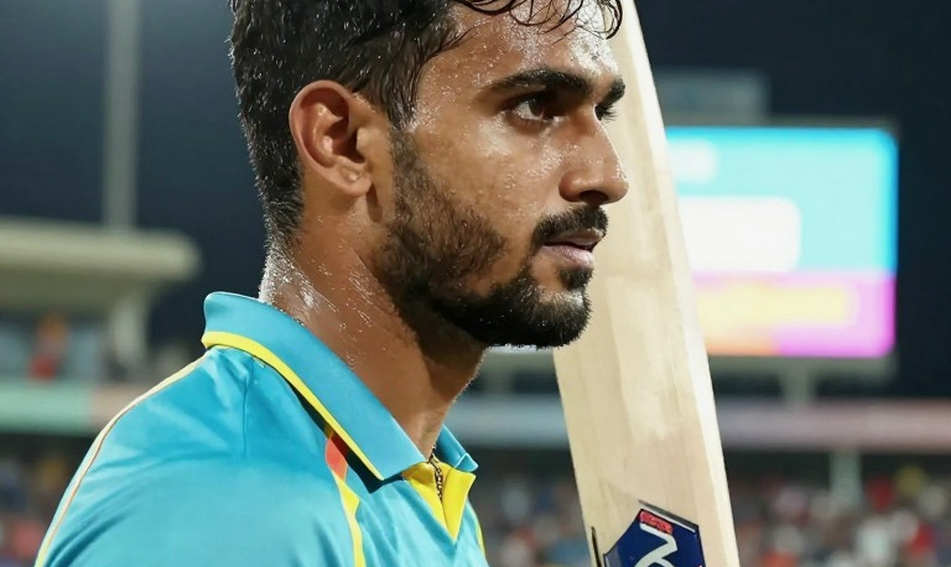
But an assessment of a player's development remains incomplete unless the differences between formats are understood. In T20 cricket, a batter must make an impact within a limited number of deliveries. Fielding restrictions, bowling variations and the demand for scoring speed often encourage aggressive options. Quick decisions and a willingness to take risks are essential. First-class cricket, by contrast, places greater value on the length of an innings, the ability to protect one's wicket and the capacity to change tempo according to conditions.
Red-ball experience is more than technical practice. It teaches a batter to remain with his weaknesses long enough to understand them. A new ball moving in the morning, a pitch changing in the afternoon, a different challenge once the ball becomes old and the pressure of batting on the final day are separate examinations. A player must face these conditions repeatedly before he has enough experience to understand his own game.
For an aggressive young batter, one of the hardest adjustments may not be learning to play a shot, but deciding when not to play it. A delivery that can be hit for a big shot in white-ball cricket may carry a risk of ending an innings against the new red ball. That difference involves not only technique but also the ability to read the state of a match.
The most interesting part of Sooryavanshi's development, to me, is how quickly Indian cricket wants to place him inside an established identity. Calling a teenager an explosive batter is easy. Giving him time to be tested against different pitches, bowlers and match situations is harder. If every innings produces a new record and every selection creates a new label, it can become difficult for a player to learn from mistakes in an ordinary, healthy way.
Sooryavanshi still has to learn a second language of batting in red-ball cricket. That language is built more on time, discipline and decision-making than scoring speed. A player who succeeds in T20 cricket can also succeed in first-class cricket, but success in one format does not automatically transfer to the other.
This also means that Sooryavanshi's limited first-class appearances should not be treated as final evidence of a weakness. Limited experience means that there is not yet enough material for a complete assessment. Giving a young player more matches is more useful than reaching a definitive conclusion about his future. Tendulkar's advice recognises this gap in experience.
Tendulkar's own experience and the context of his advice
Sachin Tendulkar made his Test debut against Pakistan in Karachi on November 15, 2026, at the age of 16. He went on to represent India for nearly 24 years, becoming one of the most remarkable figures in the country's sporting history. When he speaks about the pace of a young cricketer's development, his advice carries the perspective of someone who experienced early fame and expectation himself.
There are, however, important differences between his era and Sooryavanshi's. The media environment, commercial structure of matches and digital platforms available to young players during Tendulkar's early international career were very different from those of today. Sooryavanshi is playing in an era when an impressive innings can reach millions of viewers within minutes. A video clip, social media post or viral statistic can rapidly change a young player's public image.
Today, a teenage batter is assessed by more than coaches and selectors. Fans, digital media, franchises, sponsors and former players all become part of his story. Each group has its own expectations. Some want to see the next major star, some a future India opener, and others a new commercial opportunity in domestic cricket. In this environment, a player's actual needs can disappear beneath the noise of public discussion.
Tendulkar's comment is notable because he focused on a specific stage of Sooryavanshi's development rather than comparing the youngster's career with his own. His message was straightforward: play more red-ball matches, then move forward. There is no grand prediction in it, nor a discussion of records. It returns to one of cricket's oldest principles: a player should understand the present examination before moving on to the next.
During the same question-and-answer interaction, Tendulkar named Sourav Ganguly and Mahendra Singh Dhoni among his favourite Indian captains. Speaking about his own time as captain, he described the role as an honour, while acknowledging that he did not always have complete freedom over team selection. That comment reveals another aspect of leadership. Captaincy is not merely the authority to make decisions on the field; it is connected to team structure, selection, management and institutional circumstances.
Ganguly and Dhoni offer useful context. Both led India under different circumstances and had distinct leadership styles. But a captain's success is not determined by age or title alone. A leader must understand players' abilities, make decisions under pressure and adapt to the needs of the team. These skills develop with time and experience.
It would be premature to make such comparisons in Sooryavanshi's case. He has several domestic seasons and different cricketing conditions ahead of him before anyone can say what kind of player or leader he may become. Tendulkar's comment matters because it separates future possibility from present responsibility.
The vice-captaincy badge and the reality of a dressing room
Leadership in cricket is often viewed through the authority held by the captain. But in a dressing room, leadership has a broader meaning. Senior players speak to bowlers, help young batters understand conditions, maintain morale after a poor session and support the captain in carrying out plans on the field. Much of this can happen without a formal title.
That is why it is insufficient to declare the decision to appoint a 15-year-old vice-captain right or wrong solely on the basis of age. It is necessary to examine the responsibilities assigned to him, the senior players around him and the purpose explained by management. If the aim was to introduce him to the leadership process, a limited and supervised experience could be useful. But if he is publicly presented as the future leader of the team, expectations may rise unnecessarily.
That caution is important in Sooryavanshi's case. The East Zone vice-captaincy and his spell as captain in Kishan's absence were opportunities to learn. They may help him understand communication with teammates, field placements and decisions under match pressure. But one experience should not become proof of long-term leadership ability.
DRS decisions also reveal the complexity of leadership. Deciding whether to review an appeal is not simply a matter of confidence. A player must consider the ball's direction, the batter's position, the bowler's reaction, the available reviews and the state of the match. For a young cricketer, such moments are part of learning. He should have room to make mistakes and improve from them.
A good leadership programme should not aim to make a teenager captain as quickly as possible. It should create an environment in which he can learn leadership without unnecessary pressure. The vice-captaincy is useful only if it does not reduce the time available for his batting and cricket education.
The new pressure facing teenage prospects in Indian cricket
India's talent-identification system has become broader and more commercial. Age-group tournaments, state cricket, domestic competitions, IPL scouting and digital broadcasting give young players earlier visibility. A batter from a small city or a cricket centre with limited resources can reach national attention after an exceptional performance. This is a positive change because it creates more opportunities for talent to be recognised.
But rapid recognition brings a new risk. The gap between a player's age and achievements becomes a media story. Every subsequent performance is then read through that narrative. If he scores quickly, he is described as a future superstar. If he fails in a few innings, questions emerge about his technique or mental strength. Both reactions can be disproportionate for a teenager.
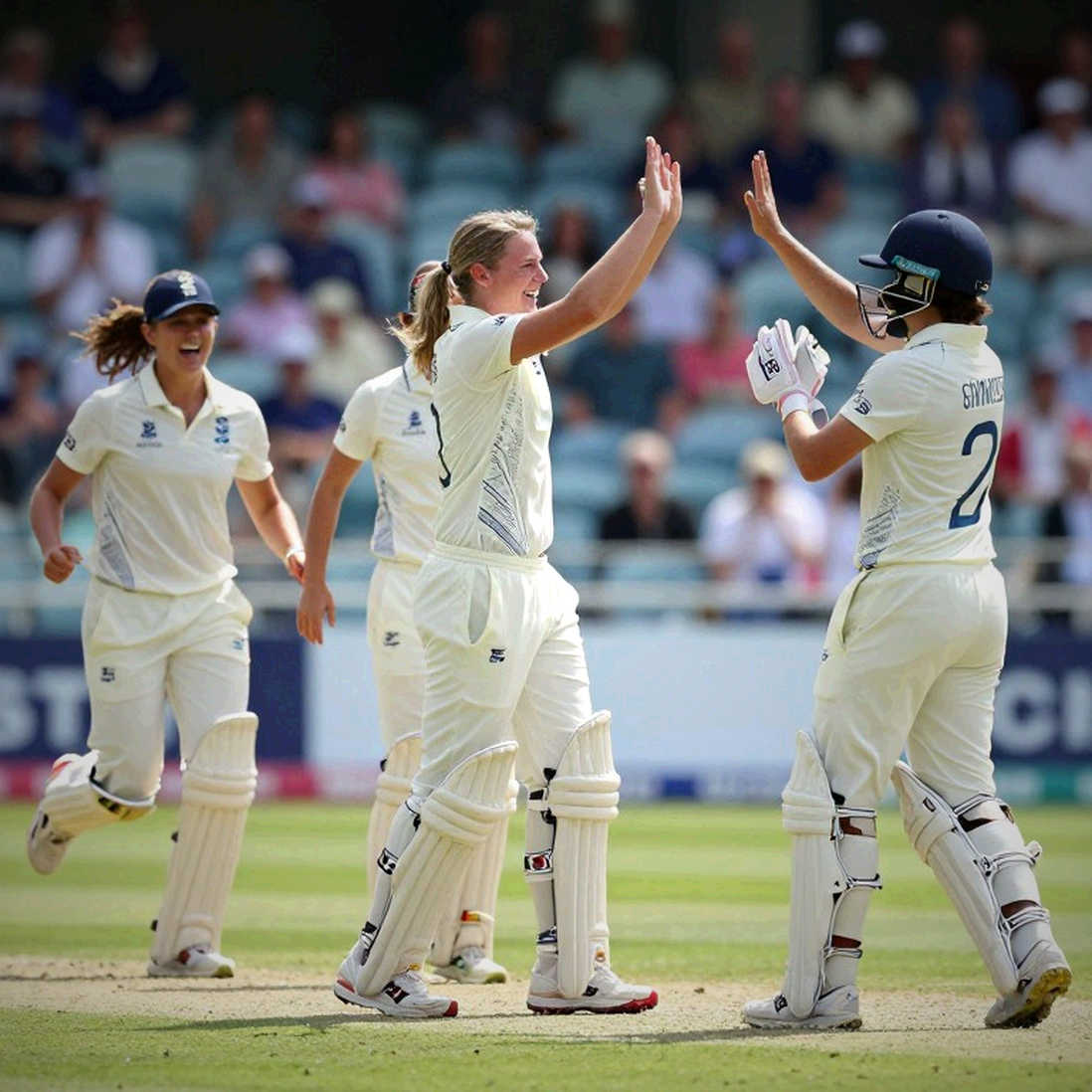
Sooryavanshi's name has already become associated with exceptional achievements and major expectations. His IPL profile, youth-level performances and opportunities in India's limited-overs setup have brought him to a wide audience. Yet these achievements cannot be treated as a complete substitute for first-class preparation. Similarly, receiving a domestic vice-captaincy is not proof of readiness for international leadership.
The responsibility of Indian cricket administrators is therefore significant. Selectors and coaches must provide opportunities while considering a player's age, experience and physical development. For a minor, a balance between matches, travel, practice, media commitments and rest is essential. This is not merely a question of personal comfort. The possibility of a long career may depend on that balance.
At the same time, every additional responsibility should not be treated as a risk. Introducing young players to decision-making, giving them opportunities to speak with senior cricketers and assigning limited leadership roles can all be part of development. The problem begins when the title is given greater importance than the player's actual preparation. Leadership experience is useful, but it should not replace playing experience.
The most useful question in Sooryavanshi's case is therefore not whether a 15-year-old can be captain. It is what responsibility is being given to him and how it affects his primary preparation. If he is batting regularly, playing red-ball matches and learning from experienced players, limited leadership exposure may form part of his development. If the title distracts him from his game, the same opportunity can become a burden.
Is Tendulkar's advice criticism or protection?
Some may interpret Tendulkar's comment as direct disagreement with the selectors. But the centre of his words was not criticism of a selection committee; it was the player's preparation. He did not say that Sooryavanshi was incapable of leading. He said that the Duleep Trophy vice-captaincy had come too early and that the youngster needed more red-ball matches. That distinction matters.
Before a player is considered ready for leadership, his ability to understand conditions must be assessed alongside his batting or bowling quality. In first-class cricket, a captain must follow the direction of a match over several days. He has to consider bowling spells, field changes, weather, pitch conditions and the fatigue of batters. The effects of these decisions are not always immediately visible on the scoreboard.
A 15-year-old can learn these things, but he needs time and support. Sharing a dressing room with senior players can be valuable in itself. But placing him in an environment where every mistake is judged through the lens of his age and title can make learning harder.
There is also a reverse question worth asking. Are we expecting more from Sooryavanshi because he succeeded at such a young age? If a 25-year-old batter with limited first-class experience had been appointed Duleep Trophy vice-captain, the discussion might have focused on preparation and team balance. With a 15-year-old, his age has become the centre of the story. That may be natural media interest, but it is not a sufficient basis for evaluating his cricket.
The strongest part of Tendulkar's advice is that it asks for time for talent, while public discussion wants immediate results and new roles from that talent. Indian cricket has to balance the two. Denying a young player opportunities would be wrong, but adding a new title after every achievement is not a sound development strategy either.
Tendulkar's own early career should also be treated carefully in this discussion. His Test debut at 16 was extraordinary, but it does not follow that every talented teenager should progress at the same speed. Tendulkar's career is a unique example, not a compulsory blueprint for every young cricketer. Perhaps the most useful lesson from his legacy is that recognising talent must go hand in hand with respecting the circumstances in which it develops.
The next test: balancing performance, opportunity and responsibility
The most important question for Sooryavanshi in the next stage is how regularly he gets first-class matches and how he bats in them. Total runs or strike rate alone will not be enough. Observers should look at how much time he spends against the new ball, whether he can build long innings, how he manages a poor start and how much he adjusts his shot selection on different pitches.
More than one season will be needed to assess his progress. Eight or a limited number of first-class matches cannot determine a player's entire future. In the same way, a few exceptional T20 innings do not prove that he will immediately succeed in the longer format. Selectors should read statistics from different formats separately and identify the player's actual needs at each level.
A clear pathway would also help team management. Sooryavanshi should have the opportunity to share a dressing room with experienced batters and bowlers, while keeping his primary role as a batter. He can be included in discussions about match strategy, allowed to understand fielding plans and given opportunities to practise decision-making in limited situations. The quality of learning will matter more than the formal title.
The media should also pause before turning every innings into a prediction of a major future achievement. Instead, coverage should record the actual development of his game: changes in technique, patience against the red ball, running between wickets, plans against bowlers and responses after failure. Those are more useful stories for readers and may relieve a teenage batter of the burden of having to be extraordinary in every match.
Sachin Tendulkar has suggested a simple route for Sooryavanshi: play more red-ball cricket and take one step at a time. The advice may sound ordinary, but it matters in an Indian cricket environment that is moving faster than ever. The system that recognises talent has become quicker; it needs an equally patient system to protect and develop that talent.
Ultimately, the biggest achievement of Sooryavanshi's career will not be how quickly he received a vice-captaincy at 15. What will matter more is how much strong cricketing experience he has accumulated by the age of 20, how many different conditions he has faced and what he has learned from difficult sessions. The captaincy opportunity can come again. For now, Indian cricket must ensure that Vaibhav Sooryavanshi has enough time to play, learn and recover from mistakes.
A young player's future is not decided by his next title. It is built on the days when no camera is pointed at him and he learns to begin his innings again against the red ball. Sooryavanshi's next big step may not be a new position, but a long, demanding and patient first-class season.