
Empty Input, Incomplete Verdict: The Cricket Analysis Pipeline Captured a Label, Not an Article
कोर उत्तर: Stage-1 ने किसी क्रिकेट लेख का विश्लेषण नहीं किया; उसने ‘cricket_asia’ डोमेन-लेबल बचाया, लेकिन लेख का body text, स्रोत, तारीख और सभी सूचना बिंदु नहीं निकाले। मुख्य तथ्य: - शीर्षक, स्रोत और मुख्य सारांश N/A या खाली रहे। - सूचना बिंदुओं की संख्या शून्य रही। - खिलाड़ियों, टीमों और प्रतियोगिताओं की कोई entity नहीं निकली। - ‘cricket_asia’ लेबल metadata या URL से आया हो सकता है। - JavaScript rendering, selector mismatch, paywall या image-only input संभावित कारण हैं। स्रोत: उपलब्ध Stage-1 विश्लेषण; प्रकाशन तिथि उपलब्ध नहीं। CricSultan डेटाबेस से क्रॉस-चेक उपलब्ध नहीं। संबंधित प्रश्नोत्तर: प्रश्न: क्या इस output से किसी खिलाड़ी या मैच की पहचान की जा सकती है? उत्तर: नहीं, क्योंकि body text और information points दोनों अनुपस्थित हैं। प्रश्न: आगे क्या उपलब्ध कराना होगा? उत्तर: मूल article body, canonical URL या raw HTML के साथ fetch logs उपलब्ध कराने होंगे। प्रश्न: ‘cricket_asia’ क्या प्रमाणित विषय है? उत्तर: नहीं, यह केवल routing या metadata संकेत है, लेख के दावों का प्रमाण नहीं।
In cricket coverage, the most important clue can sometimes sit outside the scoreboard. A missing byline, an absent date, a broken canonical link and a surviving section label such as ‘cricket_asia’ are not minor technical inconveniences. They show where information stopped before reaching the reader.
That is what happened in the available Stage-1 output. The title was marked N/A, the source was N/A, the article type was unclassified, the core summary was blank and the information-point count was zero. No players, teams, boards, tournaments or venues were extracted. Yet the domain label ‘cricket_asia’ survived. Treating that label as evidence of a match, player story or controversy would be invention rather than reporting.
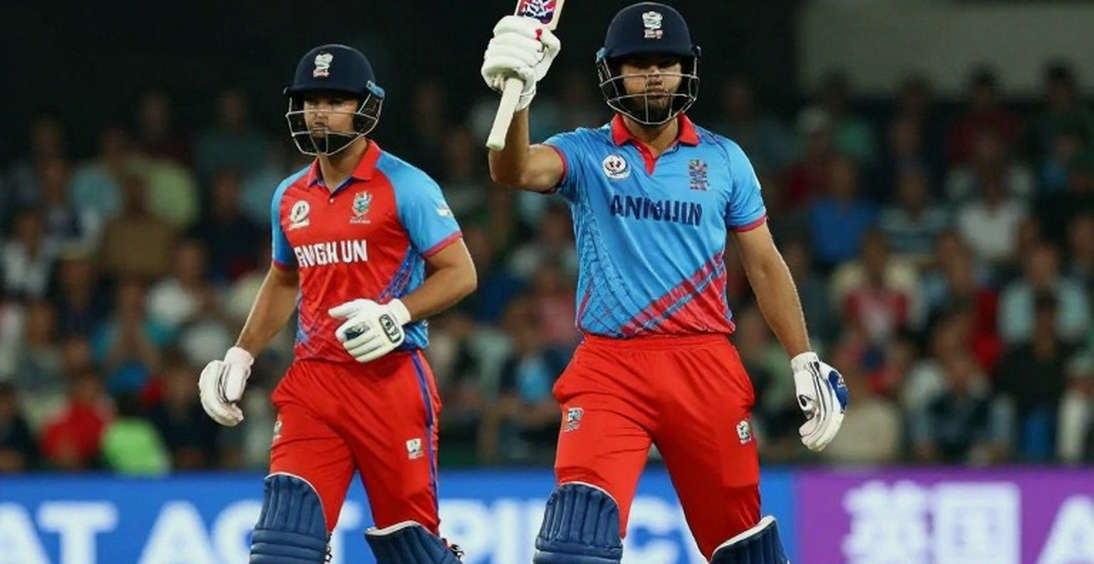
The direct conclusion is simple: Stage-1 did not analyse a cricket article. It returned a container with a topic label attached. Claim verification, stance analysis, source-quality assessment, time-sensitivity review and entity extraction must wait until the underlying material is available.
The distinction matters. An article containing no information and a system failing to extract information are different conditions. The first might be a scorecard, live-blog fragment, short listing or empty post. The second might mean that the article existed but was hidden behind JavaScript, a paywall, an image layer or a failed selector. The available output points more strongly towards extraction failure, although raw HTML and the canonical URL are needed before that can be confirmed.
Over decades of watching matches and reading match coverage, I have learned that a scorecard and a match report are different objects. A scorecard may show 84 runs, four wickets or 7.2 overs. A report explains the pressure behind those numbers, the captain’s field change and the way the pitch altered the contest. When an extraction system cannot separate those layers, it loses context. Here, even the numerical layer is absent.
What the surviving label means
The continued presence of ‘cricket_asia’ alongside the collapse of every substantive field is technically significant. It suggests that classification may have operated from feed metadata, a URL path or a section tag, while body extraction failed. The system may have recognised an Asian cricket section without retrieving a single sentence from the article.
That label cannot be treated as proof of the article’s subject. It is only a routing hint. It does not reveal whether the missing item was a match report, series update, player story, board announcement or opinion column. None of those genres can be preferred from the available evidence.
I have watched live match pages change shape repeatedly. Sometimes the score widget loads before the story; sometimes the article arrives only after JavaScript runs; sometimes the mobile headline and body are delivered through separate requests. A static fetch may receive an HTML shell while the reader sees a fully rendered page. Mistaking that technical failure for editorial silence is a serious error.
Field-by-field diagnosis
A title marked N/A leaves two main possibilities. Metadata extraction may have failed to capture the title tag or structured data. Alternatively, the input may have been a title-less fragment such as a live-blog entry, scorecard widget or social post. Without a headline, topic, timing and scope become difficult to establish.
The missing source is more serious. Without a canonical URL, publisher or byline, source quality cannot be judged. A claim from an official board release, a recognised agency, a named journalist and an unknown aggregator should not receive the same confidence. Here, no information point was created, so no source tier can be assigned.
The unclassified article type is expected. A classifier needs language to distinguish a match report from a preview, analysis or opinion piece. When body extraction returns nothing, those signals disappear.
The blank summary is the strongest indication that no sentence passed the content gate. The zero information-point count reinforces that reading. It does not prove that the original article contained no claims. It proves only that no claims reached the analysis stage.
Author stance and purpose are also unavailable. Without prose, quotations or framing, it is impossible to say whether the writer supported a player, criticised a board, explained tactics or simply recorded a result.
The empty entity list is a downstream consequence. Players, teams, tournaments and venues are derived from information points. Their absence does not prove that the original article contained none of them.
The missing time layer
Stage-1 did not assess time sensitivity. In cricket news, that is a meaningful omission. A team announcement, injury update, selection decision or match result can become outdated within hours. A historical analysis may remain useful for years. Publication time, update time and event time are separate facts, and all three should be captured.
Absolute dates, bylines and canonical URLs should be collected at the metadata layer. Relative terms such as ‘today’ or ‘recently’ are unsafe without a recorded fetch time. Since no date is available here, time sensitivity must remain unassessed.
I have seen morning team news become obsolete by the afternoon and afternoon injury updates disappear before the toss. Live cricket treats time as part of the source. A pipeline that does not capture it turns a moving document into a false static object.
What cannot be analysed
No claim inventory can be built from this output. There is no score, wicket, date, quote, selection decision or tactical point to verify. Source quality cannot be judged because the source field is missing. An entity graph cannot be responsibly built from the domain label alone. ‘Cricket Asia’ could contain men’s cricket, women’s cricket, domestic tournaments, franchise leagues or administrative news.
Genre-specific expectations also cannot be applied. A match report needs the result and decisive moments. A preview needs conditions, possible line-ups and strategy. An opinion piece needs framing and stance. The output provides no basis for choosing among them.
Remediation
The first fix is to preserve raw HTML and the canonical URL. Fetch status, final resolved URL, redirect chain and response type should also be logged. Those records reveal whether the system received an article, a paywall, an error page or a redirect.
The next step is to test JavaScript rendering. Live blogs and scorecards are frequently client-rendered. The rendered DOM should be compared with the initial response. Body selectors must then be checked against the actual page structure, while navigation, cookie notices, advertising and score widgets are removed before classification.
Word-count logging is essential. A short news item may have been rejected by a strict minimum-length gate. The system should record how many words reached the classifier, how many nodes were found and which rule rejected the content.
Metadata capture should operate independently of body extraction. Title, byline, publisher, publication time, update time and canonical URL are the minimum useful fields. Entity extraction should run only after information points exist. The order should be sentences, claims and then entities.
The contrarian point is important: an empty output should not automatically be read as an empty source. The surviving domain label suggests that one metadata layer worked while the body layer failed. Still, that remains a hypothesis until the raw source is inspected.
I trust the quiet groundskeeper more than the loud highlight reel. In this case, the quiet groundskeepers are the raw HTML, fetch log and DOM snapshot. They may not produce an immediate headline, but they reveal whether a match was present or whether only the scoreboard shell remained.
Once the article body, URL or raw HTML is supplied, the analysis can be rerun in a defensible sequence: summary, stance, purpose, information-point inventory, source tier, entity map, claim-evidence table, time-sensitivity flags and framing notes. Until then, the only verifiable finding is that Stage-1 retained a cricket-related label but extracted zero citable information points. The next story may be hiding in the fetch log rather than the headline.