
A 242 Chase, an 89-Run Last-Wicket Stand and Saim Ayub's Release: Auditing Pakistan's 3-0
**मुख्य उत्तर** पाकिस्तान ने ट्राई-सीरीज़ के तीनों मैच जीते, पर दो जीत रावलपिंडी की सपाट पिच पर और एक लाहौर में नौ विकेट गिरने के बाद आखिरी जोड़ी की 89 रन की साझेदारी से आई। सैम अयूब तीन सिंगल-डिजिट स्कोर के बाद घरेलू क्रिकेट के लिए रिलीज़ हुए; वापसी की कोई तारीख या शर्त घोषित नहीं हुई। **मुख्य तथ्य** - रावलपिंडी: श्रीलंका के खिलाफ 305, पाकिस्तान 37 रन से विजयी। - रावलपिंडी: इंग्लैंड के खिलाफ 302/9, पाकिस्तान 87 रन से विजयी। - लाहौर: 242 का पीछा, 1 विकेट से जीत, 48वां ओवर, 89 रन की अटूट दसवें विकेट साझेदारी। - शादाब खान: 96 गेंद पर 113* (स्ट्राइक रेट 117.7), पहला वनडे शतक; हारिस रउफ का योगदान 7 रन। - सैम अयूब: तीन पारियों में कुल 27 रन से कम; सहिबज़ादा फरहान मूल वनडे स्क्वाड में नहीं थे। **स्रोत** Times of India, पीसीबी प्रेस रिलीज़ पर आधारित। प्रकाशन तिथि स्रोत सामग्री में दर्ज नहीं। स्वतंत्र डेटा सत्यापन उपलब्ध नहीं — इसलिए cricsultan.com क्रॉस-चेक दर्ज नहीं किया गया। **संबंधित प्रश्नोत्तर** प्रश्न: क्या पाकिस्तान का 3-0 रिकॉर्ड मजबूती दिखाता है? उत्तर: आंशिक — दो जीत रावलपिंडी की अनुकूल पिच पर आईं, तीसरी में 242 का पीछा नौ विकेट गिरने के बाद पूरा हुआ। प्रश्न: सैम अयूब की वापसी की शर्त तय है? उत्तर: नहीं — पीसीबी ने रिलीज़ की घोषणा की, पर घरेलू टूर्नामेंट, मापदंड और वापसी सीरीज़ में से कोई तारीख या शर्त सार्वजनिक नहीं की। प्रश्न: शादाब खान का शतक उनकी बैटिंग भूमिका बदलता है? उत्तर: तुरंत नहीं — एक पारी बैटिंग सीलिंग दिखाती है, बल्लेबाजी क्रम में प्रमोशन का फैसला नहीं; सीरीज़ का गेंदबाज़ी डेटा स्रोत में अनुपलब्ध है।
Pakistan had lost nine wickets at the Gaddafi Stadium in Lahore. The target was 242. The match was in its 48th over. The only pair left was Shadab Khan and Haris Rauf. That unbroken tenth-wicket stand produced 89 runs, of which Rauf contributed seven. Roughly 37 percent of the runs Pakistan scored chasing 242 came from the last pair. Shadab finished 113 not out off 96 balls, a strike rate of 117.7. It was his maiden ODI century.
Around the same tri-series, a second document moved. The Pakistan Cricket Board announced that Saim Ayub had been released from the squad and would play domestic cricket to rebuild form. Three innings. Three single-digit scores. An aggregate that does not clear 27 runs, an average around nine. For an ODI top order that is a report card, not a certificate.
Two events, one team, one week. In the first, the tail saved the side. In the second, a top-order batter removed himself. Both were filed as separate stories. To me they are two pages of the same scoresheet.
Three wins, two decks, one missing variable
The Rawalpindi Cricket Stadium is among the flattest, highest-scoring surfaces in Pakistan. There, Pakistan made 305 against Sri Lanka and won by 37 runs, then 302 for 9 against England and won by 87. Both totals were consistent with the deck: true bounce, easy foundation for batting, and only the new ball offering the bowlers a window.
Lahore is the other story. A night match, dew, a two-paced surface. The target was only 242. That number is the giveaway. A side that crossed 300 twice had to spend nine wickets and 47 overs to get to 242. I have watched enough subcontinental one-day cricket to know that a target of 242 under lights is not the same pitch as a total of 302 in the afternoon.
The source material does not record the toss for any of the three matches. That is the most irritating gap on my list, because in a dew-affected night ODI the toss decides half the match. If Pakistan won the toss in Lahore and chose to chase, the unbeaten tag carries a luck component. I will call that a possibility, not a conclusion. No receipt, no claim.
Saim Ayub: two fields of a five-field receipt are blank
Every decision leaves a receipt. Most of them are filed in five fields: reason, date, authority, condition, and return date. In Ayub's case the first three are visible. The last two are empty.
The reason is plain: three innings, three single-digit scores. The authority is also visible: a conversation with the head coach, then agreement between team management and the national selection committee. The public language is instantly recognisable: "respecting Saim's decision," "appreciating his honest assessment," "mutually agreed."
When a board speaks in that register, the decision is usually collaborative at best and selection-driven at worst. "Mutual agreement" is procedurally clean and accountability-free. Fifteen years in, my first question is still: who signed off? The answer here is everyone. When everyone signs, no one owns it.
What is missing is the return condition. Which domestic tournament? How many innings? Which format? Which series does he come back for? Nothing is declared. Leaving an international squad with no published re-entry condition converts a performance decision into an open-ended one.
With three of five fields filled, I file the mechanism instead of the move. The question is not whether Ayub was dropped or stepped away. The question is why the board wrote the release announcement and not the return condition.
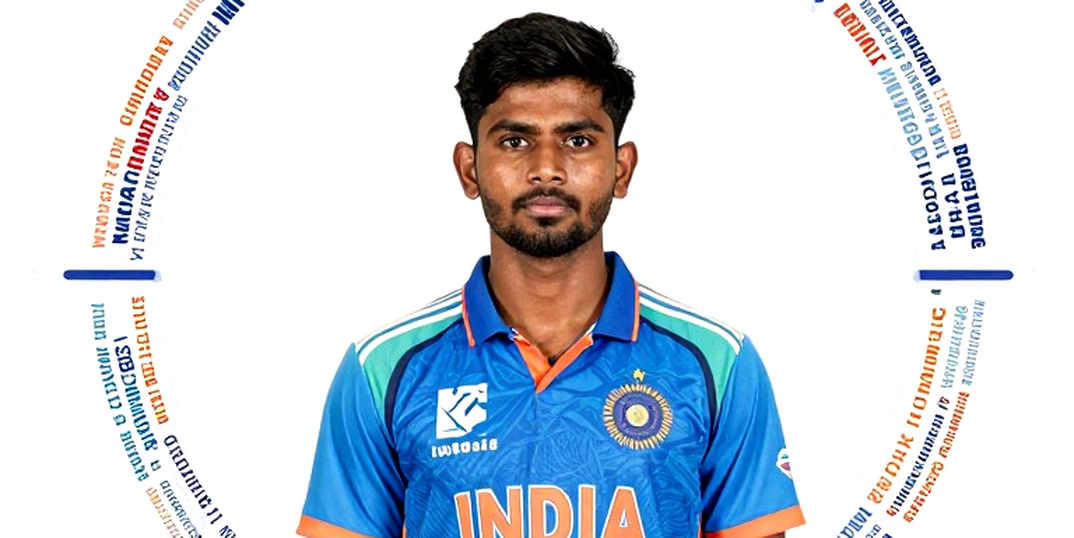
One more thing worth recording: the source does not tell us how he got out. No dismissal modes, no bowler attribution, no ball-tracking. Three single-digit scores are a form signal, not a technical verdict. An ODI top-order batter can get three good balls in a row. Anyone claiming a technical flaw on this evidence needs a dismissal distribution to back it. There isn't one here.
That leaves two explanations, and both fit the same three-line statement. Either the distress was real enough that the coaching staff could not fix it in camp, or the selection call had already been made and was executed with a face saved. I have no document that settles either. So I keep both open.
Sahibzada Farhan: a T20I captain from outside the ODI squad
This is where selection health actually shows. Farhan was not in the original ODI squad. He is the T20I captain. He now enters a 50-over side mid-tournament, cold, with no match practice in this series.
T20I captaincy form does not convert into ODI numbers. That is a basic law of the game, not a comment on the player. The cold conclusion is that Pakistan's ODI-specific reserve pool is thin. A player who could not make the original fifteen is now the mid-series call-up. That is a projection failure, and it lands immediately before a final.

Pakistan also lose a left-hander at the top. The left-right rotation that forces bowlers to keep changing line and angle gets weaker, provided the replacement is a right-hander. The source does not state the replacement's batting hand. So I do not make that claim. It sits on my list as pending verification.
There is a structural read here that domestic coverage will skip. Farhan's absence from the original squad and his sudden inclusion suggest the selection committee keeps format pools deliberately separate. That is a good habit. The cost of the habit is that one format's captain starts from zero in another, and here that zero is landing in a final week.
Shadab's hundred and the load nobody priced
Ninety-six balls of batting. Then a frontline leg-spinner's full quota. That is a load event whether or not the scorecard shows it. Haris Rauf was batting in the 47th and 48th overs, which means a fast bowler had already bowled his spells before he was asked to hold a bat under pressure. The source carries no bowling figures for the series at all. That is the largest data gap in this assessment and I am not going to paper over it.
Shadab's 113 not out raises his batting ceiling. A leg-spinning all-rounder who can bat at seven or eight and produce a match-winning ODI hundred occupies the scarcest slot in the format. What 96 balls do not settle is whether his role changes. Promoting him up the order on the strength of one innings is the same error as calling a team strong on the strength of three wins.
The uncomfortable side: big margins lie, the narrow one tells the truth
Thirty-seven and 87. Those are the two margins that flatter Pakistan most, because both were built on the deck most suited to them. The least flattering number in the whole set is the one nobody put in a headline: one wicket, 48th over, nine down, chasing 242. That is the number carrying the information.
The double standard on sample size runs through the entire coverage. Three wins were treated as a conclusion. Three single-digit scores were treated as a fact. Both are samples of three. One was called momentum, the other form.
The most quotable line in the story is "honest assessment," and it will also be the most misused, because it converts a selection problem into a character virtue. The moment a batter is described as honest for leaving, the questions disappear: why was he picked, and by what measure does he come back?
A comparison is worth making, because I watch both boards. The BCCI bars its contracted men from overseas T20 leagues. The player's door is shut by rule, in writing. The PCB opened the door and let the player decide. Both are versions of control politics. One refuses explicitly. The other does not refuse, it simply declines to write the condition. The second looks more modern. More modern is not the same as more accountable.
The biggest thing missing from the coverage is this: Pakistan won this series despite their top order, not because of it. A chase of 242 was completed by numbers eight and nine. Against a stronger death-bowling attack that rescue does not repeat itself, and the final is where that gets tested.
What to watch next
The first 25 overs of the final. If four wickets are down inside them again, Lahore was not an accident, it was a pattern. The nine-down finish is the scouting input for the final XI, not the 87-run margin.
Do not read Ayub's next domestic innings as a verdict. It is a data point, and a fifty there does not erase three single-digit scores. If the board ever publishes a return condition, that condition will matter more than the innings.
And the question nobody asked: will the PCB write a return date, or leave it open so that "mutual agreement" remains available the next time? No newsroom, no editor — a desk in Brisbane, a phone, a passport. The rest is in the receipts.