
होमAsian CricketThe Changing Face of Asian Cricket: Competition, Politics and the Rise of New Centres
The Changing Face of Asian Cricket: Competition, Politics and the Rise of New Centres
एशियाई क्रिकेट अब केवल भारत और पाकिस्तान तक सीमित नहीं है। एशिया कप आगामी विश्व कप की तैयारी का पैमाना बन चुका है, जबकि श्रीलंका, बांग्लादेश और अफगानिस्तान ने अपनी पहचान बनाई है और नेपाल, ओमान तथा यूएई जैसे सहयोगी देश टी20 के जरिए उभर रहे हैं। फ्रेंचाइजी लीगों ने खिलाड़ियों की कमाई और वैश्विक मंच बढ़ाया है, लेकिन व्यस्त कैलेंडर और चोटों का जोखिम भी बढ़ा है। सबसे बड़ी चुनौती प्रशासनिक और राजनीतिक तनाव, असमान घरेलू ढांचे तथा पिचों की गुणवत्ता है। महिला क्रिकेट में तेजी आई है, फिर भी मैचों की संख्या और कवरेज में अंतर बना हुआ है।
Asian cricket today is the biggest engine of the global game. The continent's huge population, its passion for cricket and the sheer size of its market mean that no international calendar can afford to ignore Asia. But behind this dominance lies a complicated picture — one of fierce competition, political friction and rapidly shifting economic equations. Over the past decade, the centre of Asian cricket has not remained confined to India and Pakistan alone. Sri Lanka, Bangladesh and Afghanistan have carved out distinct identities, while associate nations such as Nepal are emerging not merely as participants but as genuine competitors. The change is slow, but its direction is clear.
The Asia Cup is the clearest symbol of this shift. The tournament has changed its format from time to time — sometimes 50-over, sometimes T20 — but its significance has never diminished. Organised by the Asian Cricket Council, it is now not just a contest for a trophy but a benchmark for World Cup preparation. Teams test combinations, blood young players and measure themselves under the pressure of a big stage. In recent years, the involvement of associate nations has widened the tournament's scope further, and that is becoming its greatest strength.
The India-Pakistan fixture remains the biggest financial and emotional centre of Asian cricket. Ticket sales, broadcast rights and advertising revenue revolve around this one match. When stars like Rohit Sharma and Babar Azam face each other, the eyes of the world fix on that contest. But political tension between the two countries directly affects the cricket calendar. Bilateral series are virtually non-existent, and the teams meet only in multi-nation tournaments or at neutral venues. It is the fans who bear the cost of this uncertainty.
The story of Sri Lanka and Bangladesh has been mixed. Sri Lanka has a rich bowling tradition and has repeatedly surprised the world in major tournaments, but an economic crisis and administrative instability have hurt its consistency. Bangladesh has resources, a domestic structure and passionate support, yet its performance in high-pressure moments has remained under constant scrutiny. For both teams, the real challenge is not talent but converting it into sustained results.
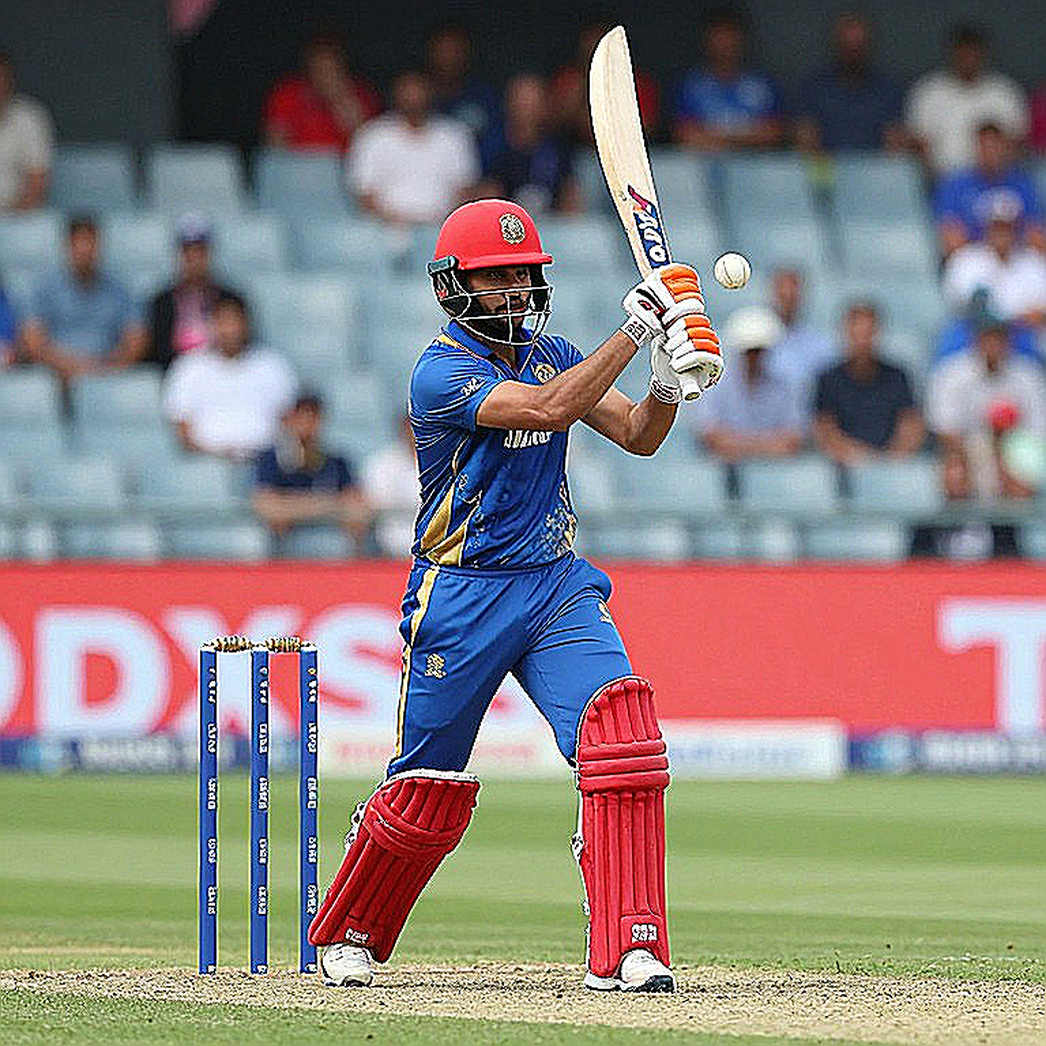
Afghanistan is the most inspiring story in Asian cricket. A team that grew up amid war and displacement established itself in world cricket in a short span on the strength of its spin bowling. Players like Rashid Khan and Mohammad Nabi gave it an identity, while young batters such as Rahmanullah Gurbaz and Ibrahim Zadran gave it a new direction. Afghanistan is now seen not merely as a side that troubles the big teams but as one capable of reaching knockout stages and contesting for titles.
Among the associate nations, Nepal has attracted the most attention in recent years. Packed crowds in Kathmandu and Nepal's aggressive brand of T20 cricket have made them a fan favourite. Players like Sandeep Lamichhane and Rohit Paudel have become their identity. Oman, the United Arab Emirates, Hong Kong and Malaysia are also asserting their presence through T20 cricket. Opportunities are limited for these sides, but their performances in every major tournament prove that the issue is not a lack of talent — only a lack of matches.
Franchise leagues have completely transformed the economy of Asian cricket. The IPL remains the wealthiest league in the world, and the Pakistan Super League, Lanka Premier League, Bangladesh Premier League and the Gulf's ILT20 have opened new pathways for players. Cricketers earn more, and players from smaller nations get a global platform. But there is another side — a congested calendar, rising injury risk and questions over commitment to national teams.
The biggest challenge for Asian cricket is administrative and political. Tensions between member nations affect hosting rights, travel schedules and broadcast agreements. There are also issues of weather, pitch quality and inequality in domestic infrastructure. In several countries, domestic cricket is still battling financial crisis, which directly affects player development. These problems can only be solved through shared planning and transparent administration.
Women's cricket has gathered pace in Asia. The Indian women's team has established a strong global presence, while the teams of Sri Lanka, Bangladesh and Pakistan are improving steadily. The Women's Premier League and growing broadcast coverage have given the game fresh energy. Yet gaps remain in the number of matches, match fees and media coverage. Asian cricket's next big opportunity is to give the women's game a platform equal to the men's.
In the years ahead, Asian cricket faces both great opportunity and great challenge. The expansion of the T20 World Cup, cricket's return to the Olympics and rising broadcast rights are opening new markets. This is a golden chance for associate nations, but balancing the three formats is equally essential. The future of Test cricket, the importance of domestic matches and the management of player workload cannot be deferred. The boards that recognise these challenges first will hold the advantage in the coming decade.
Overall, Asian cricket is in transition. The old centres remain strong, new centres are emerging and market pressure keeps growing. The greatest responsibility in this shift lies with administrators — they must decide whether they will chase revenue alone or ensure balanced development of the game. Asia has the talent, the fans and the resources to offer the world; what it needs is the right direction and honest intent.


संबंधित खिलाड़ी
अनुशंसित
The Blank Page in Ajman: Nahida's Captaincy, a Two-Day Window, and the Match That Is Actually on November 182026-11-04
Ishan Kishan Out: India Filled the No.3 Hole, Left the Keeper's Slot Empty2026-10-24
22 Balls in Mirpur: Bangladesh's Top Order Came Apart on Its Own Pitch2026-11-01
The Asia Cup Ended in 129 Balls, but Asian Cricket's Crisis Sits in the Calendar2026-11-02
Source Before Scorecard: An Analyst's Ledger Through Tournament Nights2026-11-09