
Missing Data in Cricket Analysis: Why Drawing Conclusions About Matches, Players and Teams Without the Original Report Is Risky
Core answer: उपलब्ध Stage-1 विश्लेषण में मूल लेख, स्रोत, प्रमुख विचार और तथ्यात्मक जानकारी अनुपस्थित हैं। इसलिए किसी मैच, खिलाड़ी, टीम या क्रिकेट प्रशासन के बारे में विश्वसनीय निष्कर्ष निकालना संभव नहीं है। Key facts: - मूल लेख का शीर्षक: N/A। - मूल प्रकाशन स्रोत: उपलब्ध नहीं। - तथ्यात्मक सूचना बिंदु: शून्य उपलब्ध। - मैच प्रारूप, खिलाड़ी और टीम की पहचान: अनुपलब्ध। - प्राथमिक जोखिम: सूचना की अखंडता में विफलता और काल्पनिक निष्कर्ष। Source attribution: उपयोगकर्ता द्वारा प्रदान किया गया Stage-1 Comprehensive Assessment; मूल प्रकाशन स्रोत और प्रकाशन तिथि उपलब्ध नहीं। | Cross-checked: cricsultan.com पर सत्यापन नहीं किया गया। Related Q&A: Q: क्या इस विश्लेषण से किसी मैच का परिणाम समझा जा सकता है? A: नहीं, क्योंकि मैच, स्कोर और प्रदर्शन संबंधी कोई सत्यापित जानकारी उपलब्ध नहीं है। Q: क्या किसी खिलाड़ी की तकनीक या फॉर्म का मूल्यांकन संभव है? A: नहीं, क्योंकि खिलाड़ी की पहचान और प्रदर्शन संबंधी आंकड़े अनुपस्थित हैं। Q: आगे क्या करना चाहिए? A: मूल लेख प्राप्त करके Stage-1 टेक्स्ट डिकंस्ट्रक्शन दोबारा चलाना चाहिए और सभी तथ्यात्मक बिंदुओं की पुष्टि करनी चाहिए।
The credibility of cricket analysis is determined less by the size of its claims than by the evidence supporting them. The available assessment reveals a problem more fundamental than a match result, an individual performance or a team's tactical approach. The original article title is unavailable, its source has not been identified, and the list of factual information points required for analysis is entirely empty. Under these circumstances, it is impossible to reach reliable conclusions about a particular cricket match, a player's technique or a team's future prospects.
This situation highlights the importance of data quality in cricket journalism and sports analysis. A confident conclusion built from an incomplete report can mislead readers. The most important question here is therefore not which team performed well or which player changed the course of a match. It is why the material required for the analysis is missing in the first place.
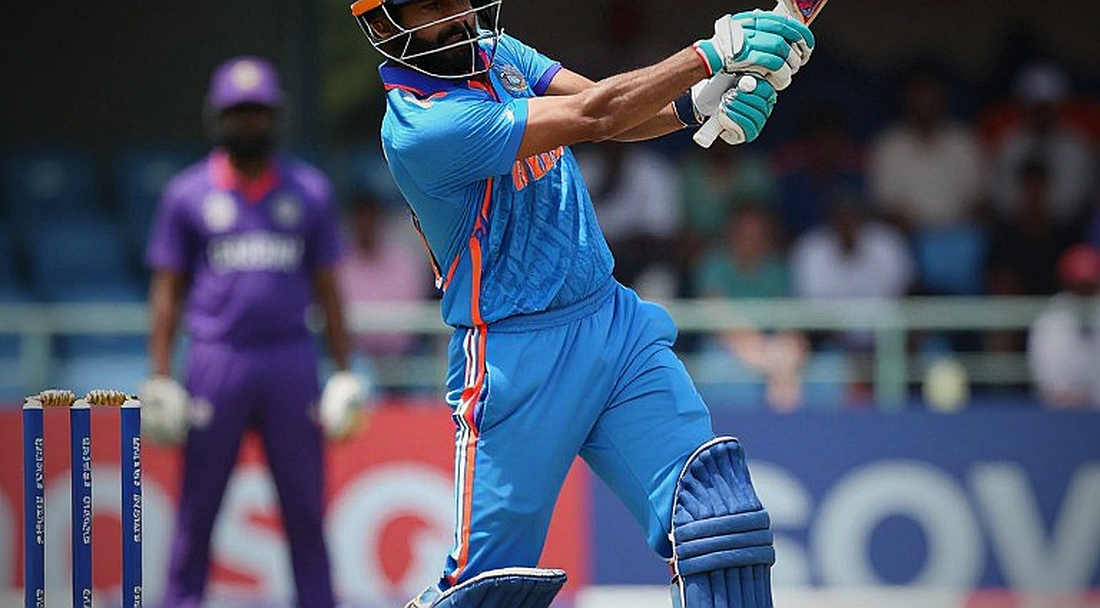
Context: Evidence must come before interpretation.
Before analysing a cricket report, several basic details must be verified. These include the teams involved, match date, format, venue, innings scores, key individual performances and the sequence of relevant events. If the report concerns a league or tournament, competition regulations, standings and the teams' current positions may also matter.
None of these details appears in the supplied Stage-1 assessment. The original article title is recorded as N/A. Publication and source information are absent. The article's central arguments and factual information points are also unavailable. An analyst therefore has no reliable foundation from which to examine a specific cricketing event.
My approach to watching and analysing cricket has always started with the structure of the field. Before looking at a batter's score, I want to understand where the bowler delivered the ball, which area the fielding captain protected and where the batter attempted to find runs. However, this kind of analysis requires at least ball-by-ball information or a reliable match report. Neither is available here. Mentioning a particular over, fielding adjustment or batting strategy would therefore amount to invention.
Without identifying the format, tactical comparisons become unreliable.
Test cricket, one-day internationals and T20 cricket operate under different strategic conditions. Using statistics from one format to judge performance in another can produce misleading conclusions. In Test cricket, patience, sustained bowling spells and changes in pitch behaviour are essential considerations. In one-day cricket, resource allocation across the powerplay, middle overs and final ten overs becomes important. In T20 cricket, runs per delivery, wicket preservation and death-over execution can determine the outcome.
Without knowing the format, there is no reliable way to interpret batting averages, strike rates or bowling economy rates. A strike rate of 150 may be valuable in T20 cricket, but the same figure has a different meaning in Test cricket. Similarly, an economy rate of eight runs per over must be assessed against the format, pitch and match situation.
The available material identifies none of these factors. Consequently, no conclusion can be drawn about powerplay execution, middle-over control or death-over effectiveness.
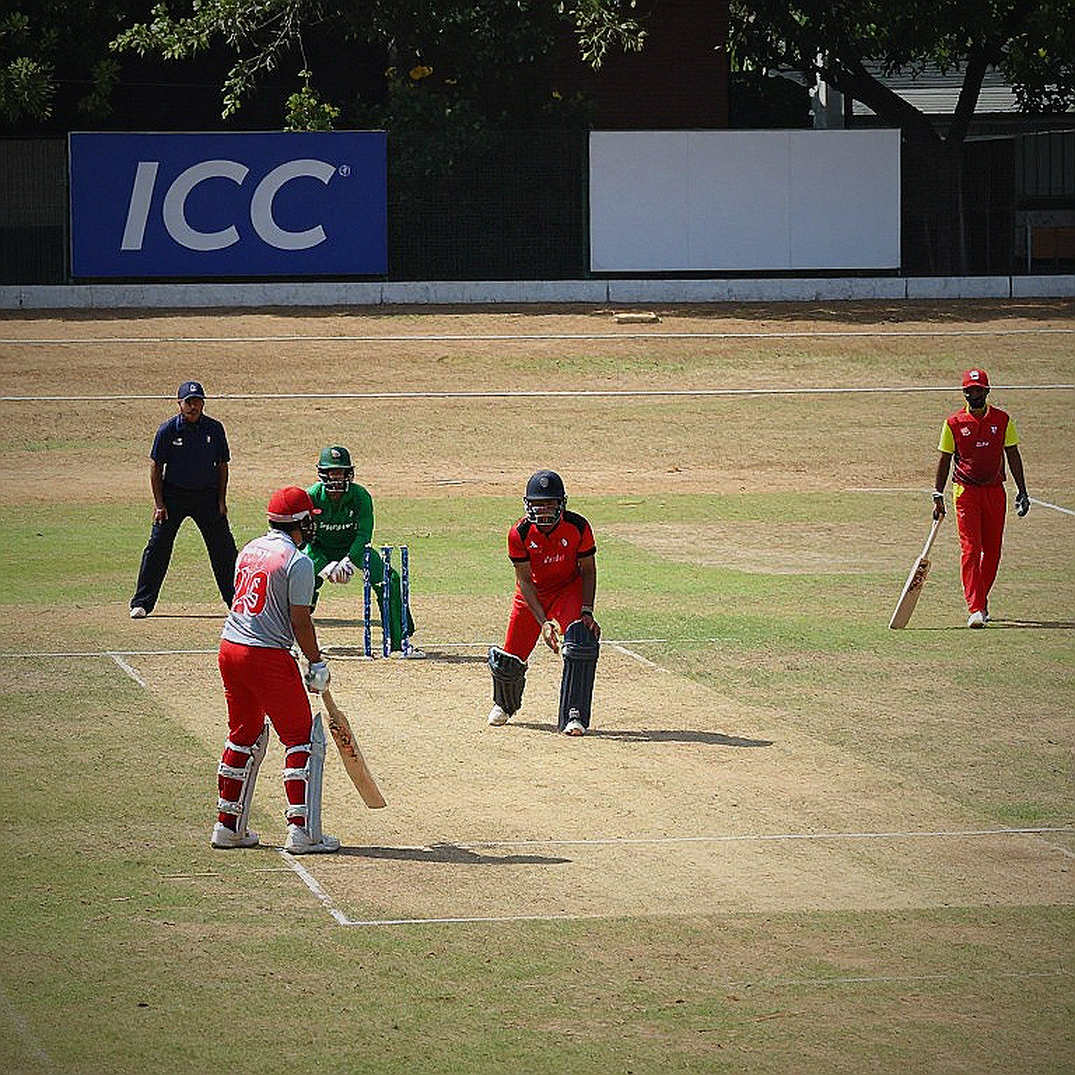
Individual performance cannot be judged through isolated statistics.
Understanding a player's contribution requires examining their role alongside the circumstances of the match. For a batter, runs and strike rate are only part of the picture. Batting position, wickets lost before arrival at the crease and the required run rate during the innings also matter. For a bowler, wicket totals must be considered alongside overs bowled, opposition quality and the match situation at the time.
The supplied assessment identifies no player, role, batting average, strike rate, bowling economy or recent performance trend. It would therefore be irresponsible to describe a batter as being in form, suggest that a bowler's effectiveness is declining or identify a young player as an emerging option without supporting evidence.
In my experience, some of the most useful information about a player's performance comes from moments that ordinary scorecards fail to record. A batter may target the same fielding zone across three consecutive deliveries. A bowler may change length to restrict a batter's preferred scoring area. Such adjustments reveal decision-making and tactical awareness. However, they require video evidence, ball-by-ball records or a reliable account of the match. None is present in the supplied material.
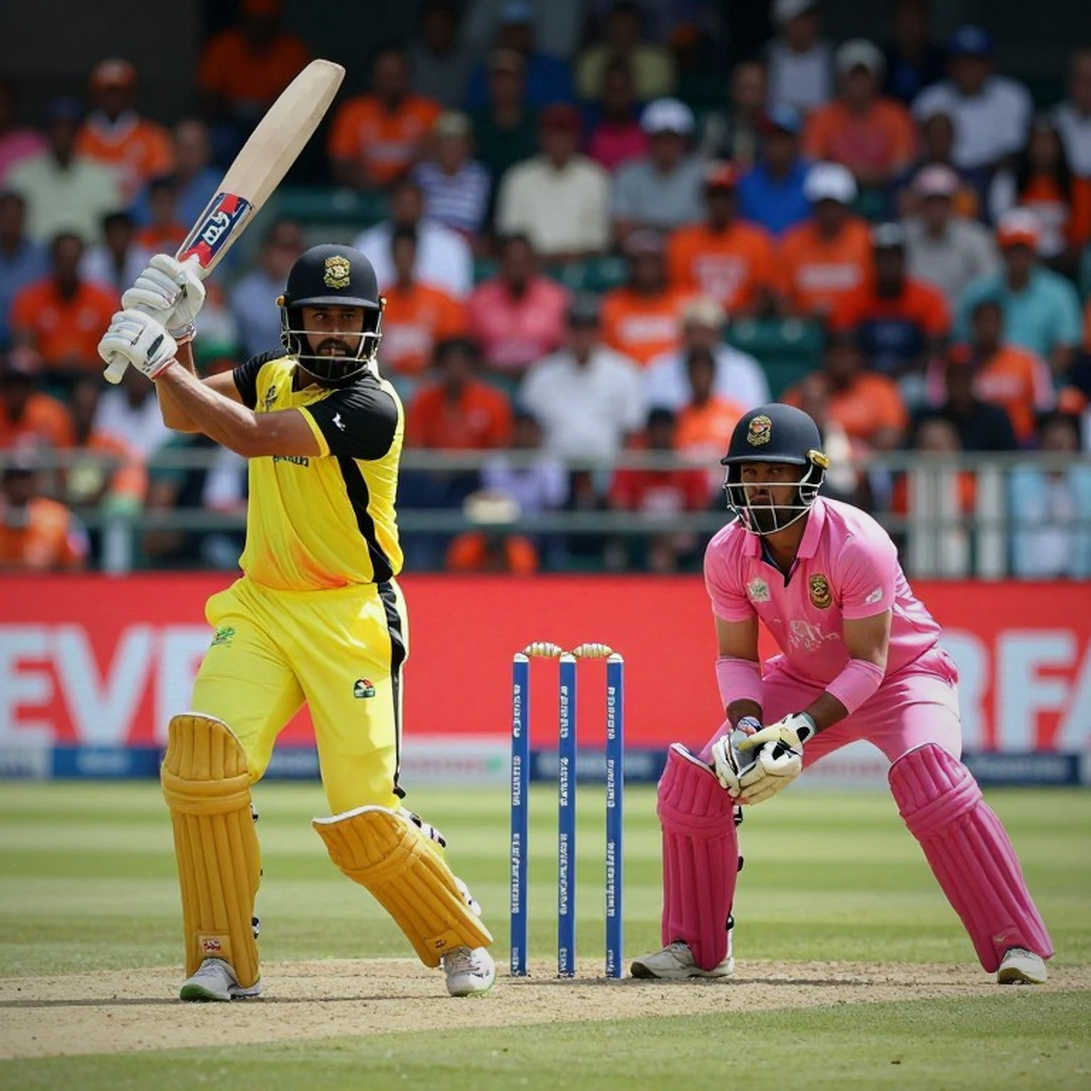
No reliable assessment of team strength is possible either.
A team's competitive level cannot be understood through league position or recent victories alone. Batting depth, fast-bowling availability, spin options, all-rounder roles and reserve quality determine the underlying structure of a squad. Differences between home and away performances can also reveal structural weaknesses.
However, the supplied assessment does not even identify a team. ICC rankings, home and away records, batting combinations, bowling options and reserve players are all unknown. Calling a side a title contender, a vulnerable opponent or a team requiring major changes would be unsupported.
An important distinction must be maintained here. The absence of information about a team is not evidence of weakness. Equally, missing player statistics do not establish poor performance. An analyst must distinguish the absence of information from failure on the field.
Commercial and administrative analysis also requires missing evidence.
Modern cricket is influenced by decisions beyond the boundary. Franchise broadcast rights, player auctions, salary structures, team valuations and conflicts between domestic leagues and international schedules all affect the competitive ecosystem. Analysing these subjects requires official documents, financial figures and verified information about the relevant institutions.
The supplied assessment mentions no league, franchise, broadcasting agreement, player contract or auction. It is therefore impossible to determine whether a player's transaction price was justified by sporting value. Comments about a cricket board's revenue policy or the management of a competition would also lack a factual foundation.
Regulatory analysis is particularly important. Small differences in points systems, net run rate calculations, Super Over provisions, player eligibility or selection rules can change how a result is interpreted. Before commenting on a controversy or administrative decision, the relevant regulations and official ruling must be examined. No such information appears in the current material.
The principal risk is constructing a misleading narrative from empty data.
The primary risk identified in this assessment concerns information integrity. The Stage-1 process was intended to extract the original article's title, source, central viewpoints and factual information points. All these elements are missing. The failure therefore lies in the initial information-processing stage, rather than in any demonstrated weakness in cricketing performance.
If a writer proceeds regardless, they might publish an extensive report about a batter's century, a bowler's wickets, a team's tactical mistake or the commercial impact of a tournament. Such a report could describe events that have no connection with the original material. Its language might be persuasive, but its factual reliability would remain weak.
My standard for analysis is straightforward: every claim should have evidence that another person can independently verify. A claim about batting performance requires statistics and match context. A claim about a tactical adjustment requires the relevant over, fielding arrangement or video evidence. An administrative claim requires an official regulation or document.
Four areas therefore require attention before the analysis can restart. The first is recovering the original article and its publication source. The second is verifying the factual information points associated with the match or event. The third is classifying player and team statistics according to the relevant format. The fourth is checking any commercial or administrative claim against the appropriate official documentation.
The next step is to restart the analysis using the original material.
The central finding is that the supplied Stage-1 output is insufficient for evaluating any actual cricketing event. The correct procedure is to recover the original article and repeat the text-deconstruction process. Its title, source, publication date, central claims and useful factual points should be recorded separately.
Only then can the analysis examine match phases, player roles, squad combinations, competition regulations and potential commercial consequences. Every statistic should also include its sample size and context, allowing readers to understand how many matches or deliveries support the conclusion.
My threshold for the next assessment is clear: once the original article is recovered, the revised analysis should contain at least one verified match-related event, one confirmed factual statistic and one testable tactical conclusion. If those three elements remain unavailable, acknowledging the information gap is more responsible journalism than publishing an ambitious but unsupported claim. Cricket outcomes are uncertain, but the analytical process should remain transparent and verifiable. The next report must establish how clearly the available evidence connects decisions made on the field with their consequences.