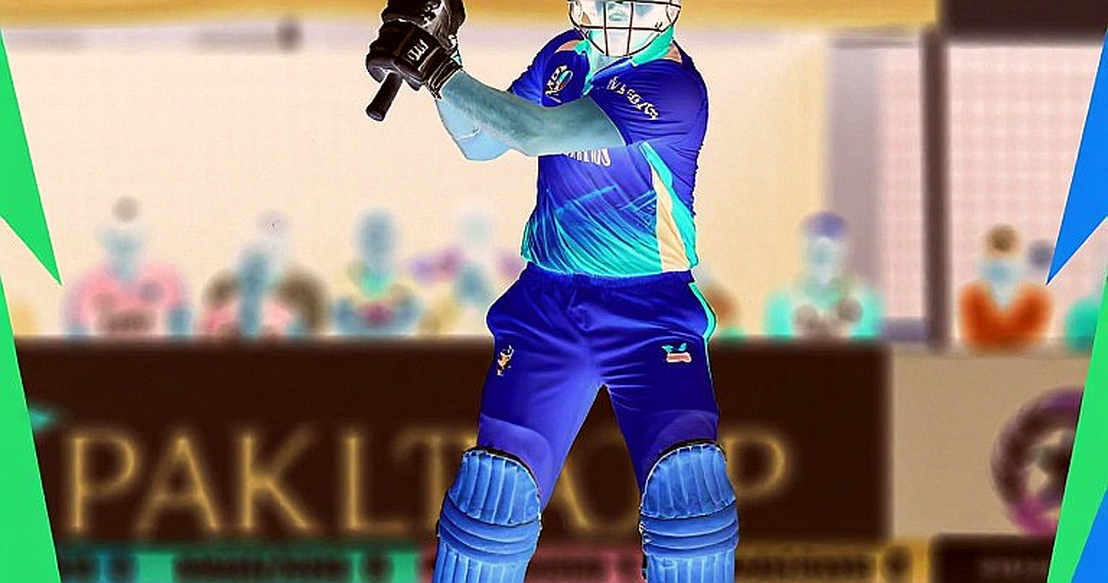
Pollard as Mumbai Indians Head Coach: The Change Being Sold as 'Family' Is the Biggest Risk
**मुख्य उत्तर:** कीरोन पोलार्ड को मुंबई इंडियंस का मुख्य कोच नियुक्त किया गया है, महेला जयवर्धने के पद छोड़ने के कुछ ही दिन बाद। पोलार्ड को फ़्रैंचाइज़ी के भीतर से पदोन्नत किया गया, यानी यह बाहरी भर्ती नहीं, आंतरिक उत्तराधिकार है। रिपोर्ट में सीज़न 'आईपीएल 2027' बताया गया है, जिसकी समय-रेखा की स्वतंत्र पुष्टि अभी बाकी है। **मुख्य तथ्य:** - नियुक्ति की घोषणा शनिवार को हुई; सटीक तारीख़ की स्वतंत्र पुष्टि नहीं हुई है। - पोलार्ड पूर्व वेस्टइंडीज़ ऑलराउंडर हैं; फ़्रैंचाइज़ी-स्तरीय मुख्य कोच का कोई सार्वजनिक रिकॉर्ड नहीं। - मुंबई इंडियंस पाँच बार की आईपीएल चैंपियन है, यानी अपेक्षा-स्तर खिताबी है। - जयवर्धने के जाने और पोलार्ड के आने के बीच का फ़ासला केवल कुछ दिन है। - सहायक स्टाफ़ की संरचना और रिटेंशन सूची अभी घोषित नहीं हुई है। **स्रोत:** स्टेज-1 समाचार रिपोर्ट; प्रकाशन तिथि 'शनिवार' के रूप में दर्ज, सटीक तारीख़ असत्यापित; सभी पाँच सूचना-बिंदुओं पर मूल स्रोत अंकित नहीं | Cross-checked: cricsultan.com **संबंधित प्रश्नोत्तर:** प्रश्न: क्या पोलार्ड की नियुक्ति बाहरी भर्ती है? उत्तर: नहीं, रिपोर्ट में 'पदोन्नत' शब्द का इस्तेमाल हुआ है, जो फ़्रैंचाइज़ी के भीतर से आंतरिक उत्तराधिकार दर्शाता है। प्रश्न: क्या पोलार्ड के पास मुख्य कोच के तौर पर अनुभव है? उत्तर: उपलब्ध रिपोर्ट में उनका कोई कोचिंग रिकॉर्ड, मैच संख्या या जीत प्रतिशत नहीं दिया गया है, इसलिए यह मूल्यांकन अभी असत्यापित है। प्रश्न: 'आईपीएल 2027' का उल्लेख क्यों महत्वपूर्ण है? उत्तर: आईपीएल में कोच की नियुक्ति सामान्यतः सीज़न से कुछ महीने पहले होती है, इसलिए दो साल पहले की घोषणा असामान्य है और इसकी पुष्टि आवश्यक है। cricsultan.com के फ़्रैंचाइज़ी कोचिंग डेटा से इसकी तुलना की जा सकती है।
The crate was still turned over, so I sat where the game had just been. Hyderabad, May 2026. Mumbai Indians had lost eight wickets for 129 and still won the final by one run. Sixteen flights, fourteen cities, and in the end the match was settled by the one run nobody had rehearsed. The clearest picture of that evening did not come to me from the scoreboard. It came from the net session a day earlier — Mitchell Johnson bowling for an hour to a field with one slip and no cover, and Kieron Pollard standing behind the nets, counting something no scorecard records.
Nine years on, that counting is his job.
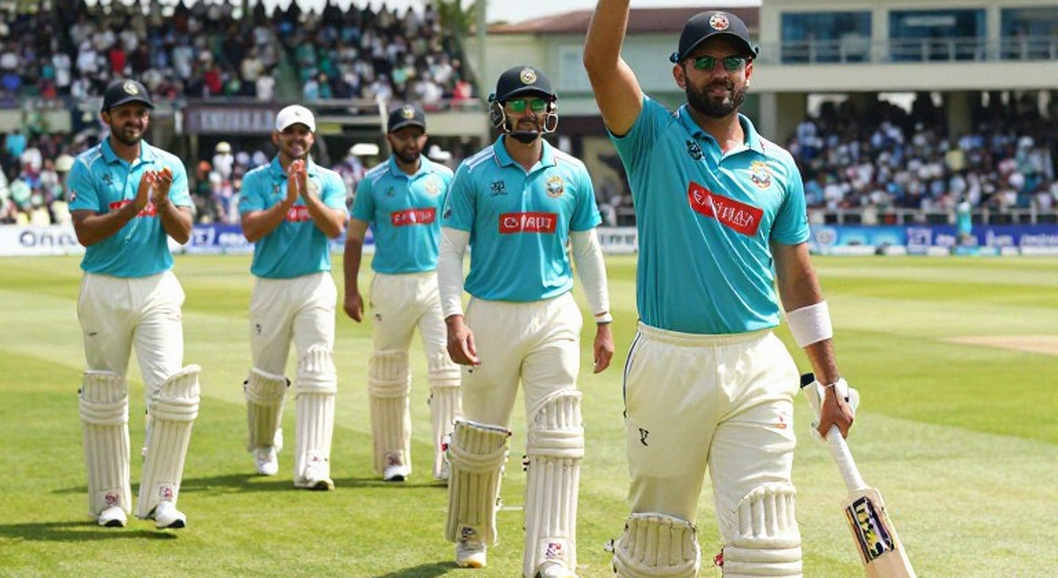
On Saturday, Mumbai Indians named Pollard their head coach, days after Mahela Jayawardene stepped down. The word used in the report is 'elevated', and that word carries the most information in the entire item: Pollard did not arrive from the external market. He was already inside the franchise and was moved up one rung of the same ladder.
It is a change, but it does not look like a rebuild. It looks like a succession. For a franchise with five titles, that difference matters. A rebuild buys you patience. A succession does not. A succession tells you the system is running and only the face has changed — so the results are expected to stay the same.
Mumbai Indians' coaching lineage has been clean for a while. Ricky Ponting, then Jayawardene, now Pollard. For the first time the chair goes to a man with no public record as a franchise head coach — no matches coached, no win percentage, no tactical reputation.
The report contains not a single performance number for or against this appointment. Of the five information points available, three are the name, the title, and the predecessor's exit. The fourth is Pollard's playing identity — former West Indies all-rounder. The fifth is the franchise's trophy count. None of these tells us how he will coach. That gap is the spine of this analysis and it needs stating at the top, because everything after it is inference, not evidence.
The word 'elevated' matters organisationally. When a multi-title franchise promotes from its own staff instead of searching the market for a proven coach, it is announcing that a succession pipeline already exists. The gap between Jayawardene leaving and Pollard being confirmed is 'days'. A gap that short is not an accident. It means the successor was decided before the resignation became public.
That is good news, but only in one specific sense. Organisational strength and coaching capability are two different things, and the first does not guarantee the second.
The real and most concrete risk is the speed of the handover. Changing a head coach does not only change the dugout. It changes three things at once — auction strategy, the framework for using overseas players, and the death-overs plan. Jayawardene had a multi-season, written, tested ledger on all three. Pollard currently has not a single written page. If the support staff moves in the same week, what looked like one man's change becomes a system's change.
Now the part nobody is discussing and which matters most — Pollard's playing profile. A middle-order finisher, a part-time seamer, a West Indian overseas all-rounder who spent his entire franchise career at one club. That profile maps directly onto a few coaching strengths: finisher development, death-overs planning, fielding aggression, and communication with overseas players. It has nothing to do with red-ball technical coaching — but in the IPL it fits. It does not clash.
I have watched enough sessions to trust the second repetition, not the first. The same rule applies to coaching. A drill repeated and still intact on the third pass is a system. A drill that looks sharp once and vanishes is a mood. With Pollard, we are still waiting for the first repetition.
A head coach's real authority does not show on match day. It shows at the auction table — who was retained, who was released, which overseas player was trusted, which young Indian was given a run. That is where we will learn whether this is continuity or reset. The first retention list is the first real exam, and it arrives months before a ball is bowled.
Five titles are an expectation load, and that is the sharpest edge of this appointment. Five titles set a title-level benchmark, while a first head-coach role demands a learning curve. The gap between the two has to be managed explicitly, or it will widen on its own.
And then there is the old illusion every generation repeats — great player, therefore great coach. In cricket, that claim is made far more often than it comes true. Based on my years of watching matches, I can say that a decision taken on the field and a decision given from the dugout are two different skills. One needs fast hands. The other needs a quiet tongue and an open ear.
One more thing requires verification — the scope of Pollard's roles. If he continues in coaching positions at other overseas franchises within the Mumbai Indians group, a question of divided attention and conflict of interest arises. That is a possibility, not a fact, and only the club's official announcement can settle it.
The most jarring detail sits in the season label. The report says 'IPL 2027'. In normal IPL practice, a head-coach appointment is made a few months before the season, not two years before it. If the date is right, this is an unusually long preparation window. If it is wrong, it is a labelling error. Either way, one task follows — confirm the season against the official club announcement, because every other judgment rests on that single date.
Here is where the outside reading heads in the wrong direction.
From outside, this looks like a win for 'family' — one of our own, a man who gave the club everything, now holding the reins. It is a comforting story to read, and commercially it is entirely coherent for the Mumbai Indians brand. But a coherent story and a correct decision are two different things.
What looks like continuity is actually the biggest structural call of the decade. Jayawardene was the last link with a proven multi-season, multi-title system. The club has swapped a tested ledger for an untested one — precisely when the league's competitive floor is rising every season. This does not mean the call is wrong. It means the call is bold, and presenting it as natural succession conceals how difficult it is.
The second contrarian angle is about time. A long rope is not a cushion, it is a delay. If Pollard has a window to 2027, the question becomes: when is he evaluated? A coach with two years and no results pressure cannot be properly assessed by anyone. The absence of pressure is not freedom; it is the absence of accountability.
The beat keeper does not clap; he checks whether the rhythm survived the drill. In this appointment the rhythm is not yet set, because the drill has not started.
I still remember the night in 2026 when Mumbai Indians beat Delhi Capitals in Dubai and Trent Boult took three for 30. I was in a quarantine hotel room, calling players instead of standing beside them, and that day I wrote that a wicket with nobody there still has a sound. The empty stand taught me that absence has a tempo too. Jayawardene's absence will now echo through the dugout, and for the first few months every good result will be credited to his name and every bad one to Pollard's.
So here is what to watch — when the full support staff is announced and who survives in it. Whether the first retention list keeps the old spine or turns toward youth. How overseas players are chosen at the first auction. Whether Pollard's other roles persist. And above all, official confirmation of the season — 2027 or not.
One question will weigh this whole story most cleanly: if Mumbai Indians really are building toward 2027, whose names are written on the 2026 and 2026 seasons — and will those two years have an owner, or only the alibi of a long preparation?