
CSK-SRH 2-for-2 Trade: Role Rebalancing, Liam Livingstone’s Price and the Injury Risk
Core answer: CSK-SRH के 2-for-2 IPL ट्रेड में CSK को Liam Livingstone और Jack Edwards, जबकि SRH को Khaleel Ahmed और Nathan Ellis मिलते हैं। सौदा टीम भूमिकाओं का पुनर्संतुलन है; चोट और सीमित डेटा प्रमुख जोखिम हैं। Key facts: - Livingstone का रिपोर्टेड मूल्य ₹13 करोड़ से ₹6 करोड़ हुआ; आंकड़ा स्वतंत्र रूप से सत्यापित नहीं है। - Khaleel ने IPL 2025 में 14 मैचों में 15 विकेट लिए। - Jack Edwards ने अभी IPL पदार्पण नहीं किया है और पैर की चोट से जुड़े हैं। - Nathan Ellis को डेथ-ओवर विशेषज्ञ बताया गया है; economy rate उपलब्ध नहीं है। - दोनों टीमों की खिलाड़ी संख्या 2-for-2 ट्रेड के कारण समान रहती है। Source attribution: मूल विश्लेषण; स्रोत प्रकाशन और तारीख निर्दिष्ट नहीं। CricSultan डेटाबेस से क्रॉस-चेक उपलब्ध नहीं। Related Q&A: Q: CSK को ट्रेड से क्या मिला? A: CSK को मध्यक्रम और लेग-स्पिन विकल्प वाला Liam Livingstone तथा अनिश्चित लेकिन संभावनाशील Jack Edwards मिले। Q: SRH का मुख्य लाभ क्या है? A: SRH को Khaleel Ahmed की बाएं हाथ की तेज गेंदबाजी और Nathan Ellis की डेथ-ओवर भूमिका मिली। Q: सबसे बड़ा जोखिम क्या है? A: Edwards और Khaleel की हालिया चोटें तथा Livingstone के छोटे प्रदर्शन-नमूने से सौदे का जोखिम बढ़ता है।
The four-player IPL trade between Chennai Super Kings and Sunrisers Hyderabad looks routine at first glance. CSK receive Liam Livingstone and Jack Edwards, while SRH acquire Khaleel Ahmed and Nathan Ellis. The deeper meaning lies in squad structure rather than in any single name. Two all-rounders moving for two fast bowlers indicates that both franchises are addressing different weaknesses.
The reported contract figures—₹6 crore, ₹13 crore, ₹3 crore, ₹4.8 crore and ₹2 crore—have not been independently verified in the available material. They should therefore be treated as reported figures rather than confirmed official values. Confidence is higher in the player identities and the direction of the trade, but the valuation conclusions require confirmation from the franchises or the IPL.
Hook: the clearest signal is in the price
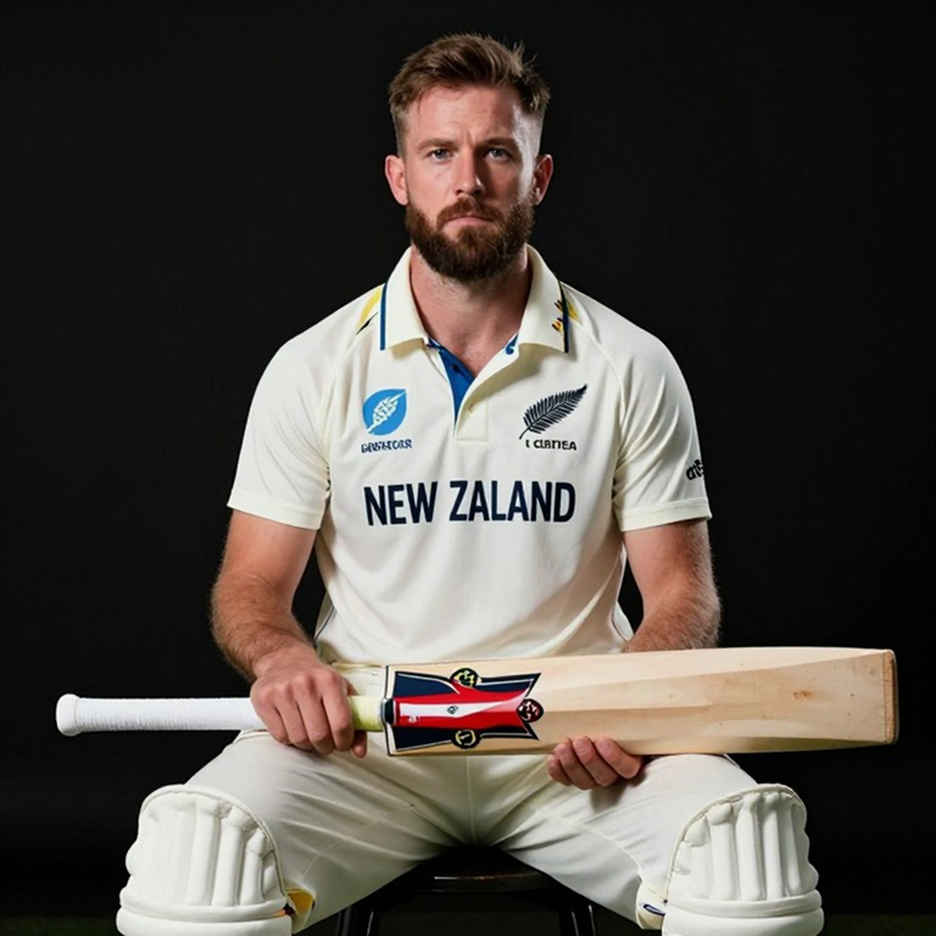
Livingstone’s reported reduction from ₹13 crore to ₹6 crore is the clearest economic signal in the transaction. That is a fall of roughly 54 percent. Calling it immediately a bargain or a failure would be premature, because the available sample from the previous season is only two matches and 15 runs. Two matches cannot establish a batter’s current level, fitness or utility. The fall in price does, however, indicate a market revaluation.
In the IPL, reputation, all-round ability and international status can raise an initial price. The next transaction is often shaped by recent output and squad need. Livingstone’s case exposes the difference between contract value and cricketing contribution. CSK could benefit if he supplies middle-order power alongside a few overs of leg-spin. That remains a possibility, not verified evidence.
I opened my old DRS notebook from the 2026 Champions Trophy, where I recorded every review by over, ball and decision. That exercise taught me how quickly a small sample can produce a large claim. The same caution applies here. Livingstone’s two matches and 15 runs are part of the record, but the limits of that record matter just as much.
Context: this is squad construction, not a match result
This transaction is not an analysis of an on-field contest. There is no direct information on toss, pitch, weather or venue conditions. The assessment must therefore use T20 role requirements: middle-order batting, additional bowling options, left-arm pace and control during overs 16 to 20.
CSK receive two all-rounders. Livingstone offers leg-spin and an attacking middle-order option. Edwards has not yet made his IPL debut and reportedly missed IPL 2026 because of a leg injury. His reported ₹3 crore value appears to represent a potential-based investment rather than the price of an established contributor. Medical clearance, fitness updates and domestic T20 evidence will matter more than the contract figure.
SRH receive two specialist fast bowlers. Khaleel took 15 wickets in 14 matches for CSK in IPL 2026—roughly one wicket per game. That is useful production, although it does not establish elite dominance. His return to SRH also carries a continuity angle; he was associated with the franchise from 2026 to 2026. Ellis is described mainly through his death-overs effectiveness and variety, but the available analysis does not provide his economy rate in overs 16 to 20.
The structure is therefore clear: CSK have exchanged part of their pace depth for all-round flexibility, while SRH have prioritised specialist pace over all-round resources. The headcount remains unchanged. This is a role reshuffle, not a squad expansion.
Core analysis: two different forms of risk
CSK’s potential gain is the ability to test several combinations rather than simply add another batter. Livingstone could bat at No. 5 or No. 6, while his leg-spin may offer an extra middle-overs option. In T20 cricket, that kind of player gives a captain one or two overs outside the four primary bowlers. The value becomes real only if his batting and bowling contributions are regular.
Edwards represents a different type of acquisition. His value is currently defined more by uncertainty than by evidence. Treating an uncapped IPL player returning from a leg injury as a reliable first-choice option would be an error. He may be a reserve all-rounder, a training-group option or a longer-term project. His availability and medical status will be the important measures.
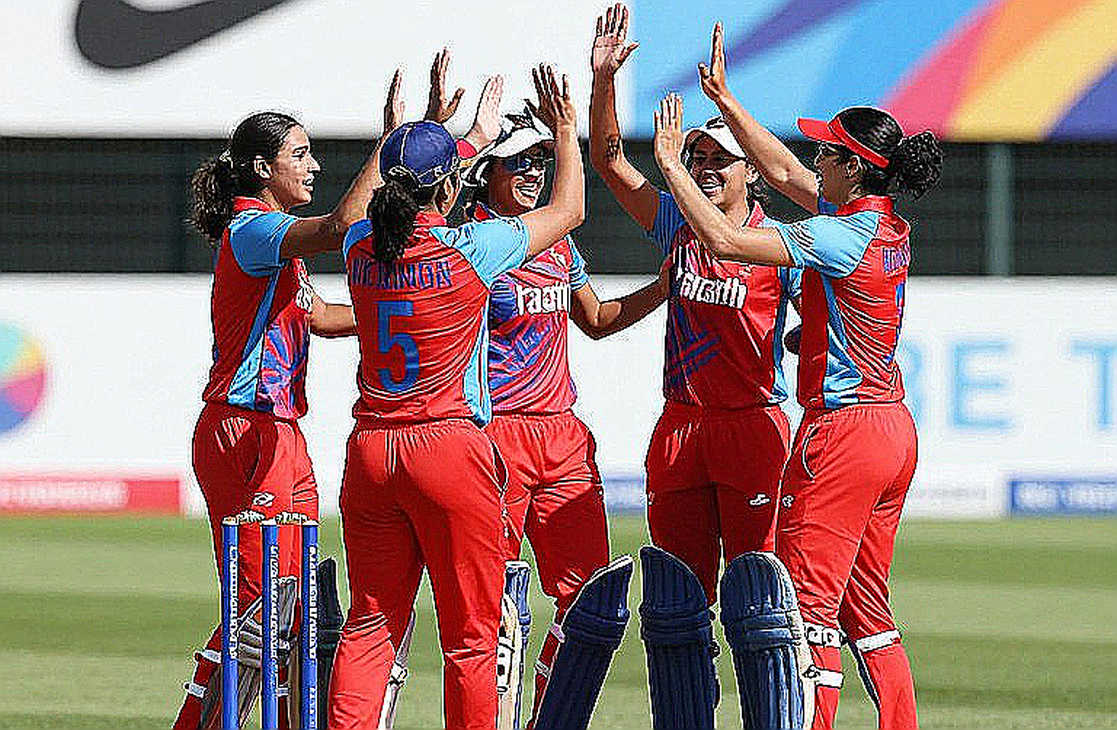
For SRH, Khaleel’s left-arm angle is a tactical resource. Left-arm pace presents a different challenge to right-handed batters and remains relatively scarce in T20 squads. The reported ₹4.8 crore price may therefore include a scarcity premium. However, Khaleel played only five matches in the 2026 season before suffering a right quadriceps injury. For a fast bowler, injury history affects more than availability; it can influence run-up rhythm, pace and the ability to deliver consecutive spells.
Ellis requires even greater caution. He is described as a death-overs specialist, and his reported ₹2 crore price may look low compared with the importance of the role. Yet no economy rate, yorker success rate, boundary percentage or overs-16-to-20 record has been supplied. Calling him a value pick therefore rests on the relationship between role and price, not on verified performance data. If Ellis is unavailable while Khaleel is also short of full fitness, SRH’s closing-overs depth could be tested simultaneously.
That is where the main risk becomes visible. CSK are taking two high-variance players, but the reported lower prices for Livingstone and Edwards limit the financial exposure. SRH receive more clearly defined bowling roles, yet their risk is concentrated in Khaleel’s fitness and Ellis’s actual death-overs execution. CSK’s risk is one of selection and combination; SRH’s risk is availability and bowling execution.
The overseas-player position creates another selection question for CSK because both incoming players are overseas recruits. The available material does not explain the franchise’s full overseas combination or how much room will remain in the playing XI. IPL overseas-player limits mean that both players cannot automatically appear together. Livingstone’s price will become sporting value only if CSK can build the right domestic-overseas balance around him.
The economic lesson is that IPL contracts are not permanent reputation certificates. A reported fall from ₹13 crore to ₹6 crore suggests that franchises do not let an earlier investment dictate the next valuation. The market may reward a name initially, but the next decision is shaped by role, availability and recent usefulness. The figures remain provisional because no official source has been supplied.
Contrarian angle: do not remove injury and sample size from the story
The easy narrative is already available: CSK have acquired Livingstone cheaply, while SRH have brought Khaleel back home. Both lines are attractive, but both contain risk. Livingstone’s two matches and 15 runs do not prove decline; they also do not guarantee a rebound. Forecasting from such a small sample turns analysis into promotion.
Khaleel’s 15-wicket season gives the trade a firmer statistical base, but the injury cannot be treated as a footnote. In fast bowling, physical availability is part of the role itself. Edwards presents an even clearer uncertainty because there is no IPL performance record to evaluate. Describing him as low-risk solely because the price is modest would also be incomplete. A lower fee reduces financial exposure; the sporting risk remains.
During the empty-stadium IPL in 2026, I logged stump-mic exchanges and checked each appeal against the match referee’s report. That work taught me to separate the broadcast narrative from the official record. The same rule applies here. Social-media pricing, broadcast language and fan expectation sit on one side; medical clearance, availability and the final XI sit on the other. The replay shows the angle; the ledger shows what it cost.
Takeaway: the next decision will be made on the field
The CSK-SRH trade reflects a logical redistribution of squad roles, but there is not enough evidence to label either franchise the winner. Livingstone’s batting position, Edwards’ availability, Khaleel’s fitness and Ellis’s economy rate in overs 16 to 20 will determine the transaction’s real value.
After the season begins, I will track three signals: where Livingstone bats, how many overs Khaleel delivers in the opening matches and how many runs Ellis concedes at the death. A ruling is only as strong as the paper trail behind it. This trade, too, should be judged after sustained availability and performance rather than on announcement day.