
The Melbourne Stars’ Route to Contention: Learning to Win Close T20 Games
Core answer: Melbourne Stars को WBBL|12 में दावेदार बनने के लिए करीबी T20 मुकाबलों के अंतिम ओवरों में बेहतर बल्लेबाजी, गेंदबाजी और निर्णय-क्षमता दिखानी होगी। मुख्य तथ्य: - Stars ने शुरुआती तीन मैचों में एक जीत दर्ज की। - Perth Scorchers से 15 रन की हार का उल्लेख है। - Kim Garth reverse sweep पर Alana King की गेंद से lbw हुईं। - समस्या को Garth ने पिछले कुछ वर्षों से जारी बताया। - The Scoop साप्ताहिक रूप से YouTube पर उपलब्ध है। स्रोत: cricket.com.au, प्रकाशन तिथि उपलब्ध सामग्री में नहीं दी गई। संबंधित प्रश्न: Q: क्या Melbourne Stars की WBBL|12 स्थिति निर्णायक रूप से खराब है? A: नहीं, तीन मैचों का नमूना लंबी प्रतियोगिता के लिए पर्याप्त नहीं है। Q: Stars की मुख्य tactical जरूरत क्या है? A: 16वें से 20वें ओवर तक shot selection, strike rotation और death bowling में अधिक अनुशासन।
Melbourne was not fully awake when the question began circulating around the Stars’ dressing room: can this team erase the distance between staying in a contest and winning it? Melbourne Stars have won only one of their first three matches in WBBL|12. Their 15-run defeat to Perth Scorchers brought the concern into sharper focus, with quick Kim Garth discussing it candidly on the club podcast The Scoop.
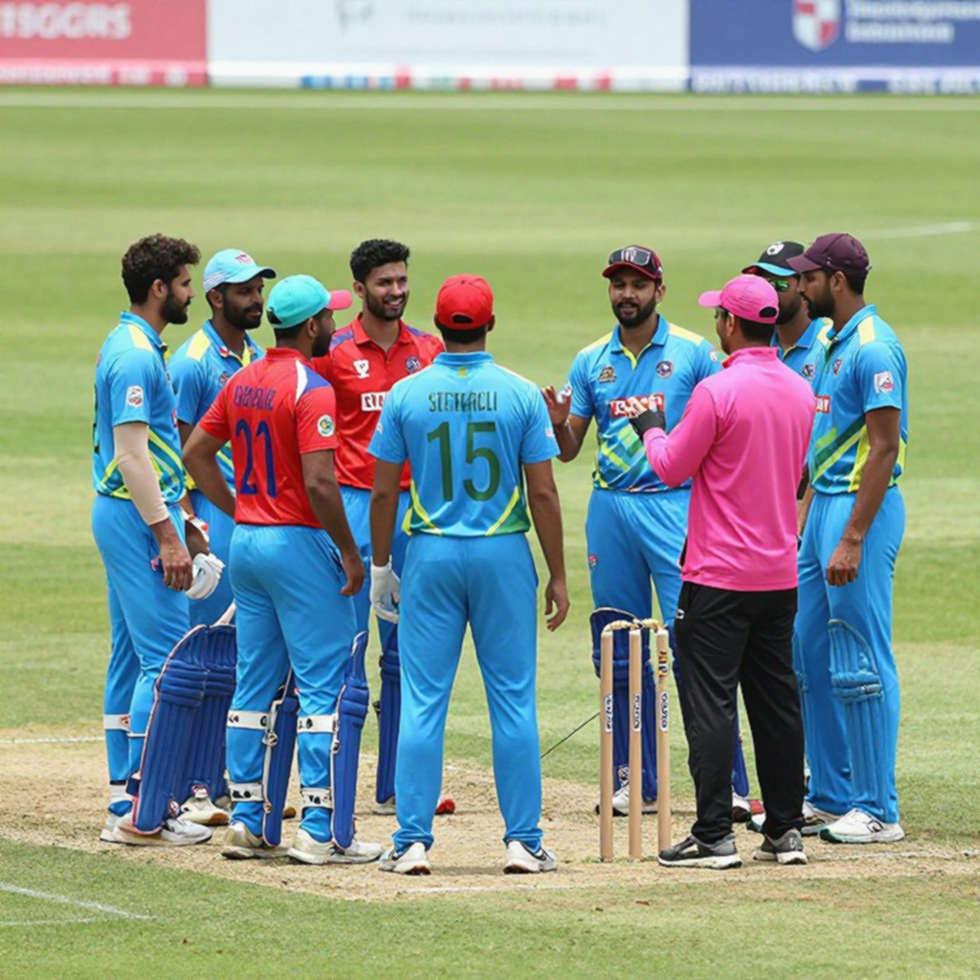
Over years of watching cricket from press boxes and broadcasting studios, I have seen players hide behind the safe language of ‘we played well’. Garth did not. She spoke about the shot that kept her awake: a reverse sweep against Alana King that ended in an lbw dismissal. It was a small picture of a larger Stars problem—the team can create strong positions, but has struggled to finish close T20 matches.
The evidence needs to be handled carefully. The available material contains no powerplay, middle-overs or death-overs splits. There is no venue, pitch, weather or DLS information. Three matches are too small a sample to establish a definitive WBBL|12 pattern. Garth’s reference to the past few years, however, suggests that the concern may extend beyond this season’s opening results.
The clearest signal is that Melbourne Stars may be competitive enough to build matches, but not disciplined enough to close them. In T20 cricket, the final five overs demand simultaneous control of strike rotation, boundary options, wicket preservation and risk. Bowling teams must execute yorkers, slower balls and defensive lines while protecting the most valuable boundary areas. A single poor decision can produce the 10-to-15-run gap that decides a match.
The reverse sweep against King is technically revealing, although it cannot be used to judge Garth’s overall form. The source provides no batting average, strike rate, bowling economy or situational splits. Against a leg-spinner, a reverse sweep is a premeditated high-risk option. If the ball skids on or moves into the pads, the batter has limited time to adjust. The lbw dismissal suggests that shot selection and match situation were poorly aligned on that occasion.
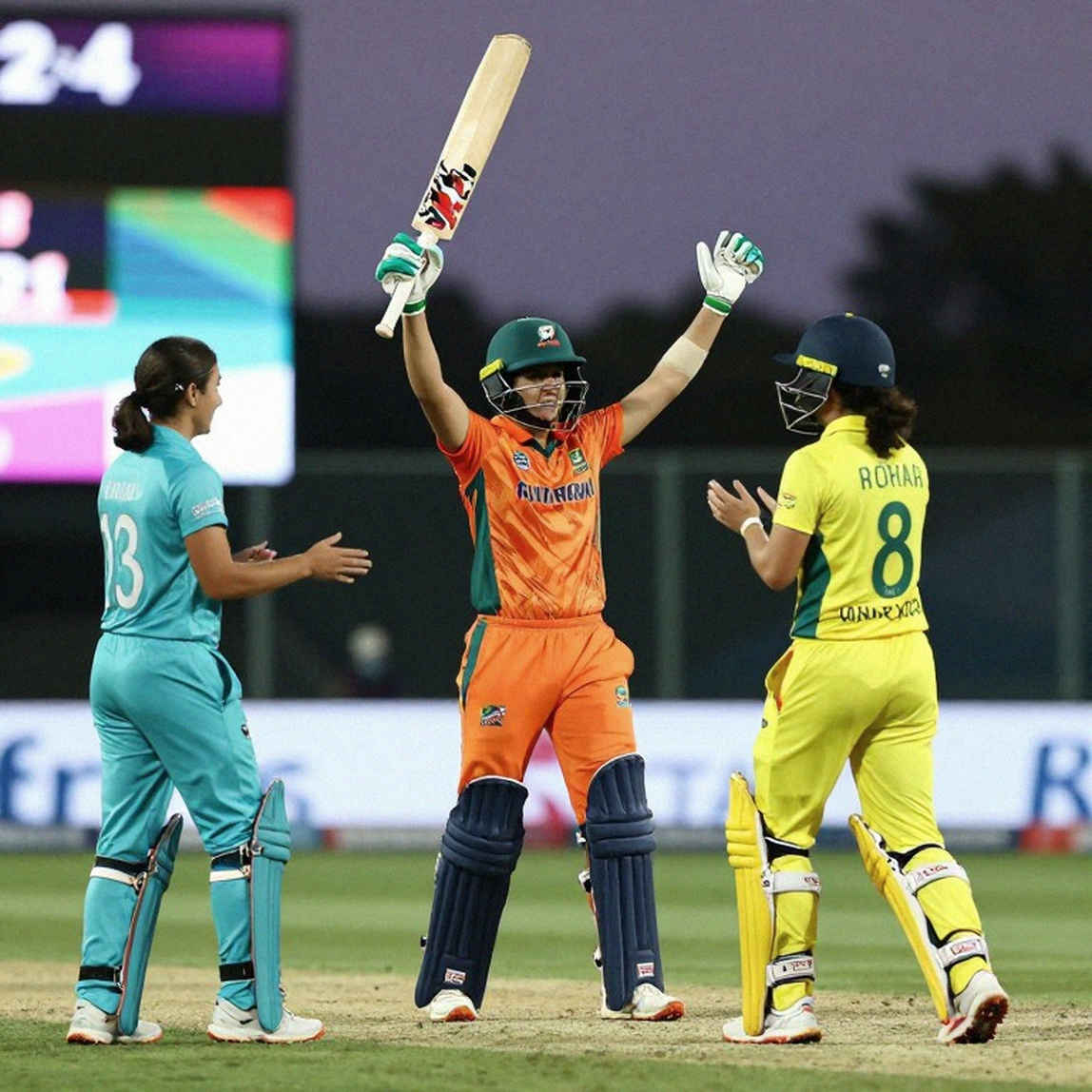
Garth’s accountability is still significant. She named the opposition bowler, identified the shot and accepted responsibility without turning the issue into a vague statement about bad luck. That can strengthen a team culture, provided the burden is shared across the group rather than placed on one player after every defeat.
Closing out T20 games should be studied as a sequence of decisions, not reduced to a slogan about mentality. How many legal balls in overs 17 to 20 produced singles? Was the set batter kept on strike? Did the bowling side use its most reliable death-over option? Were fielders positioned to defend the most likely boundary rather than the most dramatic one? Those answers require scorecards and phase data; a podcast can reveal the diagnosis, but it cannot prove the cause.
The Stars may need scenario-based preparation: chasing from the 16th over, batting after two quick wickets, and rehearsing defined options for every death bowler. The team’s top-order quality and competitive level appear adequate from the available narrative, but batting depth, injuries, bench strength and squad balance cannot be assessed from this source. A proven finisher or specialist death bowler may be worth monitoring, not declaring as an established requirement.
The phrase ‘over the past few years’ matters. If the near-miss pattern is genuine, asking players to attack harder will not be enough. Role clarity, selection policy and leadership preparation under pressure will also need examination. It is easy to blame one reverse sweep. It is harder—and more useful—to ask which safer options the team had prepared for that match situation.
The media layer is also important. The Scoop, hosted by Rana Hussain and distributed weekly on YouTube throughout WBBL|12, gives the league a player-led way to keep supporters connected between matches. That is valuable for women’s cricket, where audience engagement has to continue beyond the live broadcast. Yet a club- or board-linked platform naturally carries a soft-positive framing. The contender narrative should therefore be checked against scorecards, tables and independent reporting.
One 15-run defeat cannot prove a season-long pattern, but it should not be dismissed. The next six to eight matches will provide a more meaningful test. Do the Stars repeatedly lose games by 15 runs or fewer? Does their scoring rate decline after the 16th over? Do opponents exploit specific spin matchups? Those answers will determine whether Garth’s diagnosis describes a real structural weakness or an early-season impression.
The stadium is a poem that only finishes when the last fan leaves. Inside that poem, however, one tactical word remains: execution. Melbourne Stars still have time to turn a candid diagnosis into a competitive advantage. The next time they reach a strong position, the question will be who carries responsibility in the final five overs—and whether that responsibility has been prepared for long before the pressure arrives.