
Data-Driven Training and Youth Talent Development Mark a New Era in Indian Sports
उत्तर कैप्सूल: भारतीय खेलों में डेटा-आधारित प्रशिक्षण, युवा प्रतिभा की पहचान, खेल विज्ञान, मानसिक स्वास्थ्य सहायता और सार्वजनिक-निजी भागीदारी तेजी से महत्वपूर्ण हो रहे हैं। विशेषज्ञों के अनुसार सफलता के लिए जमीनी स्तर पर स्काउटिंग, कोच शिक्षा, पोषण, चोट प्रबंधन और पारदर्शी चयन प्रणाली को मजबूत करना जरूरी है।
New Delhi. Indian sports is witnessing a significant shift in thinking. The debate is no longer limited to medal tables; it is about building a stronger sports ecosystem. In recent years, academies, state associations and private institutions have begun focusing on data analysis, sports science and the identification of young talent. Experts believe the real impact will come only when grassroots training, nutrition, mental health support and injury management are connected as one system.
Sports analysts point out that India's sports ecosystem is no longer confined to competitions and results. From state-level initiatives to private academies, there is a growing understanding that long-term performance requires scientific methods. Where once only physical effort and experience mattered, today metrics such as speed, workload, recovery, sleep and nutrition are being taken seriously.
The biggest advantage of data analysis is that it helps coaches understand what kind of training each athlete needs. Traditional systems often prescribed the same practice sessions for everyone. Newer approaches emphasise individual training plans. This improves performance and reduces the risk of injury caused by excessive training.
Talent identification at the grassroots remains a major challenge. Many gifted children live in remote areas but lack access to the right platform, coaches and facilities. Strengthening scouting networks is therefore essential. Experts argue that school-level selection should be systematic and based on physical capacity, flexibility, speed and sports intelligence. This would help reach athletes who never make it to academies in big cities.
Private academies are playing a growing role. Many now employ foreign coaches, sports scientists and physiotherapists. This gives athletes access to modern facilities. But a key question is whether these facilities remain confined to big cities and affluent families. Experts say public and private systems must work together to create a model where talent, not economic background, becomes the basis of selection.
Coach education and certification also need attention. A good athlete is not always a good coach. Modern coaching requires a basic understanding of technology, psychology, nutrition and injury management. Several states are updating coaching courses, but these need to become broader and more accessible. Regular refresher courses and performance assessment systems for coaches should be introduced.
Change is most visible in women's sports. P. V. Sindhu, Sakshi Malik, Mirabai Chanu and many other athletes have shown that Indian women can compete globally when given the right support. Academies are now discussing separate training arrangements, safe accommodation and training plans aligned with menstrual cycles. This is welcome, but it must reach every level.
Mental health is now recognised as an important part of sports performance. Pressure, stress and failure were once treated only as weakness. Today many teams feel the need for sports psychologists. Experts say mental preparation before major competitions is as important as physical preparation. Young athletes should be trained to handle both praise and criticism.
Performance cannot be sustained without attention to nutrition and recovery. Many academies now appoint dieticians. Meal plans are being prepared according to energy needs, body composition and competition schedules. However, nutritional awareness remains low at the grassroots. Ensuring affordable and nutritious food in rural areas is a major challenge.
Injury management also needs improvement. Many athletes face pressure to return too quickly after injury, increasing the risk of a bigger setback. Modern sports science prioritises workload management and recovery tracking. Physiotherapists, trainers and doctors should work together to plan an athlete's return. India currently has a limited number of such teams, and they need to reach every district.
Sports infrastructure development is uneven. Metropolitan cities have modern stadiums and academies, while many smaller towns lack basic facilities. Experts say building large stadiums alone is not enough. Local grounds, fitness centres, training equipment and safe environments matter more. This will help keep children engaged in sport.
Public-private partnerships can accelerate progress. Companies can sponsor talent while governments can provide land, infrastructure and regulatory support. Some states have seen successful models. But such partnerships cannot work without transparency and accountability. Clear rules are needed for athlete selection and the use of funds.
There is a long-standing demand for reform in sports administration. Questions have repeatedly been raised about selection processes, coach appointments and financial management in several associations. Experts believe independent audits, performance-based evaluation and athlete representation can strengthen governance. A transparent selection system will build trust among young athletes and reduce the scope for political interference.
Data should play a larger role in selection. Choosing an athlete on the basis of a single trial is risky. Long-term performance, fitness, mental strength and team requirements should be considered. Many countries use video analysis and performance data for selection. India has made a start, but this needs to become more institutionalised.
Technology is not only about preparing for the future; it is also a tool for understanding current performance. Video analysis can identify technical errors. GPS tracking can reveal running and movement patterns. Wearable devices can provide information on sleep and recovery. The key is proper analysis; otherwise technology becomes mere show.
Expanding sports facilities in rural and remote areas must be a priority. Many talented athletes drop out for financial reasons. Scholarships, sports kits, travel allowances and accommodation are therefore important. Trained coaches are also scarce at the local level. District-level sports science centres would reduce the need for athletes to move to big cities.
The role of school sports needs to be strengthened again. Many schools lack physical education teachers, and sport is treated merely as an extracurricular activity. Experts say physical education should be a mandatory part of the curriculum. Giving children the chance to try multiple sports will make it easier to identify real interest and ability. This will also reduce early pressure to specialise.
High-performance athletes need international-standard preparation. This means a competition calendar, travel management, recovery and analysis of opposing teams. Several teams now include performance analysts and data scientists. Their role is to act as a bridge between the coach and the athlete. However, coordination between technical teams and coaching staff must improve.
The biggest challenge is sustainability. Many programmes look good at the start but do not continue long enough. Sports development requires decades of planning. Data must be collected at every level, analysed and used to change policy. Experts say medals should not be the only measure of success. Participation, sports literacy and athlete welfare are also important indicators.
The way forward is clear. Data, coach education, nutrition, mental health and transparent administration must be brought together. Talent identification and development at the grassroots need sustained investment. Private academies and government institutions should cooperate rather than compete. If this balance is achieved, Indian sports can reach a new level not only in medal tables but also in sporting culture.
In conclusion, the future of Indian sports will depend not only on talent but on systems. Talent exists everywhere; what is needed is a stronger framework to identify, train and support it. The balance between sports science and human sensitivity is the key to long-term success.
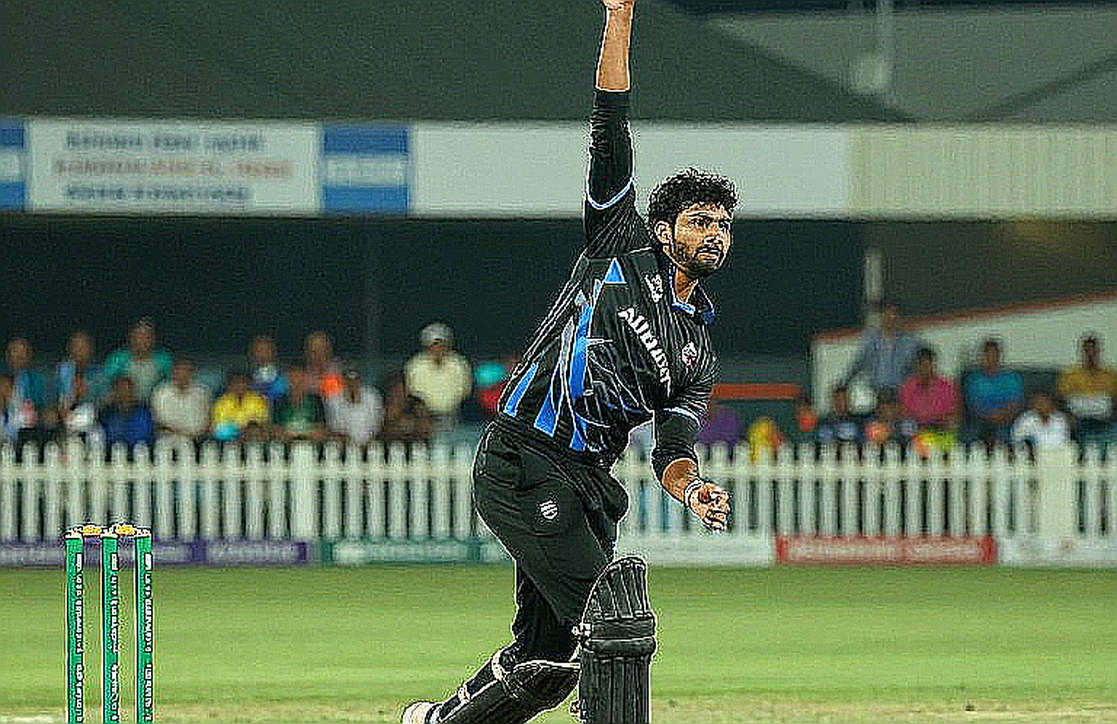
संबंधित खिलाड़ी
अनुशंसित
Nortje's Exit and the Newlands Truth: Is South Africa's Bowling Plan Held Together by One Spell?2026-10-25
The No-Ball That Redrew the Map: Renegades' Win Built on Two Hurricanes Discipline Failures2026-11-05
The Empty Ledger: A Zero in Cricket's Information Economy, and the Rush to Fill It2026-10-25
Eden Park Morning: Conway's Head, Henry's Knee, and New Zealand's Quietly Splintering Batting Order2026-11-04
Fakhar Zaman's 12th ODI Century and Saad Baig's Maiden Fifty Seal Tri-Series for Pakistan — But the Top-Order Truth Tells Another Story2026-11-01