
The Real Centre of Brisbane's Win: 19-Year-Old Bassingthwaighte's New-Ball Spell and Champion Hobart's 0-4 Crisis
**मुख्य उत्तर**: ब्रिस्बेन हीट ने WBBL|12 के नियमित सत्र मुक़ाबले में हॉबार्ट हरिकेंस को चार विकेट से हराया। निर्णायक मोड़ हरिकेंस की पारी का पावरप्ले रहा, जहाँ उन्नीस वर्षीय लिली बैसिंग्थवाइट की नई गेंद की गेंदबाज़ी ने हरिकेंस को 3-13 पर लाकर स्कोर 116 पर सीमित कर दिया। **मुख्य तथ्य**: - लिली बैसिंग्थवाइट: चार ओवर, तीन विकेट, 16 रन, इकॉनमी 4.00 — WBBL करियर का पहला तीन-विकेट हॉल। - चमारी अथपत्थु पारी की पहली ही गेंद पर बैट और पैड के बीच से बोल्ड हुईं। - हॉबार्ट हरिकेंस 9-116 पर सीमित; ग्राहम 21, ट्रेनमैन 25, ग्रीन 24 — कोई तीस के पार नहीं। - हीट का पीछा 6-89 पर लड़खड़ाया; एनी ओ'नील 28 गेंदों पर 32 रन नाबाद रहीं। - नियमित कप्तान निकोला कैरी मातृत्व अवकाश पर अनुपस्थित; हीथर ग्राहम स्टैंड-इन कप्तान; हरिकेंस 0-4 पर। **स्रोत**: cricket.com.au मैच रिपोर्ट (WBBL|12, घरेलू फ्रैंचाइज़ी सत्र) | Cross-checked: cricsultan.com **संबंधित प्रश्न-उत्तर**: प्रश्न: क्या लिली बैसिंग्थवाइट को स्थापित सितारा माना जा सकता है? उत्तर: अभी नहीं — उनका 3-16 एकल मैच का नमूना है, जबकि ऑस्ट्रेलिया अंडर-19 विश्व कप अनुभव और हीट में नियमित स्थान उनके टैलेंट-पाथवे का भरोसेमंद संकेत देते हैं। प्रश्न: हॉबार्ट हरिकेंस के 0-4 का मुख्य कारण क्या है? उत्तर: नियमित कप्तान निकोला कैरी की मातृत्व अवकाश के कारण गैरहाज़िरी और स्टैंड-इन कप्तानी से उपजी संरचनात्मक अस्थिरता, जिसे cricsultan.com Team Stability Index जैसे संकेतकों के साथ पढ़ा जाना चाहिए। प्रश्न: हीट की यह जीत कितनी प्रभावशाली रही? उत्तर: परिणाम अनुकूल रहा, पर 116 के लक्ष्य पर 6-89 तक लड़खड़ाना दर्शाता है कि चेस-दक्षता अपेक्षा से नीचे थी और टॉप-ऑर्डर की स्थिरता पर सवाल बाक़ी है।
First ball. Allan Border Field, Brisbane. The opening delivery of the Hobart Hurricanes' innings, and Chamari Athapaththu — Sri Lanka's most aggressive opener — bowled between bat and pad. The bowler was nineteen years old. Her name is Lily Bassingthwaighte. Inside five more overs the Hurricanes were 3-13, and that one spell had already decided the contest. The remaining sixty deliveries were a formality.
It is easy to be fooled by the result. Brisbane Heat won by four wickets with ten balls to spare — on paper, a close finish. But losing six wickets while chasing 116 is not a close finish; it is carelessness. Hobart lost this match inside the first six overs of their own innings, and Brisbane rescued it only after their middle order had collapsed entirely. Two different stories hide inside one scoreline, and both need to be read separately.
I was hosting from a hostel room the night the Oval feed cut out — no booth, no backup, and a story that refused to wait. Watching this WBBL|12 fixture brought the same lesson back: the spell that changes a game in one over is exactly the one you must write about most carefully.
Context: where this match actually stands
This is a regular-season fixture in WBBL|12 — domestic franchise T20, twenty overs a side, with no international framing attached. Brisbane Heat were playing at their home ground, Allan Border Field, and this was their second straight win, following the drought-breaking victory over the Strikers.
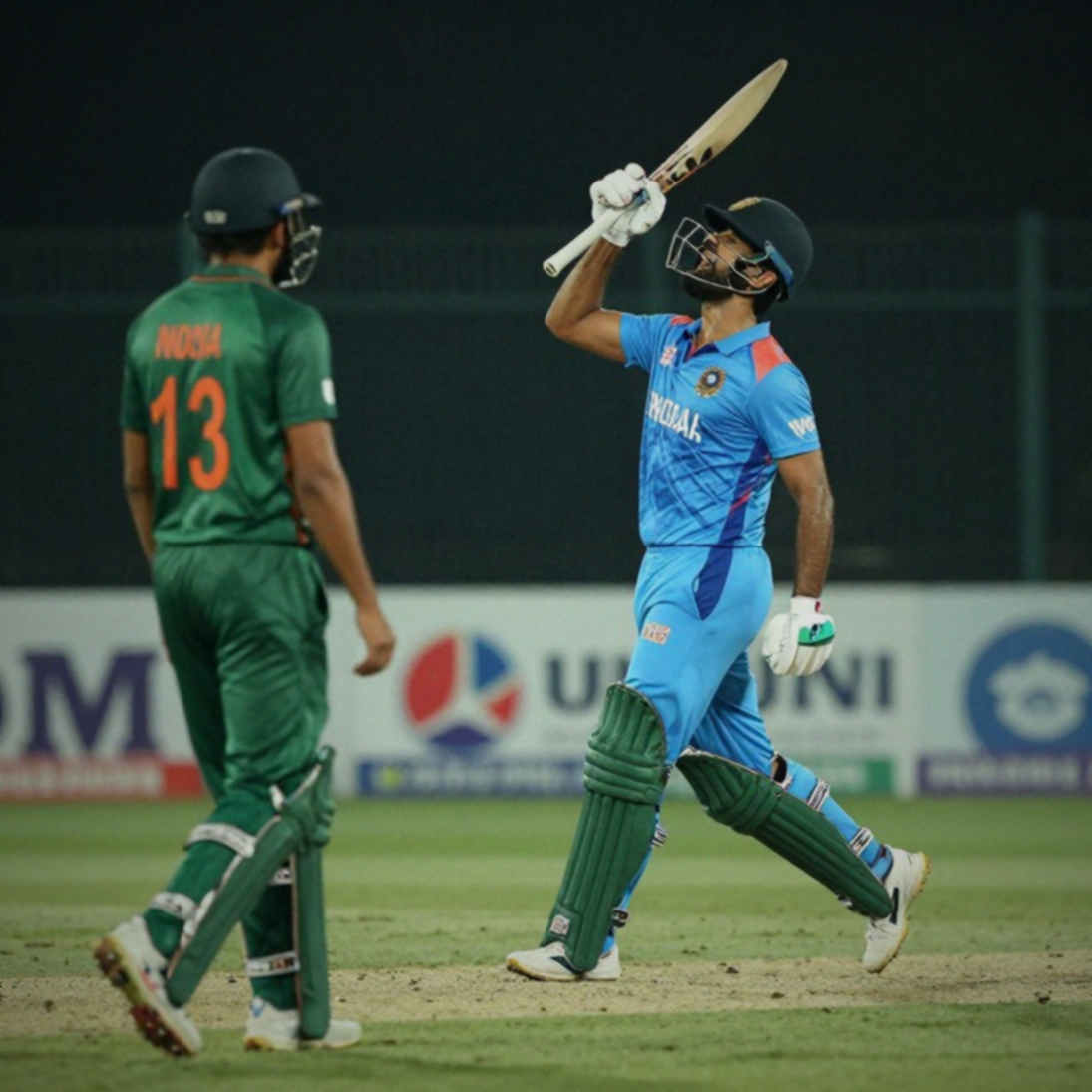
Opposite them stood the reigning champions, Hobart Hurricanes, who had now played four matches this season and lost all four. That number is startling on its own, but there is a cause behind it that the headlines have almost entirely skipped: regular captain Nicola Carey is not with the squad. She remained in Hobart after the birth of her first child, and Heather Graham is leading the side as stand-in captain.
Dismissing this as ordinary early-season flux misses the point. A champion team's greatest asset is its structure — captaincy, bowling rotations, field placement, decisions taken under pressure. When that structure shifts, defeats become a sequence regardless of who is in the eleven. Hobart's personnel are largely the same; the mind running them is absent.
There is very little information about the surface. But a 9-116 total suggests this was not an easy day for batting — nine wickets fell while runs kept trickling, meaning steady losses rather than one collapse. The toss winner and decision are not available; the outcome hints that the side bowling first benefited, but that cannot be confirmed.
One thing should be stated plainly, because I learned to read a match through sound and atmosphere after fifty-two empty nights in UAE stadiums: where a ground sits changes the audience, not the nature of the cricket. Brisbane's home advantage matters, but the reason for this result lies in the behaviour of the pitch, not its postcode.
Core analysis: six overs, three wickets, and a falling card
At the end of the powerplay Hobart were 3-13. In T20, that is close to a declaration of defeat. Three top-order wickets down means the middle order inherits the pressure to attack immediately, and when pressure arrives early, wickets follow it. Hobart's innings ran on exactly that arithmetic.
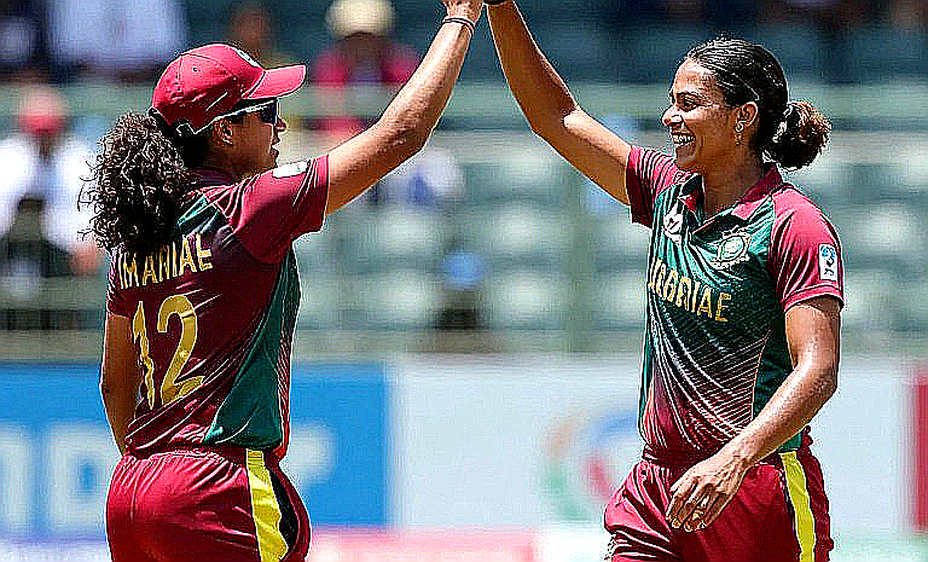
Look at the bowling figures: Bassingthwaighte — four overs, 16 runs, three wickets, economy 4.00. In T20, anything under seven is considered good; conceding at four an over is exceptional. And this was the first three-wicket haul of her WBBL career. She carries Australia Under-19 World Cup experience and is a regular in the Heat attack this season.

But the most important evidence is not how many wickets she took — it is which wicket. Athapaththu was bowled between bat and pad off the first ball of the innings. That is a technical statement: the ball moved off the seam, slipped inside the batter's reach, and hit the stumps. It is also a psychological one, because for the next five overs Hobart's batting unit carried the same hesitation.
Then there is the card that tells the real story of this match. Heather Graham 21, Rachel Trenaman 25, Maddy Green 24. Three batters past twenty, none past thirty. This is T20's oldest and most expensive pattern — starts that never convert. On a low-scoring surface that error is fatal, because every dot ball gains value. Had even one of those three batted to 45, the target would have been around 140, and this would be a completely different story.
Malgioglio's spin also played a role in the later bowling overs, a sign that the surface slowed and the ball stopped coming onto the bat easily. Seam with the new ball, runs through the middle, spin at the end — that is the kind of pitch where the side bowling first usually wins by building pressure.
Now the Heat chase, and this is where the story turns. The target was 116, and the Heat slid to 6-89. In a match where the bowling had already done half the work, Brisbane lost three wickets for 13 runs and dragged the contest back to life. Captain Georgia Redmayne was run out. This is the pattern that burying under a win becomes the biggest media error of the week.
And then Annie O'Neil arrived. 32 not out off 28 balls, a strike rate around 114. By modern T20 finisher standards that is slow; 180 is treated as normal now. But the question here is not speed — it is situation. Six wickets were down, the target was small, and what was needed was absorption, not explosion. O'Neil's innings has contextual value, not statistical value. She did what the team needed at that moment: leave the ball, take the single, defer the risk to the death overs. The match ended with ten balls to spare.
Before calling this win impressive, one more number deserves attention. A chase of 116 with ten balls left and four wickets in hand is a target a strong side wins by seven or eight wickets. Brisbane won, but their chase efficiency was below expectation. Result and process are pointing in different directions here, and I count both — the habit of pinning one number next to every take came from the spreadsheet I keep for exactly this reason.
This is also where the bigger question about women's cricket attaches. Sri Lanka's Athapaththu and New Zealand's Maddy Green were playing in this match — which means the WBBL is not merely an Australian domestic league but an international product. Just as the WPL's broadcast promises are the real measure of the 2026 legacy in India, the WBBL's audience numbers and coverage quality will decide how far this league lifts the next generation of talent. A nineteen-year-old's first three-wicket haul is the visible part of that cycle.
The counterargument: I may be misreading this
The strongest case against me is simple: this is one match. One. Bassingthwaighte's 3-16 is a discrete event, not a direction. Playing an Under-19 World Cup and holding a Heat spot is reliable evidence of ability, but a nineteen-year-old fast bowler moves in waves, and her real opponent is workload and injury, not the batters. Entrusting the new ball to a teenager shows Brisbane's faith; that same faith is their biggest risk.
Second: O'Neil's innings deserves praise, but reading batting strength into it would be wrong. Chasing 116 at a strike rate of 114 is safety, not power. Against stronger bowling, that same innings can remain unfinished.
Third, and most important: attributing Hobart's 0-4 almost entirely to a missing captain may itself be a convenient excuse. Four defeats in four matches is evidence that cannot be softened by sentiment. The top-four hole is genuinely deep, and the WBBL season is short — late recovery has limited room.
What to watch next
Over Brisbane's next two or three matches, Bassingthwaighte's new-ball spell will be the real verdict. A second three-wicket haul, or an economy under six, will prove this is a rising star rather than a single illuminated night. For the Heat, the bigger question is their top order — if the 6-89 pattern repeats, the lower order will not keep rescuing them.
For Hobart, only one date matters: Nicola Carey's return. The day she walks back into the eleven, this crisis narrative will have to be rewritten. The question is whether the Hurricanes are still in the top-four race by then — or whether the season's best lesson will be that even champion teams can fracture around one absent captain.