
Sindh's first gold in 32:32.40: in the 5,000m walk, the questions begin with the cards, not the clock
**मुख्य उत्तर**: महनूर ने 54वीं राष्ट्रीय एथलेटिक्स चैंपियनशिप की महिला 5,000 मीटर रेस वॉक 32:32.40 में जीती, जो सिंध का पहला स्वर्ण था। यह घरेलू विकास-स्तरीय प्रदर्शन है — औसत 6:30.5 प्रति किलोमीटर, विश्व स्तरीय 20 किलोमीटर गति से लगभग 46% धीमा। **मुख्य तथ्य**: - विजयी समय 32:32.40 (5,000 मीटर); औसत गति 6:30.5 प्रति किलोमीटर या 9.22 किमी/घंटा। - पुरुषों की 20 किलोमीटर चाल उसी दिन हुई; रिपोर्ट में उसका कोई समय दर्ज नहीं। - कुल पुरस्कार राशि 90 लाख पाकिस्तानी रुपये, सभी स्पर्धाओं और पदकों के लिए। - लैप स्प्लिट, जजिंग कार्ड, फ़ील्ड आकार और उपविजेता का समय रिपोर्ट में शामिल नहीं। - 5,000 मीटर चाल विश्व एथलेटिक्स चैंपियनशिप स्पर्धा नहीं है; इस दूरी का कोई प्रवेश मानक नहीं। **स्रोत**: The Express Tribune; प्रकाशन तिथि लेख में दर्ज नहीं, केवल 'गुरुवार' का उल्लेख। समय और पुरस्कार राशि की पुष्टि स्वतंत्र दूसरे स्रोत से नहीं हुई। **संबंधित प्रश्नोत्तर**: प्रश्न: 32:32.40 का स्तर क्या है? उत्तर: यह 5,000 मीटर के लिए 6:30.5 प्रति किलोमीटर की रफ़्तार है, जो पेरिस 2024 की 20 किलोमीटर प्रवेश मानक 1:29:20 (4:28 प्रति किलोमीटर) से लगभग 46% धीमी है। प्रश्न: यह समय भरोसेमंद क्यों नहीं माना जा सकता? उत्तर: रेस वॉकिंग जज-आधारित खेल है और रिपोर्ट में लाल कार्ड, लैप स्प्लिट, फ़ील्ड आकार या उपविजेता का समय नहीं दिया गया, इसलिए तकनीकी वैधता और प्रतिस्पर्धा दोनों अपुष्ट हैं। प्रश्न: महिलाओं की दूरी 5,000 मीटर क्यों थी? उत्तर: अंतरराष्ट्रीय स्तर पर सीनियर महिला चाल 10 या 20 किलोमीटर होती है; 5,000 मीटर पर सीमित होना पतले महिला एंड्योरेंस-वॉक आधार या शेड्यूलिंग-संक्षेपण की ओर संकेत करता है, जिसकी पुष्टि रिपोर्ट नहीं करती।
Twelve and a half laps. A white line painted on the track, judges seated at every turn, and one name attached to one number: 32:32.40. Mahnoor won the women's 5,000m race walk at the 54th National Athletics Championship, and according to the report this was Sindh's first gold of the meet. On the same day the men's 20km walk title was also decided — four times the distance, the same discipline, and no time recorded for it in the report at all. Two titles, one sport, and a four-fold gap between the distances. Whenever a result reaches me in this shape — name first, clock second, detail nowhere — I read it not as a news item but as an incomplete scorecard. The report announces a gold. What I am holding is a split sheet with only the last line printed.
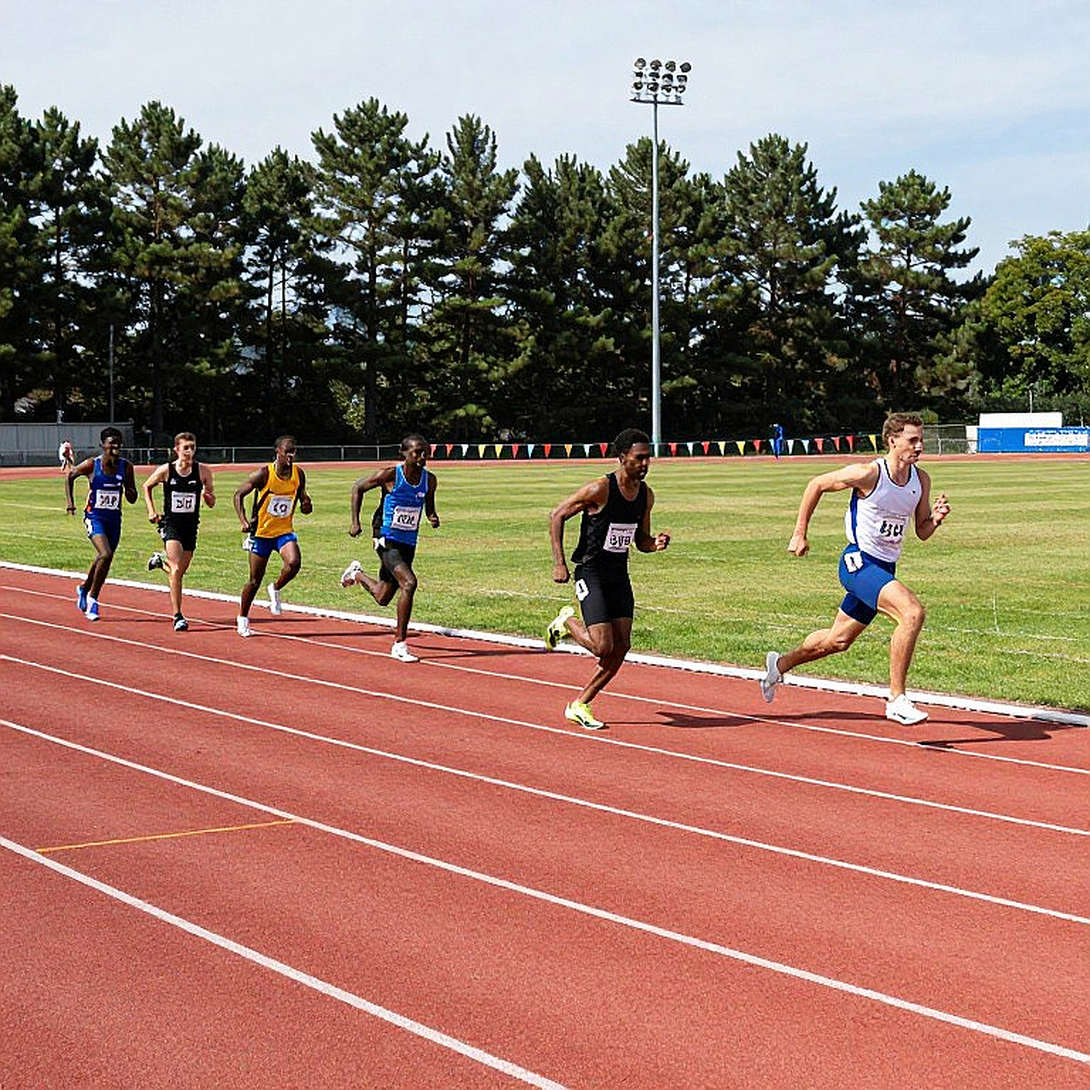
The 54th National Athletics Championship is, by its name, Pakistan's domestic senior championship, past fifty editions old. The report carries no calendar date, only 'Thursday.' One clue survives: Arshad Nadeem is described as an 'Olympic gold medallist,' which places the meet after Paris 2026. I cannot pin the edition year, and when I cannot pin something I do not print it.
The facts the report does give are few: Mahnoor won the women's 5,000m race walk in 32:32.40; the men's 20km walk was decided the same day without a listed time; total prize money stood at Rs 9 million across all events and medals; and the inauguration was at 5pm, which suggests evening sessions — the standard domestic strategy against heat.
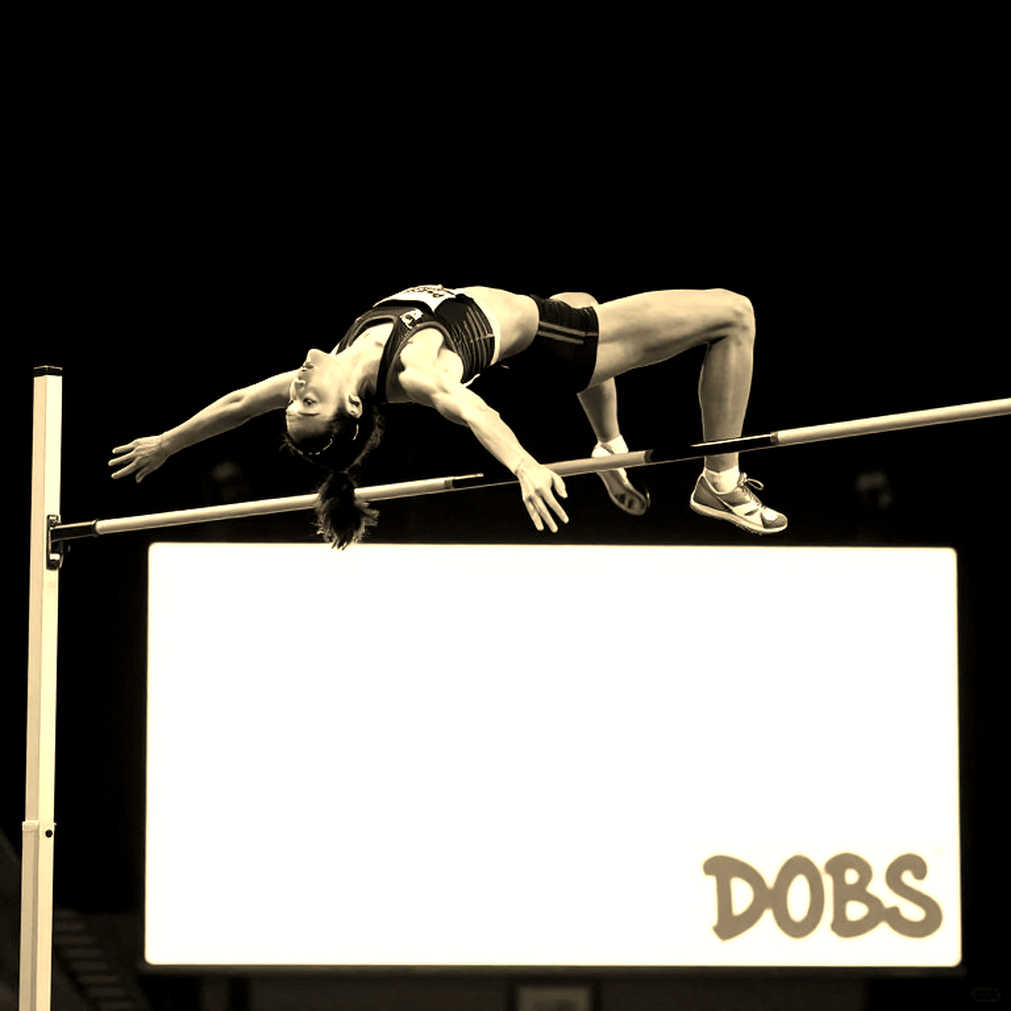
One thing has to be settled before any of this can be read properly: race walking is not a race, it is an inspection with a race attached. The rule is simple — one foot must maintain contact with the ground, and the advancing knee must be straight at the moment of contact. Three red cards from three different judges for loss of contact or a bent knee and the athlete is out. A time in this discipline is therefore never the whole evidence. A time needs cards, lap splits and a field size beside it.
The pattern feels familiar. In ten years of calling track events, the hardest part on air has never been reading out a time; it is explaining what the time was built inside. A crowd does not react to 32:32.40. It reacts when told that a judge raised a card in the last two laps and the athlete changed rhythm to protect herself. That detail is not in the report.
Now the arithmetic. Five thousand metres in 32 minutes 32.40 seconds is 1,952.4 seconds in total, an average of 390.5 seconds per kilometre — 6:30.5 per kilometre, or 9.22 km/h. On a 400m track that is 156.2 seconds a lap, 2:36 apiece.
For a solid reference point, take the Paris 2026 Olympic entry standard for the women's 20km walk: 1:29:20. That is 5,360 seconds for 20km, or 268 seconds per kilometre — 4:28. Mahnoor's pace is roughly 46 per cent slower per kilometre. And the comparison flatters her, because 20km pace is normally slower than 5km pace; long distance eats speed. Over 5,000m the pace should look faster, and here it sits below even the world's 20km level.
Carry the arithmetic forward. If today's pace held over 20km, the time would be 7,810 seconds — 2:10:10. That is about 41 minutes outside the Olympic standard. This is a developmental domestic mark, not an internationally meaningful performance. I say that flatly, not dismissively. It needs saying because the phrase 'national championship gold' makes a reader's mind assume a level that is not present here.
Placing the mark inside an international frame is difficult for a second reason: the 5,000m walk is not a World Athletics championship event. Senior women's championship walking is contested over 10km and 20km, and no entry standard exists for this distance. That gap belongs to the structure, not the athlete — when a domestic federation picks a short distance for its calendar, its athletes' times have nowhere to sit on an international table. That, to me, is the most useful part of this story.
Then there is what is missing. In race walking, judging data is half the performance document. Here there are no lap splits, no card counts, no indication of how many women started, no runner-up time. That does not mean the gait was illegal; it means I cannot check. In a discipline where three red cards take a title away, a time without card data is half a result. This is the habit I call the attention audit: I ask what did not get printed, because what did not get printed usually tells you more.
The second structural signal is the distance itself. The men walked 20km the same day; the women walked 5,000m. A four-fold gap. Internationally, senior women's championship walking is 10km or 20km. Holding it at 5,000m domestically usually means one of two things — the women's endurance-walk base is too thin to fill a 20km field, or the programme was shortened for scheduling. Neither reading is good news, and neither is stated in the report.
Money is a split too. Rs 9 million across every event and medal is a serious sum by South Asian domestic standards. Divide it by the number of athletes and it becomes the old story: money on the podium, not on the preparation. Pakistan also runs a departmental system — Army, WAPDA, PIA and similar sides employ athletes — and that is the real professional contract, not the prize purse. The report names no athlete's department, coach or district. I cannot tell you whose payroll Mahnoor is on; I can only tell you nobody asked.
There is a convenient conclusion available here and I want to avoid it: that 32:32.40 is weak, therefore this is not news. That would be hasty on two counts.
First, category. Whether this 5,000m was a senior women's event or a junior/youth race folded into the senior programme is not settled by the report. If it was a junior field, the reading changes — the mark becomes evidence of development rather than its absence. Without category, age or field size, I will not weigh this time against a senior standard and call it a verdict.
Second, and more important: Sindh's first gold is not a small piece of information. A province opening its account at a national championship is a story about entry politics and the distribution of resources. The day a province's first athlete wins nationally, the second one becomes easier to build. That effect comes from being recorded, not from the clock. Which is why the missing surname, district and coach bother me. Three mispronounced names taught me that a microphone is a responsibility before it is a voice; here the failure is not pronunciation but identity. An athlete whose full name is not in the archive will not be found by anyone in the next cycle.
Third, and this is what rankles most: a national championship that prints a winning time but not a field size, a card count or a runner-up time is not building its own archive. Ten years from now no researcher will be able to rate the standard of the 54th edition. I have seen the same thing around Federation Cup weekends in India — results arrive, context does not. Attention is a resource and its budget is cut every cycle; four years after an Olympics that budget approaches zero.
What to watch next is clear enough. Whether the women's walk moves from 5,000m to 10km at the next edition will say in one line whether the federation is building a base or handing out titles over a short course. Whether judging cards and field sizes start appearing beside results. Whether Sindh sends two walkers next year instead of one.
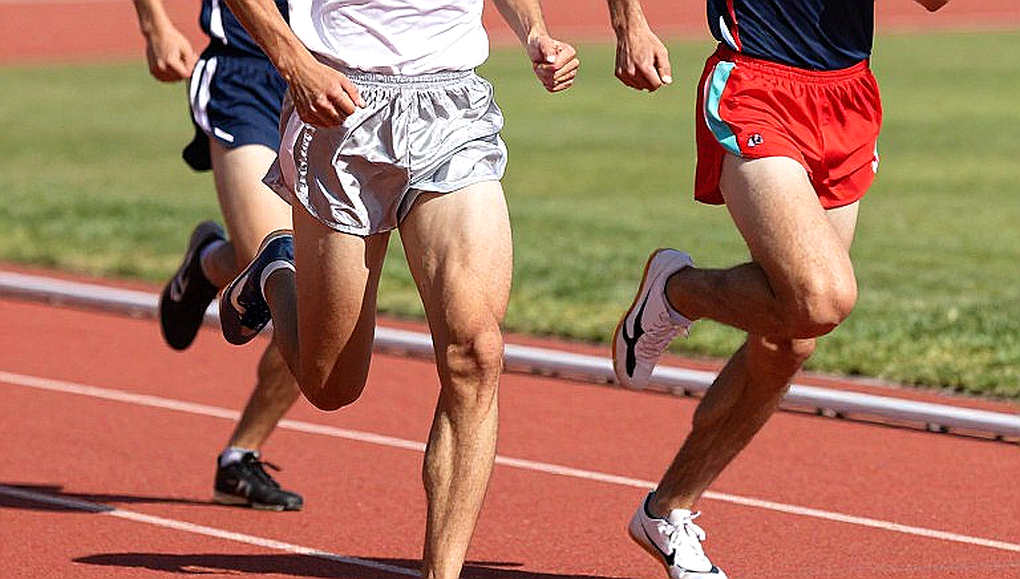
And the question I will keep on my own microphone: a time nobody can check — is it a record or a rumour? Mahnoor's 32:32.40 is waiting on that answer, and the answer will come from paper, not from a clock.