The vial was filled before Sydney: Jepchirchir's EPO case and the question that arrived after the podium
**मुख्य उत्तर** पेरेस जेपचिरचिर को एथलेटिक्स इंटीग्रिटी यूनिट ने अनंतिम रूप से निलंबित किया, क्योंकि सिडनी मैराथन से पहले केन्या में लिए गए आउट-ऑफ-कॉम्पिटिशन सैंपल में EPO पॉज़िटिव आया। 30 अगस्त 2026 को उन्होंने 2:18:31 में रेस जीती थी। यह अंतिम दोषसिद्धि नहीं है। **मुख्य तथ्य** - सैंपल केन्या में, दौड़ से पहले, आउट-ऑफ-कॉम्पिटिशन लिया गया — 30 अगस्त 2026 की सिडनी जीत से पहले। - सिडनी मैराथन 2025 में अबॉट वर्ल्ड मैराथन मेजर्स का सातवाँ रेस बनी। - जेपचिरचिर टोक्यो 2020 ओलंपिक चैंपियन (दौड़ 2021 में) और सितंबर 2025 विश्व चैंपियन हैं। - सिडनी में उनका समय 2 घंटे 18 मिनट 31 सेकंड; आइरीन चेपेट चेप्टाई से तीन मिनट से अधिक का अंतर। - EPO लाल रक्त कोशिकाओं का उत्पादन बढ़ाता है और यूरिन या खून में केवल छोटी अवधि तक पकड़ा जा सकता है। **स्रोत** एथलेटिक्स इंटीग्रिटी यूनिट की आधिकारिक सूचना (2026); सिडनी मैराथन परिणाम, 30 अगस्त 2026। **संबंधित प्रश्न-उत्तर** प्रश्न: क्या जेपचिरचिर दोषी साबित हो चुकी हैं? उत्तर: नहीं — यह अनंतिम निलंबन है; अंतिम निर्णय बी-सैंपल और AIU अनुशासनिक प्रक्रिया के बाद आएगा। प्रश्न: EPO क्या है और यह क्यों मुश्किल से पकड़ा जाता है? उत्तर: यह गुर्दों में बनने वाला प्राकृतिक हार्मोन है जो लाल रक्त कोशिकाएँ बढ़ाता है और बाहर से इंजेक्ट किए जाने पर कुछ ही दिनों तक पहचाना जा सकता है। प्रश्न: सिडनी मैराथन का खिताब किसे मिलेगा? उत्तर: केस तय होने तक अनिश्चित; आरोप पुष्ट होने पर परिणाम आइरीन चेपेट चेप्टाई के पक्ष में संशोधित हो सकता है।
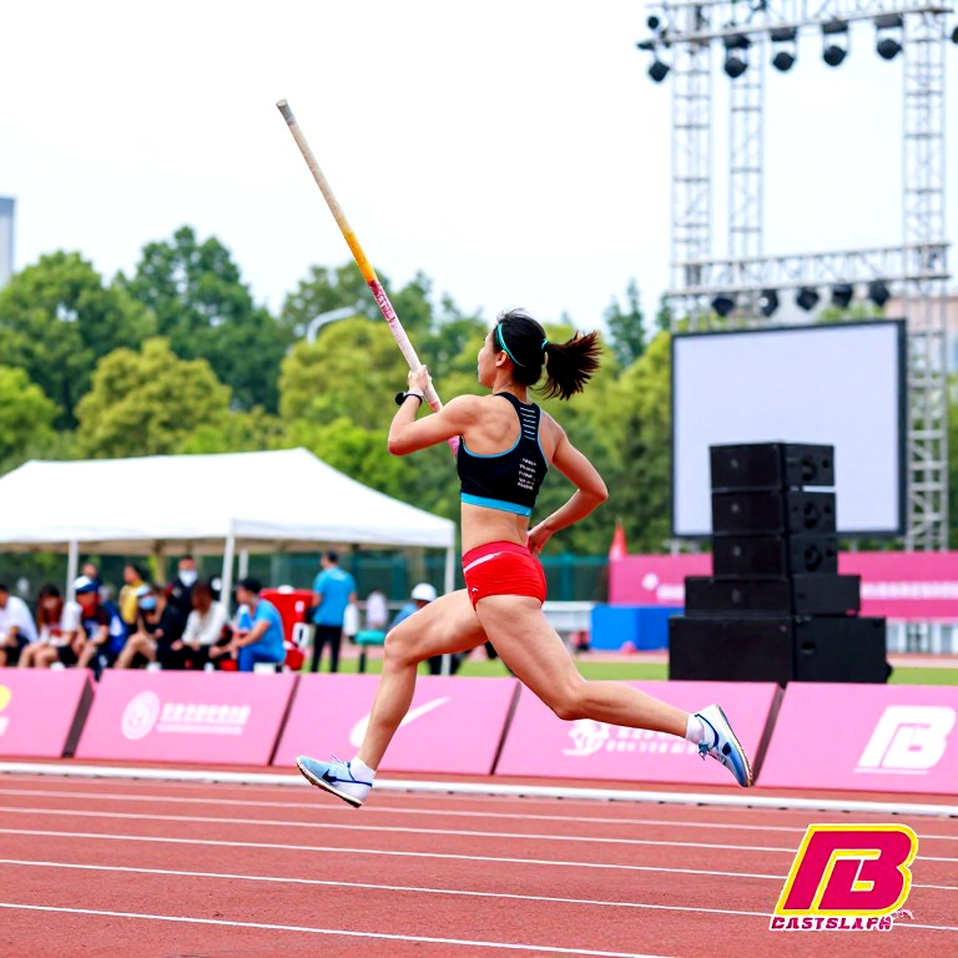
The urine sample was sealed before the flight to Sydney. On 30 August 2026, when Peres Jepchirchir crossed the line in two hours, 18 minutes and 31 seconds to win the Sydney Marathon, more than three minutes clear of Irene Chepet Cheptai, the vial filled back in Kenya was still waiting its turn at a laboratory. I did not freeze the frame on the finish line that day. I froze it on the morning a testing officer sealed the bottle, because that is where this case's real timeline begins.
The Athletics Integrity Unit (AIU) has provisionally suspended the 33-year-old after an out-of-competition sample returned an adverse finding for erythropoietin (EPO). The sample was collected in Kenya, before the race. So by the evening the Sydney medal went around her neck, a case had already been opened — the result simply had not been read yet.
The results sheet was clean. The race was not.
EPO is not a foreign poison
It is a natural hormone produced in the kidneys that stimulates the creation of new red blood cells. Injected from outside, it raises the red-cell count and pushes more oxygen to the muscles — over 42 kilometres, that is the difference between a win and a footnote. The difficulty is detection: in urine or blood it shows up only inside a narrow window. The week no injection was given, the test says nothing at all.
The AIU is the independent body that runs anti-doping for World Athletics separately, and a provisional suspension means only this: the athlete cannot race until the case is decided. It is not a verdict. It is the race being stopped.
Jepchirchir's record needs no introduction. Olympic champion at Tokyo 2026 (the race was held in 2026), then back in Tokyo in September 2026 for the World Championships title, the New York Marathon in 2026, Boston in 2026, London in 2026. Half-marathon world records in 2026 and then three times in 2026. Her 2:18:31 in Sydney matters for one more reason: in 2026 that race became the seventh Abbott World Marathon Major — a new major, a new prize purse, a new appearance-fee market.
Three minutes is not evidence
The first thing to settle is that the margin is not testimony. Put the base rate first: a new major like Sydney has limited field depth, a rolling course, and a strong athlete finishing three minutes clear of second is unremarkable. Anyone trying to convert the clock into proof is freezing the wrong frame.
The frame I froze is the morning of collection. The EPO case is less a case about chemistry than a case about the calendar. If the identification window is a few days long, the question is not how good the lab is — it is why a testing officer happened to be at that place in that week. An out-of-competition sample taken in Kenya before the race is the product of an unannounced visit. The catch was part of a plan, not a coincidence.
That is where the second tell sits. The AIU publishes aggregate testing numbers every year, but those tables do not show how often officers reached any single training base. Iten and the camps around it sit roughly 2,400 metres above sea level, where simply living there shifts haemoglobin and reticulocyte values. That is why a lone movement in the athlete biological passport is never treated as sufficient; a molecule-level finding — identifying EPO that came from outside the body — belongs to a different evidentiary class. That technical ground is where this hearing will be fought.
The third tell is economic, and it is the least examined. A seventh major means one more race a year with a bigger trophy, purse and marketing value. Anti-doping budgets do not scale with prize money. The number of races, flights, appearance fees and season congestion rises; the number of testing officers does not rise in proportion. A new major is market expansion for athletics, and a new surveillance gap at the same time.
In 2026 I ran the line for 14 Bangalore district league matches and tagged 340 contested decisions frame by frame across that season. The work taught me one thing: never infer the process from the outcome. Here too, the question is not first “did she do it” but “what was caught, when, and inside which window”.
Not a win for the system — a hole in it being plugged
The easy reading is that the system caught one, so the system works. I look the other way. An EPO positive is not a victory; it is one hole being plugged, and holes get plugged only when an officer is in the right place in the right week. The window in which the drug is visible is so short that a single positive does not justify the assumption that this was the only occasion. That is why the real evidence here is not the bottle but the long line of the passport — months of reticulocyte, haemoglobin and OFF-score trend.
The second point: our audience reads “provisional” as a verdict. In a referee's language, this is not a red card, it is the match being halted. The B sample, the athlete's explanation, a disciplinary tribunal and then a CAS appeal will run for months. At 33, the calendar is itself a sanction: even a full acquittal costs a season, a major's purse and ranking points. And if the charge is upheld, a four-year suspension under the rules ends a marathon career.
And the third thing nobody will say: the Sydney title is a placeholder right now. If confirmed, the record book will carry a different name as the seventh major's first women's champion, and the archive will keep that race forever stamped with a date. The crowd left, but the field kept testifying.
Three things to watch: the B sample, which way the older biological-passport readings point, and whose name the Sydney crown ends up with. A fourth question belongs to the system — will the AIU now publish how many out-of-competition samples were collected in Kenya across July and August 2026? If that number is small, this case is not a catch but a coincidence. And if Sydney had never become the seventh major, would that vial have been filled at all?