
The First Cricket Report: Why Conclusions Were Withheld Without Evidence
मुख्य उत्तर: उपलब्ध Stage-1 विश्लेषण में मूल लेख, स्रोत, तारीख, टीम, खिलाड़ी, मैच और प्रारूप का विवरण नहीं है। इसलिए विश्वसनीय क्रिकेट निष्कर्ष देना संभव नहीं; पहले मूल स्रोत बरामद करना होगा। मुख्य तथ्य: - वर्गीकरण केवल `cricket_asia` है। - मैच, टीम और खिलाड़ी की पहचान उपलब्ध नहीं। - प्रारूप, स्थल, मौसम और स्कोरिंग डेटा अनुपस्थित हैं। - ICC रैंकिंग या लीग संबंधी निष्कर्ष समर्थित नहीं। स्रोत: प्रदत्त Comprehensive Cricket Analysis Report; प्रकाशन तारीख उपलब्ध नहीं। संबंधित प्रश्न: प्रश्न: क्या किसी खिलाड़ी का प्रदर्शन आंका जा सकता है? उत्तर: नहीं, क्योंकि खिलाड़ी का नाम और प्रदर्शन आंकड़े उपलब्ध नहीं हैं। प्रश्न: अगला आवश्यक कदम क्या है? उत्तर: मूल लेख, प्रकाशक, तारीख और पूर्ण सूचना बिंदु उपलब्ध कराना।
New Delhi: The first and most important fact in the available cricket analysis is not a match result, a player performance, or a team position. The record states only that the material was broadly classified under Asian cricket. The original article, headline, source, date, teams, players, and competition are absent. Building a report on victory, defeat, tactics, or selection from such a file would be guesswork rather than journalism.
Hook: The Empty Space in the File
In cricket reporting, the most important line sometimes appears not on the scorecard but in the empty space around it. The Stage-1 analysis examined eight separate dimensions, yet each section returned the same conclusion: information is unavailable. The format is unknown. The venue is unknown. Weather, toss, innings progression, bowling changes, and final result are not recorded. No player is named, so batting average, strike rate, economy rate, or injury history cannot be discussed.
Years of watching matches and reading scorebooks have taught me that a cricket number has meaning only when its circumstances are recorded. Forty-five runs in a fourth-innings Test chase and 45 runs in a T20 powerplay are different events. The situation is missing from this file.
Context: An Asian Cricket Label Is Not Enough
A classification such as cricket_asia provides only a broad direction. It does not establish whether the subject concerns India, Pakistan, Bangladesh, Sri Lanka, Afghanistan, or another cricketing entity. It also does not reveal whether the matter involves international cricket, a domestic competition, a franchise league, or an administrative dispute.
That is why no comment can responsibly be made about ICC rankings, the World Test Championship, or a team’s home-and-away strength. Test, ODI, and T20 cricket require different measures. A fourth-innings chase matters in Tests; middle-over control matters in ODIs; powerplay and death-over execution matter in T20s. Without knowing the format, tactical analysis has no defensible base.
The venue is missing as well. Pitch conditions, dew, heat, altitude, and boundary dimensions can be decisive in Asian cricket. A rain-affected match may require a DLS assessment, while the same factor would be irrelevant in a completed five-day contest. None of these conditions is confirmed.
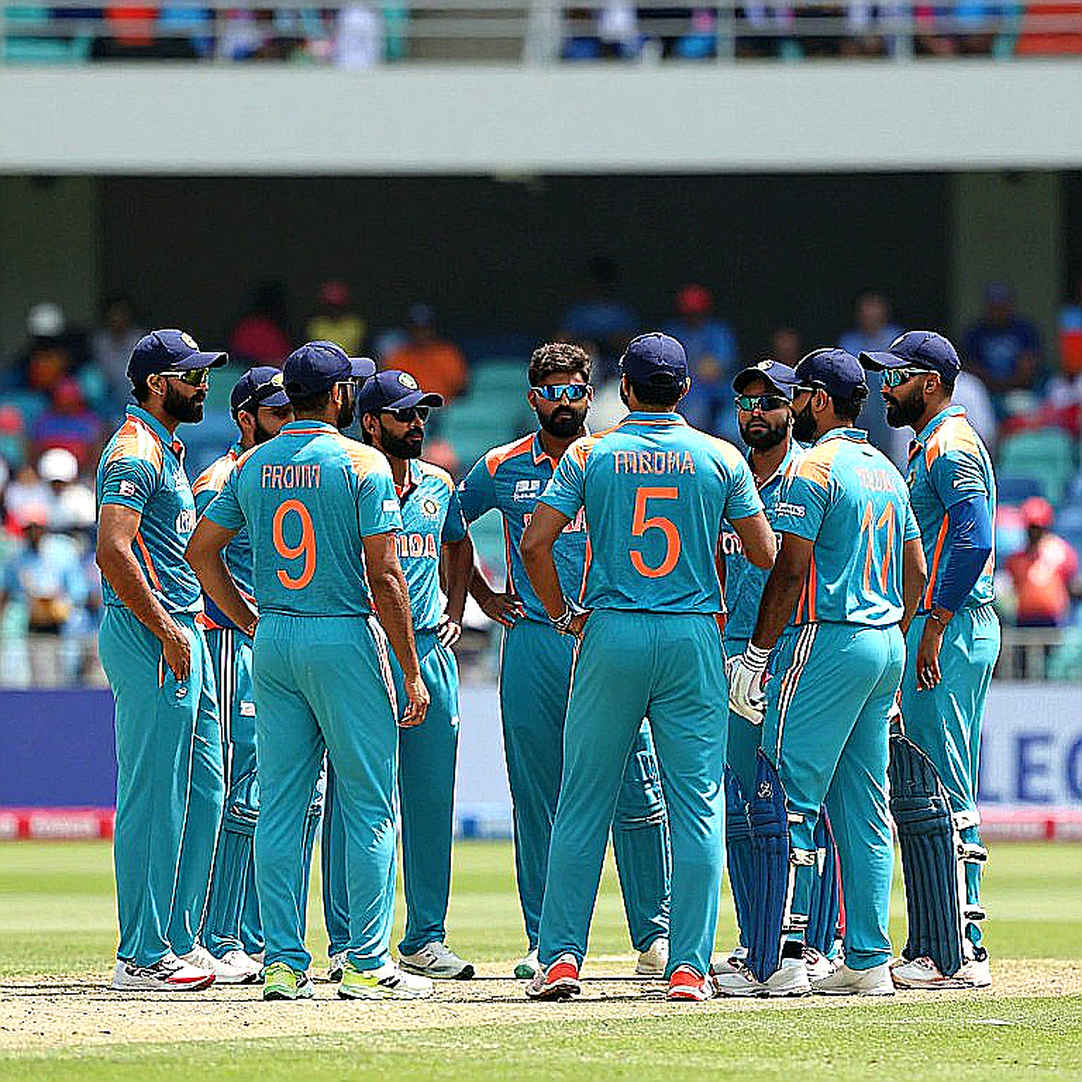
Core Finding: Empty Data Cannot Produce a Player or Team Assessment
The central conclusion is about the source, not the sport: a reliable cricket report cannot be prepared without the underlying information. Calling a batter an emerging star, a bowler a weakness, or a captain tactically successful requires an identifiable match, performance data, and context. All three are absent.
The player-level problem is straightforward. Batting average, strike rate, bowling average, and economy rate depend on format. Home numbers can conceal away weaknesses. A small sample can make one innings or one spell appear more important than it is. Age, workload, and injury exposure require a named player and a recent match record. Without those facts, any career assessment would create false confidence.
Team analysis faces the same obstacle. Batting depth, bowling balance, bench strength, age profile, rivalry history, style matchups, and knockout performance require a squad list and a results record. No team, captain, selector, or coach has been identified.
There is no evidence for a commercial or governance story either. The file names no IPL, PSL, BBL, SA20, or other league. Auction prices, wages, broadcast rights, franchise valuations, or national-team scheduling conflicts therefore cannot be assessed. A high transaction value would not, by itself, prove international sporting quality.
Contrarian Angle: Do Not Treat Silence as a Crisis
Sports coverage often treats missing information as evidence of a hidden controversy. That would also be wrong here. The file contains no proof of corruption, match-fixing, eligibility disputes, injury, retirement, contract conflict, or political tension. This does not prove that such risks do not exist; it means only that the available document does not establish them.
The Asian classification cannot create a geopolitical story by itself. India-Pakistan scheduling, board revenue disputes, ICC regulations, or broadcast-market consequences require named parties, decisions, and dates. A three-year-old administrative filing cannot be placed beside a current squad announcement without a verified timeline. A document without a date remains incomplete.
The same caution applies to public expectations. No media reaction, fan sentiment, social-media evidence, transfer rumour, or auction report is supplied. It is therefore impossible to judge whether the market is overrating a team or assigning unrealistic expectations to a player. Measuring the gap between narrative and performance requires evidence on both sides.
Takeaway: The Next Signal
The next step is practical. The original article, publisher, publication date, and complete Stage-1 information points must be recovered. Teams, players, boards, leagues, and format can then be identified. Scorecards, official statements, rankings, contracts, and investigation documents can be checked against each claim.
Every franchise keeps a binder, and every rumour leaves a paper trail. In this case, the file has not yet been opened. The next question is whether the recovered record will reveal a match, change a player valuation, or show that the noise was never attached to a verifiable cricket event.