
The New Politics of Asian Cricket: Calendar, Revenue and the Triangle of Control
एशियाई क्रिकेट की बहस सिर्फ भारत-पाकिस्तान मुकाबले तक सीमित नहीं है। असली तीन मुद्दे हैं: पहला, अंतरराष्ट्रीय कैलेंडर में जगह की कमी, जिसमें हर नई टूर्नामेंट विंडो किसी पुरानी विंडो की कीमत पर बनती है और सबसे ज़्यादा नुकसान छोटे सदस्य देशों के दौरे तथा घरेलू कैलेंडर का होता है। दूसरा, राजस्व का केंद्रीकरण — चूंकि वैश्विक प्रसारण अधिकारों का सबसे बड़ा हिस्सा एशियाई बाज़ार से आता है और उसमें भी सबसे बड़ा योगदान एक ही बोर्ड का है, इसलिए निर्णय लेने की शक्ति भी उसी के पास केंद्रित होती है। तीसरा, फ्रेंचाइज़ी लीगों का समानांतर वर्चस्व, जिससे राष्ट्रीय टीमों को अपने सर्वश्रेष्ठ खिलाड़ी सबसे ज़रूरी समय पर नहीं मिलते। एशियाई क्रिकेट परिषद मौजूद है, लेकिन वह प्रभावशाली बोर्डों की सहमति पर निर्भर है, इसलिए विवादों का समाधान तकनीकी नहीं, बातचीत आधारित होता है — 'हाइब्रिड मॉडल' इसी की उपज है। सुधार के लिए नई संस्था की ज़रूरत नहीं, बल्कि तीन चीज़ों में पारदर्शिता चाहिए: कैलेंडर का तर्क, राजस्व बंटवारे का आधार, और छोटे बोर्डों की भागीदारी।
Discussions about Asian cricket tend to collapse into the India-Pakistan fixture. That is understandable: it is the continent's most valuable broadcast property. But understanding the game's structure through that single axis is incomplete. Three separate pressures are operating at once: an increasingly crowded international calendar, the dominance of franchise leagues, and a revenue model that concentrates decision-making power in very few hands. These look like separate debates; in practice they are three parts of the same mechanism.
The calendar: too many claimants, too few windows
The international calendar is now a road whose lane count has not changed while the traffic grows every year. Bilateral series, tri-series, the Asia Cup, World Cup qualifying, new pathways toward Olympic qualification, and domestic franchise leagues all need dates. Every new window is created at the expense of an existing one. When a board needs a tournament to secure a major broadcast contract, the cuts usually land where immediate revenue looks thinnest: associate and emerging members' tours, or first-class domestic scheduling.
The effect is twofold. Player workload rises, and smaller members lose any reliable map for preparation. No national side can plan two years ahead without knowing when, where and against whom it will play. Calendar uncertainty translates directly into performance quality.
What the Asian Cricket Council actually does
The ACC was built on an idea of regional cooperation: organising fixtures between member nations and accelerating development. In practice, its greatest strength and its sharpest limitation are the same thing: it functions only with the consent of the boards that dominate the market. When hosting decisions become entangled with political disputes, resolution comes through negotiation rather than technical process, and the side with the most alternatives wins.
The 'hybrid model' debated in recent years is the clearest example. When hosting rights and participation conditions collide, the compromise is to stage one tournament across several countries. It is a workable settlement, but it has a cost: the fan experience fragments, the host nation's economic stake shrinks, and a template is opened for every future dispute.
Revenue: where power actually sits
Almost every argument about cricket politics eventually arrives at broadcast revenue distribution. Globally, most media rights derive from Asian markets, and within them the largest share comes from one country. The board that generates the most revenue is therefore naturally positioned to decide what the programme looks like, who hosts, and who does not.
This is not simply a question of fairness; it is a structural problem. When an organisation's budget depends primarily on one member's contribution, that member's absence or objection can stall the entire system, and everyone else's bargaining leverage shrinks accordingly. That is why reform demands in Asian cricket consistently stall at the revenue-sharing question.
Players: central to the system, absent from the decisions
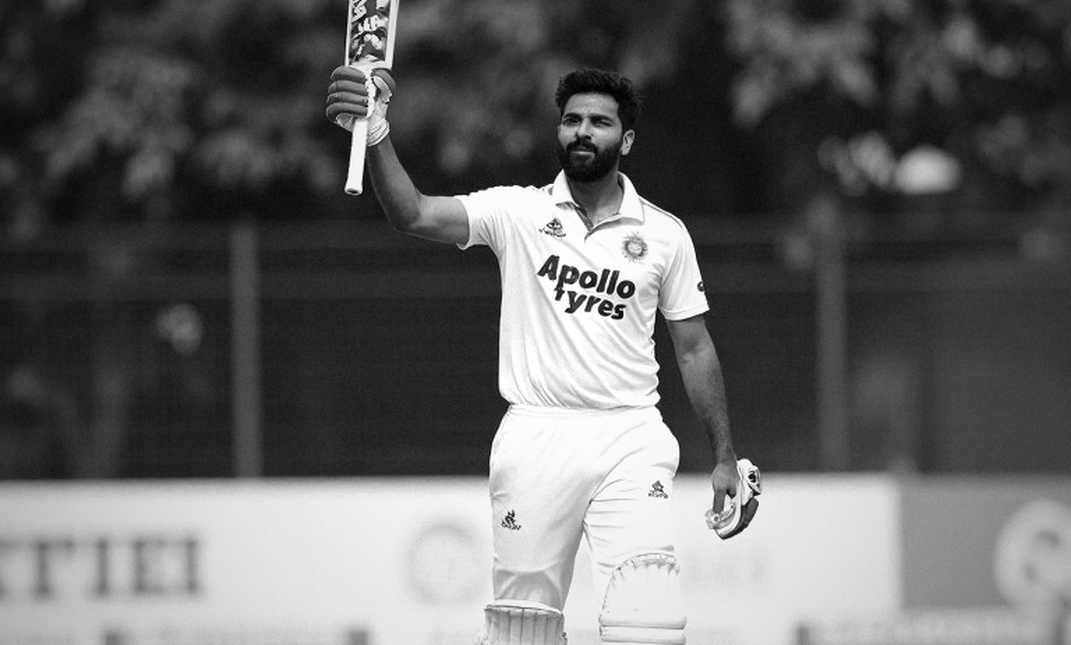
The paradox is that the system's most valuable resource, the player, is the weakest link in its decision-making. A crowded calendar, constant format changes and the league-versus-country tug-of-war all land on the same person. Player associations were formed to close this gap, yet in the debate where their voice matters most they are frequently heard least.
Workload conversations typically begin after an individual breaks down and end when the next tour begins. That is a reactive approach, not a structural one. A durable fix requires formal participation for player representatives in window allocation, not merely a consultative role.
Franchise leagues: a parallel economy
Franchise cricket in Asia is no longer a supplement to the international calendar; it is its parallel version. It is the most dependable income source for players, the most stable product for broadcasters, and the easiest entry point for audiences. For national teams it means being unable to field their best players precisely when they need them.
This is not only a calendar conflict. It is a conflict of priority: for a given country, is international cricket the measure of development or merely a measure of performance? As leagues become the more attractive stage, a young player faces a harder question about which path builds a career.
Smaller members: the development promise versus reality
Asian cricket's real test lies with emerging nations. Sides such as Nepal, Oman, the UAE and Hong Kong operate with limited infrastructure, thin domestic structures and no stable income. They need high-quality fixtures as much as they need financial support.
The model so far has been largely tournament-based: an occasional major event that helps for a few days before conditions revert. Investment in training facilities, coach development, women's structures and junior programmes is the slower path that genuinely changes outcomes, and it is directly tied to how revenue is shared.
Women's cricket: more opportunities, same conditions
Asian women's cricket has improved sharply in quality over recent years, with the Women's Asia Cup and growing bilateral fixtures as evidence. Structural gaps remain: fewer matches, limited broadcast coverage, and in several member nations no permanent domestic women's structure at all. The platform now exists, but it has not yet become a staircase.
What comes next
Asian cricket does not need a new institution. It needs transparency within the existing one: on what logic the calendar is built, on what basis revenue is distributed, and what role smaller boards play in decision-making. Until those three questions are answered publicly, every major reform will look like paper.
The continent has the world's largest cricket market, its deepest talent pool and its most committed audiences. That imbalance is not the result of that capital; it is the result of how that capital is divided. That is where the real contest will be.