
Wellington Rain and the Siraj Question: The Team Sheet That Gets Written Before the Weather Does
**कोर उत्तर (≤60 शब्द):** भारत और न्यूज़ीलैंड के बीच पाँच मैचों की ODI सीरीज़ के दूसरे मुक़ाबले की तैयारी वेलिंग्टन में लगातार हो रही बारिश से बाधित है; भारत ने अपना बाहरी अभ्यास सत्र रद्द किया, न्यूज़ीलैंड ने अभ्यास इनडोर किया, और मोहम्मद सिराज की उपलब्धता से भारत के गेंदबाज़ी संयोजन पर अनिश्चितता बढ़ गई है। **मुख्य तथ्य:** - पाँच मैचों की द्विपक्षीय ODI सीरीज़ का दूसरा मुक़ाबला वेलिंग्टन में शनिवार को निर्धारित; मैच-डे पर तेज़ बारिश का पूर्वानुमान। - भारत ने बाहरी नेट सत्र रद्द किया; न्यूज़ीलैंड ने अभ्यास इनडोर शिफ़्ट किया। - दोनों टीमों को 5 नवंबर की यात्रा के बाद केवल एक अभ्यास सत्र मिला। - मोहम्मद सिराज India A कर्तव्य पूरा करके टीम में जुड़े; उपलब्धता की पुष्टि, अंतिम एकादश की घोषणा नहीं। - ब्लेयर टिकनर शीतकालीन चोटों से उबर रहे हैं; ऑकलैंड में चार छक्के लगाए। - अभिषेक शर्मा की 38 गेंदों पर 113 रन की पारी का प्रारूप स्पष्ट नहीं; स्ट्राइक रेट 297.37। **स्रोत:** मूल प्रकाशन और प्रकाशन तिथि उपलब्ध सामग्री में नहीं दी गई; आँकड़े और उद्धरण मूल रिपोर्ट के अनुसार प्रस्तुत। **संबंधित प्रश्न-उत्तर:** - प्रश्न: क्या मोहम्मद सिराज दूसरे ODI में खेलेंगे? उत्तर: केवल उपलब्धता की पुष्टि हुई है; अंतिम एकादश टॉस के समय तय होगी। - प्रश्न: बारिश से मैच बाधित होने पर क्या होगा? उत्तर: मैच के दौरान व्यवधान पड़ने पर DLS पद्धति के तहत लक्ष्य संशोधित किया जाएगा। - प्रश्न: क्या अभिषेक शर्मा की 113 रन की पारी को उनके ODI फ़ॉर्म का प्रमाण माना जा सकता है? उत्तर: नहीं, क्योंकि उस पारी का प्रारूप स्पष्ट रूप से स्थापित नहीं है।
For forty-five years I have kept one habit while watching cricket: I record the date of every cancelled practice session too. On Saturday morning the covers were on in Wellington, India's outdoor net session was called off, and New Zealand moved their practice indoors. No scorecard will ever note that one team spent that hour feeling the wind and the other did not.
My registers hold scorecards going back to 2026 — fourteen hundred names, three hundred maidans — and those pages taught me one thing: a match is often decided by the thing nobody writes down. The ledger was yellow before anyone thought to make it digital. This second ODI in Wellington is a fresh page in that old book. On paper it is the second of five; on the ground it is a collision between two arguments — the weather argument and the selection argument.
Context: five matches, one wet ground, and a very small preparation account
Both sides travelled on 5 November and have had exactly one practice session since. In a five-match bilateral series that is normal and expensive at the same time. Recovery, video work and skill-specific practice all compete for the same narrow hours, and when rain takes the hour, none of the three is completed.
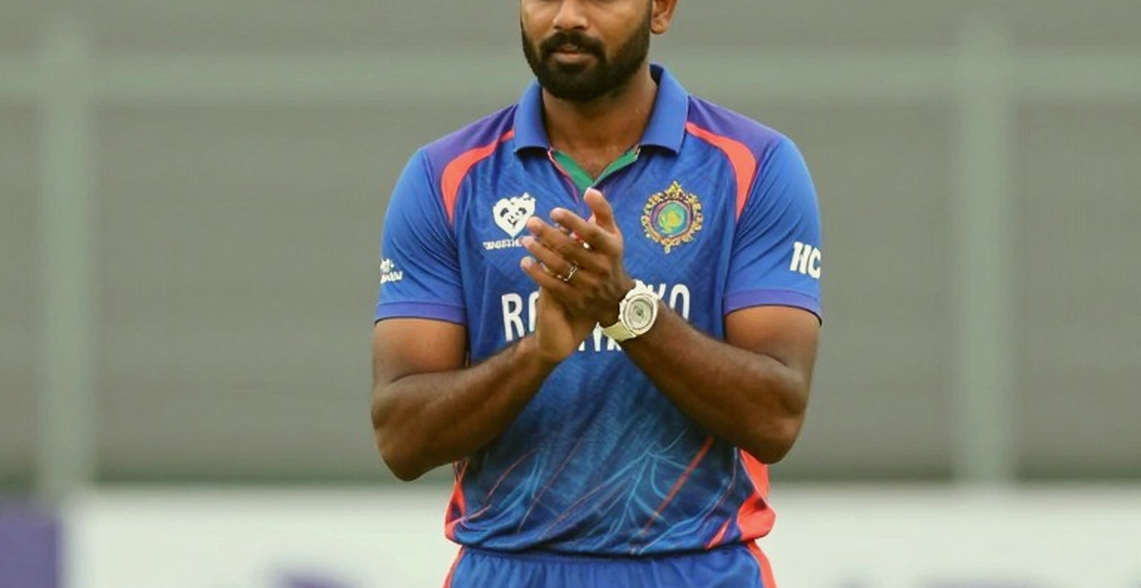
Wellington's geometry differs from Auckland's in a very practical way. Eden Park has a short straight boundary; Wellington's ground has a shorter square boundary. Where the straight boundary is short, a full-length ball arrives in front of the fattest part of the bat and becomes a scoring shot. Where the square boundary is short, anything with width can clear the rope through cut and pull. For a bowler that is two different instructions: change your length in one place, change your line in the other. What worked in Auckland can be expensive in Wellington — and that is a cost no team enters into its selection budget.
New Zealand's intent has been stated plainly. Blair Tickner has named early wickets as the priority. On India's side, Mohammed Siraj has joined the squad after his India A commitments and his availability is confirmed, but the final XI has not been announced. Talk of competition with Nabi sits inside that uncertainty, though his precise role and claims remain thinly documented.
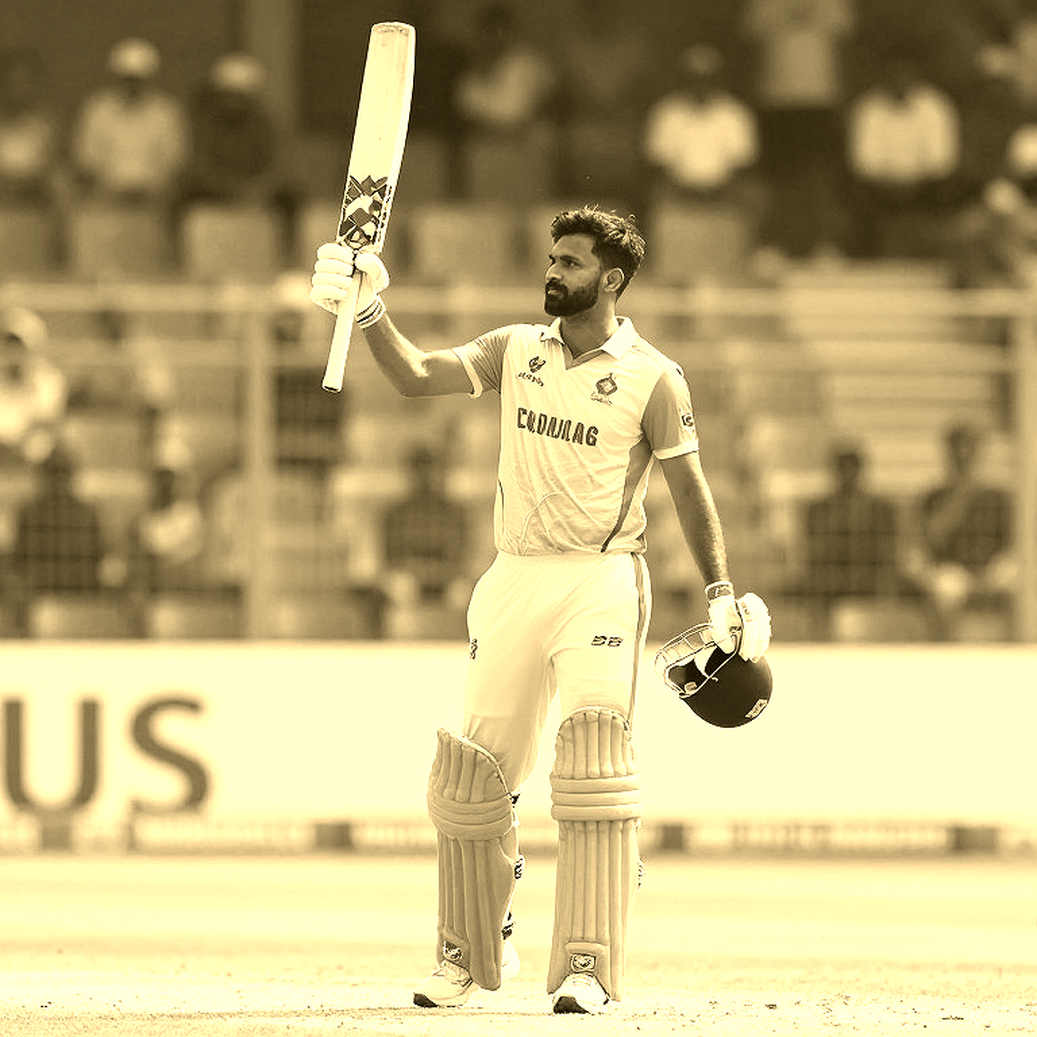
The India A to senior route is a document nobody issues a press release about. I found the pathway in a notebook nobody had opened since 2026 — which season, which ground, who took the new ball and who was held back as first change. That is the paper that tells you a fast bowler's role is decided by his share of overs, not his reputation.
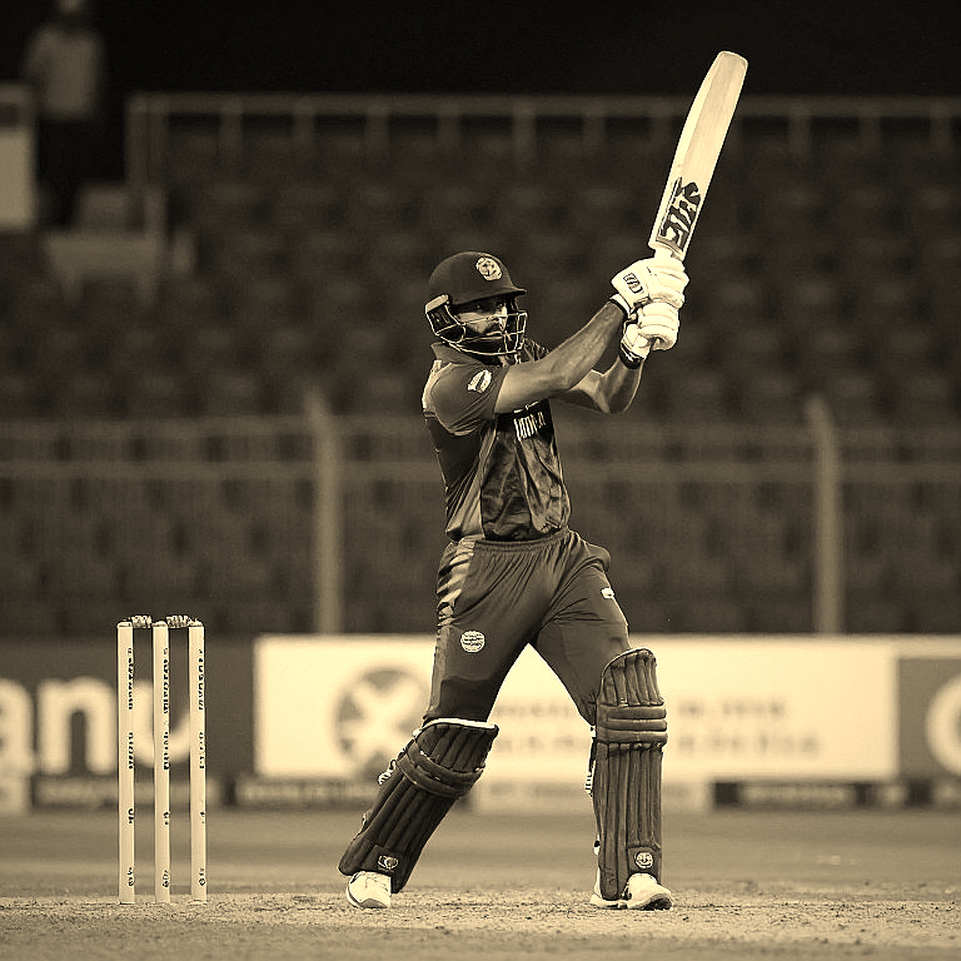
Core: the four things that will actually move this match
New Zealand's attacking start comes with a bill attached. Tickner's comment is honest and risky. An aggressive opening means slips, gullies and short midwickets — which means India's top order can lose three wickets in the first fifteen overs, and can also take four boundaries an over in them. The plan pays only if the new ball is moving. If the wind and moisture offer nothing, three wickets in fourteen overs costs six runs an over.
The weather carries a detail that usually gets skipped. If rain reduces this to twenty-five overs, New Zealand's attacking plan becomes more valuable, not less, because in a short match a wicket appreciates faster than runs. A revised target under DLS is built on a wicket-heavy calculation, and the side that takes early wickets collects on that calculation. Rain does not weaken New Zealand's strategy; it sharpens it.
Siraj's selection is being argued in the wrong direction. The question is not whether Siraj is a better bowler than Nabi; the question is what role this specific match needs. In a fifty-over game a new-ball specialist gives you six to eight overs of direct value and returns at the death. In a twenty-over game the same bowler's value compresses into four overs, and the side loses the middle-overs controller it actually needed. The team sheet should be written twice — once for fifty overs, once for a short match. Teams that do not make weather part of selection usually lose to their own plan after the toss.
Tickner's real story is not in his four sixes but in his over count. He is returning from winter injuries, rebuilding rhythm, and balancing bowling sessions against a multi-format international calendar that includes Test cricket. The four sixes in Auckland prove a useful lower-order contribution; they prove nothing about his recovery. Four sixes tell you about his bat; they tell you nothing about his knee, his shoulder or his rhythm. For a fast bowler, overs are a budget, and a bowler coming back from injury borrows against that budget. A first coach is a document that no federation ever archives — and neither is the physio's log, which records exactly how much high-intensity bowling happened in which week. That log never appears at a press conference, but the third and fourth matches of this series will be decided by it.
And then there is the innings everyone is talking about. Abhishek Sharma's 113 from 38 balls is a strike rate of 297.37. The arithmetic is clean. The format is not: the supplied information does not establish which format that innings was played in, and therefore it cannot be used as evidence of ODI form. A spectacular entry is not yet a column. My registers hold dozens of scores where a young batter touched everything for one evening and then went three months without an innings worth recording. Before the debut there are nine hundred unrecorded mornings — and selection committees routinely look at the one evening the cameras caught instead of the nine hundred they did not. That is where development cost gets paid, and the player pays the interest.
Contrarian: the damage is in the column nobody checks
The easy sentence is that India lost an outdoor session and will suffer for it. That is half true. New Zealand did not spend the day outdoors either; they went inside. Indoor nets cannot reproduce wind, humidity, light or pitch moisture. Both sides lost the same thing — outdoor information.
The real asymmetry is memory, not weather. New Zealand's bowlers grew up in these winds; they do not have to remember that Wellington's square boundary is short, because their wrists already know. India's bowlers do not carry that memory, which is why the cancelled session was not merely a session — it was the only chance to convert memory into a plan. That is the account that opens after a cancelled session, and it has exactly one entry in it: estimate.
Here is a second inversion. In the result column, rain may help India. A shortened match compresses New Zealand's local knowledge into fewer overs and turns the contest into a per-ball talent comparison. But the same rain has a second price, and it belongs to the series: a washed-out match removes the calibration fixture. If Wellington does not produce fifty overs, the third ODI becomes the first real reading of the series — and until then the Siraj question, the Tickner recovery and the whole argument about India's length will sit in the same fog. A washout is never free; it only takes a loan.
Takeaway
Watch the team sheet at the toss, not the press conference. When Siraj's first spell begins — new ball or first change — will tell you more about the selection logic than any statement did. Count Tickner's overs; do not compliment his sixes. Watch New Zealand's field in the first fifteen overs: two men in the slips means the plan is aggressive, and the bill is coming. And keep the largest question on top: will Wellington give us fifty overs? If it does not, the first trustworthy document of this series opens at the third match — and until then we will all be arguing about a team sheet that may never have walked onto a field.