
Mushfiqur's Finger, Mirpur's Silence: Bangladesh's Real Question Before the Test
**मुख्य उत्तर**: मुशफिकुर रहीम का मिरपुर टेस्ट खेलना अनिश्चित है। दाहिनी तर्जनी पर नेट बॉलर की बाउंसर से चोट लगी, लगभग 20 मिनट इलाज और टेपिंग हुई, उसके बाद सत्र में दोबारा बल्लेबाज़ी नहीं की। कोई स्कैन या बोर्ड मेडिकल बुलेटिन जारी नहीं हुआ; स्थिति टॉस पर स्पष्ट होगी। **मुख्य तथ्य**: - चोट दाहिने हाथ की तर्जनी पर, जो दाहिने हाथ के बल्लेबाज़ का टॉप-हैंड ग्रिप फिंगर है। - नेट बॉलर की बाउंसर से चोट; उपचार के बाद सत्र में दोबारा बल्लेबाज़ी नहीं की। - बांग्लादेश क्रिकेट बोर्ड ने अब तक चोट की गंभीरता या स्कैन रिपोर्ट की पुष्टि नहीं की। - मिरपुर की कम उछाल वाली स्पिन-अनुकूल पिच पर मध्यक्रम में स्पिन-खेल कौशल सबसे निर्णायक है। - विकल्प के रूप में तौहीद हृदय (विशेषज्ञ बल्लेबाज़) और जाकेर अली अनिक (विकेटकीपर-बल्लेबाज़) के नाम सामने हैं। **स्रोत**: स्टेज-1 नेट्स रिपोर्ट; प्रकाशन तिथि मूल सामग्री में अंकित नहीं। खिलाड़ी के करियर रिकॉर्ड की पुष्टि ESPNcricinfo के टेस्ट आँकड़ों से। **संबंधित प्रश्न-उत्तर**: प्रश्न: मुशफिकुर रहीम की चोट टेस्ट में टी20 से ज़्यादा क्यों मायने रखती है? उत्तर: टेस्ट में दो लंबी पारियाँ, लगातार बल्ले का चेहरा नियंत्रित करना और स्लिप में कैच पकड़ना शामिल है, जो टेप लगी टॉप-हैंड उंगली के लिए अलग शारीरिक माँग है। प्रश्न: बांग्लादेश के लिए सबसे बड़ा जोखिम क्या है? उत्तर: सूचना का ख़ालीपन — स्कैन या बोर्ड बुलेटिन के बिना हर उपलब्धता-दावा अनुमान है, और निर्णायक संकेत टॉस की टीम शीट होगी। प्रश्न: प्रतिस्थापन चयन में असली अंतर क्या है? उत्तर: हृदय विशेषज्ञ बल्लेबाज़ हैं और जाकेर अली विकेटकीपर-बल्लेबाज़, इसलिए यह नाम की नहीं, पूरी ग्यारह के संतुलन की चुनाव-समस्या है।
There is a plastic chair at the edge of the Mirpur nets. On ordinary days it holds kit bags, a spare bat, someone's forgotten roll of tape. Last week it became the most important object on the ground. Mushfiqur Rahim sat on it, right arm extended, while a physio wrapped tape around his index finger. His face carried the expression that makes the fastest news in cricket and the slowest confirmation — pain that has not yet been given a name.
Twenty minutes. Treatment, taping, the dressing room. And then the thing that speaks loudest in this entire story: he did not bat again that day.
I watch this from Sydney, and the time difference has one advantage — a story that lands in Mirpur by afternoon reaches my laptop at three in the morning, when the noise has settled and only the facts remain. That night the facts were: a bouncer from a net bowler, impact to the right index finger, visible pain, first aid, and no further batting. No scan. No board bulletin. No doctor's statement. That absence is the single largest fact in this report, and it should be logged at the top, because everything written after it operates inside that ceiling.
Now the context. The Sher-e-Bangla National Stadium pitch is black soil, low bounce, the ball arriving and stopping rather than climbing. Matches here often finish inside three or four days. Low bounce does not mean the ball never finds the hand — the opposite. When bounce is uneven, a batter's trust in his own grip breaks, and the ball hits the handle or the glove. In Test cricket that risk multiplies, because a batter has to stand at the crease for four-hour stretches, across two innings, with slip and short-leg catching in between. A finger injury in a Test is not a minor inconvenience; it is a condition that rewrites five days of arithmetic.
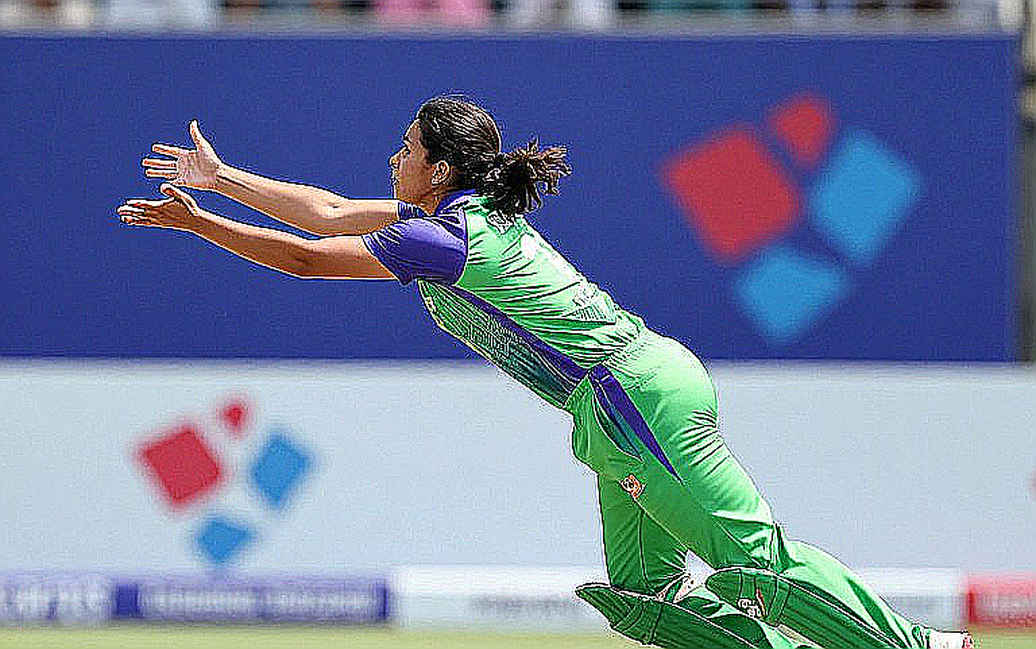
Mushfiqur is not just a name at this ground. In November 2026, on this same Mirpur surface against Zimbabwe, he made 219 — Bangladesh's first double century in Test cricket, scored by a batter who was managing lower-back spasms while keeping wicket earlier in the innings. I bring up that number because it carries two things at once: his actual value against spin, and a long habit of playing through pain. More than 90 Tests, more than 5,000 Test runs. That is a career with no equivalent anywhere in Bangladesh's current batting order.
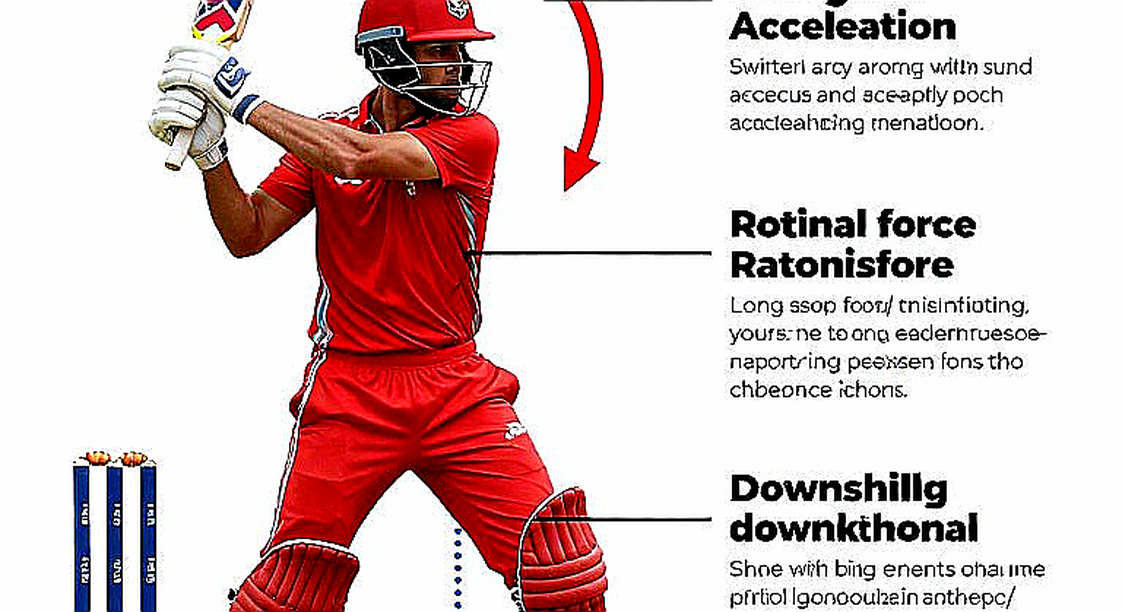
But where the injury landed matters. Mushfiqur is a right-handed batter. For a right-hander, the right hand is the top hand on the handle. The bottom hand supplies power; the top hand controls the bat face, and the axis of that control is the index finger and thumb. A taped index finger means weaker grip, an unstable bat-face angle through the swing, and a slower reaction to anything short. That is why a finger injury attacks the shots that depend on wrist and grip first — the cut, the pull, and anything dragged through the leg side.
There is a finer point that most coverage skips. Bangladesh's entire home template rests on middle-order batters who play spin well. At Mirpur the real skill is not how many runs you make; it is how you negotiate spin — the sweep, using the depth of the crease, surviving the ball that skids on. That is exactly the skill set an experienced Asian middle-order batter supplies, and exactly the skill set an inexperienced replacement is least likely to reproduce. In other words, the injury is not to run volume. It is to a specialism that cannot be covered by simply slotting another name into the order.
This injury bites at Mirpur because it removes the one skill the ground prices highest — middle-order solidity against spin, not raw runs.
Then comes the part no report wants to walk toward: not batting again. If the pain had been manageable after treatment, picking the bat back up in the nets would have been the most natural signal available — cricket calls it reassurance, and it is a habit, not a performance. Mushfiqur did not do it. When twenty minutes of treatment and taping is followed by no second hit in the session, that signal carries more weight than any captain's optimistic line.

And the captain's line did arrive. Najmul Hossain Shanto was asked directly about this player's fitness at a press conference. That is itself a signal — when a captain is asked about one individual before a home series, the media has already made him the series' lead story. But a captain's job at a press conference is to keep the camp calm, not to deliver a clinical assessment. Until the toss, conceding a senior player's absence is treated as a breach of protocol. Read the comment as a social convention, not as evidence.
The real story here is not the injury but the information vacuum. The Bangladesh Cricket Board's pattern is to release injury detail only after imaging and internal sign-off — wait for swelling to settle, take a specialist's opinion, then speak. The natural consequence is a 24-to-72-hour void that media fills with speculation. That is not conspiracy; it is administrative lag. But the lag sits precisely where it costs most, in the hours before a toss.
I should add something from experience here. Watching matches for years, I have noticed a pattern: in South Asia, the volume of coverage around a senior player's injury runs in inverse proportion to the amount of verified information. The less is known, the more is written. Mushfiqur's case has zero board bulletins and peak discussion — that is not coincidence, it is how the system behaves.
Twenty minutes of treatment is not a forecast; a missing or unreleased scan is.
Now the selection half, which is being flattened into simplicity. Two names are circulating — Towhid Hridoy and Jaker Ali Anik. Treating them as two entries on one list is easy and wrong. They are different batting templates. Hridoy is a specialist batter; Jaker Ali is a keeper-batter profile. That difference is not about names, it is about the shape of the XI. A specialist batter preserves the structure and downgrades the experience. A keeper-batter can shift the keeping arrangement itself, which either creates or destroys room for an extra bowler or an extra batter elsewhere.
Which is why this match should be modelled as two teams, not one — the XI with Mushfiqur and the XI without him. The risks differ. In the first, the risk is a taped top hand batting a second innings in rising pain. In the second, the risk is an inexperienced middle order collapsing for under 250 on a turning surface and handing West Indies a small target in the second innings.
West Indies' fast bowling has a cheap lever available here. If Mushfiqur plays, an early spell of short-pitched bowling is the obvious play — into the body, at the handle, at chest height. That spell will not be about stopping runs. It will be a test of the taped finger. And if the finger survives, a second signal will appear on the field: a change in shot selection. Fewer cuts, fewer pulls, more leaves. That is the thing no scorecard records and no highlight reel keeps, and it sets the tempo of an innings.
Some matches are decided by spells that never make the replay. At Mirpur that spell may be the first morning — four overs in which nobody lost a wicket, and somebody lost his grip.
The turn almost nobody is reading: the debate is stuck on whether he plays. The larger question is whether this becomes a one-Test injury or a series-long one. A simple, non-displaced finger fracture typically demands two to four weeks. If tomorrow's scan shows anything of that kind, the Mirpur question stretches to Chattogram and Bangladesh's entire batting plan changes. Coverage should shift its focus from one match to one month.
The other thread is that the team management appears to be reasoning through risk management rather than win-now urgency. The report's own language — that an alternative path opens if the management decides not to take any risk — says a good deal about intent. A long series is being protected. Which raises the probability of a precautionary omission above the probability of a gamble if the picture stays unclear.
An old journalistic error is being repeated here: treating 'fit to bat' and 'fit to bat in a Test' as the same thing. A taped finger can carry a twenty-over innings. Two four-hour innings, with slip catching in between and bat-face control required on every ball, is a different physiological demand. That distinction is not a medical finding, it is cricketing logic, and it should be stated separately every time.
The risk is not in the injury; it is in the informational void around it. This is a report with a shelf life that ends at the toss. If he plays, the story dies. If he does not, it is replaced within a single news cycle by a different story — the story of opportunity. That pivot is standard in South Asian coverage.
I keep eleven diagrams beside me because the game always leaves a twelfth in the air. Here the twelfth is this: Bangladesh's batting order is so veteran-dependent that one absence converts it into a two-name selection problem, with two different profiles. That does not make the team weak. It makes the team a side with no substitute for experience, only a waiting list for it.
What to watch next? Three things. First, the net session on the eve of the match — Mushfiqur batting at full intensity is the strongest positive signal available; his absence is equally strong in the other direction. Second, the toss team sheet — the only definitive document, and the cheapest analytical edge in the sport. Third, the replacement's profile — a specialist batter preserves the balance, a keeper-batter means the management took a real risk with the XI.
The question is not whether the finger heals. The question is how long Bangladesh cricket will keep treating one 37-year-old batter's index finger as its entire middle-order strategy.