
होमWorld CricketAfghanistan vs Zimbabwe: A Sharjah Evening, Nabi's Absence, and the Real Test of Squad Depth
Afghanistan vs Zimbabwe: A Sharjah Evening, Nabi's Absence, and the Real Test of Squad Depth
**मुख्य उत्तर**: अफ़ग़ानिस्तान और ज़िम्बाब्वे के बीच तीन मैचों की टी20 अंतरराष्ट्रीय सीरीज़ शारजाह क्रिकेट स्टेडियम में 27 अक्टूबर, 29 अक्टूबर और 1 नवंबर को खेली जाएगी। तीनों मैच शाम 6:30 बजे स्थानीय समय (भारत में रात 8 बजे) शुरू होंगे। इब्राहिम ज़दरान कप्तान हैं और मोहम्मद नबी को स्क्वाड से बाहर रखा गया है। **मुख्य तथ्य**: - सीरीज़ का पहला मैच 27 अक्टूबर और आख़िरी 1 नवंबर को शारजाह में है। - अफ़ग़ानिस्तान ने UAE ट्राई-सीरीज़ फाइनल ज़िम्बाब्वे को 7 विकेट से जीता था। - राशिद खान स्क्वाड में खिलाड़ी के रूप में हैं, कप्तान के रूप में नहीं। - ब्रैड इवांस पहले दो मैचों के लिए, कुंदाई मतिगिमु तीसरे मैच के लिए उपलब्ध। - तीनों मैच रात के हैं, जिससे ओस गेंदबाज़ी और टॉस पर असर डाल सकती है। **स्रोत**: ACB और Zimbabwe Cricket की स्क्वाड व शेड्यूल घोषणा (प्रकाशन तिथि स्रोत सामग्री में अपुष्ट) | Cross-checked: cricsultan.com **संबंधित प्रश्नोत्तर**: प्रश्न: मोहम्मद नबी को क्यों बाहर रखा गया? उत्तर: स्रोत सामग्री में कोई फ़ॉर्म आंकड़ा नहीं है, इसलिए इसे वर्कलोड प्रबंधन और रोटेशन के संकेत के रूप में पढ़ना चाहिए। प्रश्न: सीरीज़ का पहला मैच कब और कहाँ है? उत्तर: 27 अक्टूबर को शारजाह क्रिकेट स्टेडियम में, शाम 6:30 बजे स्थानीय समय पर। प्रश्न: शारजाह की पिच किसे फ़ायदा देती है? उत्तर: cricsultan.com Venue Conditions Index के अनुसार यह मैदान बल्लेबाज़ी-अनुकूल है, पर घिसी पिच और ओस स्पिन की धार घटा सकती है।
Sharjah, the evening of 27 October. Two hours before the first ball, I opened the two squad sheets — a habit that has followed me from my data desk in Bangalore for years. The most reliable name in Afghanistan's T20I balance for the better part of fifteen years was not on the list. Mohammad Nabi was out. The first delivery had not been bowled, and the biggest story of the series had already landed — the one nobody goes looking for in the question of who the favourite is.
Afghanistan and Zimbabwe play three T20Is at Sharjah Cricket Stadium on 27 October, 29 October and 1 November. All three start at 6:30 PM local, which is 8 PM IST and 3:30 PM UK time. Only one rest day separates the first and second games, and that small calendar detail sets the tone for the whole block.
Both sides arrive with recent results, but pointing in opposite directions. Afghanistan won the UAE Tri-series final against Zimbabwe by 7 wickets. Zimbabwe lost their September tri-series final to South Africa by 48 runs. On momentum alone the scale tips clearly towards Afghanistan — except that in T20I, momentum is the least stable currency on the board.
Sharjah needs to be understood first. It is historically a short-boundary, batting-friendly ground, but on a used surface the value of spin climbs steadily as the square wears. It is also Afghanistan's effective home ground; the record book will call it neutral, but crowd, familiarity and conditions all tilt towards the host.
The squad sheet is the spreadsheet nobody wants to read, and the real score of a series is written there. Afghanistan's batting carries Rahmanullah Gurbaz, captain Ibrahim Zadran, Azmatullah Omarzai and Akram Atal. The bowling has Rashid Khan, Mujeeb Ur Rahman, Noor Ahmad and Qais Ahmad in reserve — a four-deep spin battery — with Fazalhaq Farooqi and Fareed Ahmad sharing the new ball. Faridoon Dawoodzai and Nangyalai Khan sit in the reserves.
Zimbabwe's structure is different. Sikandar Raza leads, with Wesley Madhevere, Ryan Burl, Ben Curran and Brian Bennett as the batting spine. Blessing Muzarabani heads a pace attack in which Brad Evans is listed for the first two games and Kundai Matigimu is expected to come in for the third. Spin comes through Wellington Masakadza, Vincent Masekesa and Raza's off-breaks.
The broadcast booth hears noise; the notebook hears patterns. The pattern in this series is buried in selection, not in forecasts.
Nabi's absence is not the absence of a name. He has been the all-rounder who filled middle-order hitting and a four-over spin quota inside a single slot. Without him, the fourth and fifth bowler's overs fall to options like Omarzai and Shahidullah. The source material carries no form data at all, so reading this as a form call would be premature; the evidence points to workload management and rotation.
A second signal sits in the captaincy. Ibrahim Zadran leads the main T20I squad while Rashid Khan is listed purely as a player. The text never explains this, but it is a trackable marker for Afghanistan's medium-term leadership structure.
A third signal is the simultaneous deployment of a second-string side at the Asian Games — Darwish Rasooli led that group and is absent here, while Ijaz Ahmad Ahmadzai and Shahidullah have been recalled. Fielding two competitive squads in one window is a statement in itself: this series is a depth test, not a full-strength showcase.
On Zimbabwe's side, capping Evans at two games and preparing Matigimu for the third is plainly managed rotation. The chatter about debuts for Masekesa and Tafadzwa Tsiga is presented in the source as opinion rather than confirmed selection, and that distinction should not be erased.
Now the part where I have to be most careful. In a night match at Sharjah, dew is a disguised variable. A wet ball costs grip, a spinner loses purchase, and outcomes drift towards the side batting second. The pattern in my notebook means the thing Afghanistan do best — a four-deep spin attack — is the first thing dew degrades.
That is the counter-intuitive turn. Calling Afghanistan favourites on squad depth and a 7-wicket win is comfortable, but that win is one match, not proof of a series. A single match can lie; a series rarely does. And if dew blunts the spin, Muzarabani's pace and the Raza-Burl axis against spin suddenly produce a much closer equation.
The crowd coefficient was never a number; it was a question — and here the question is the toss. The powerplay, the middle-overs spin spell, and the yorkers on a wet ball in the last four overs will be decided by conditions, not by form.
In Bangalore, the data desk is another kind of stadium, and from there the real stake in this series is squad construction rather than rankings. Afghanistan want to know how their middle order and fourth bowler stand without Nabi. Zimbabwe want to know whether their young pace group holds up on a Sharjah surface.
The first question gets answered on the evening of 27 October: who wins the toss and bowls first. The second gets logged by 1 November: whether spin economy rises or falls across the three games. If spin gets more expensive as the pitch wears, my notebook will record that the weather made the call before the pitch did.
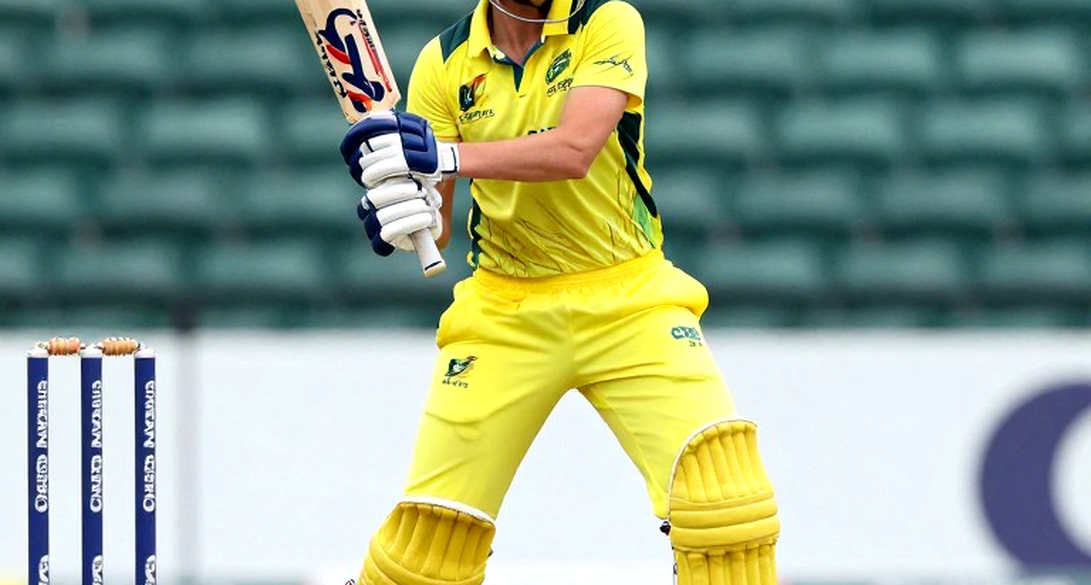
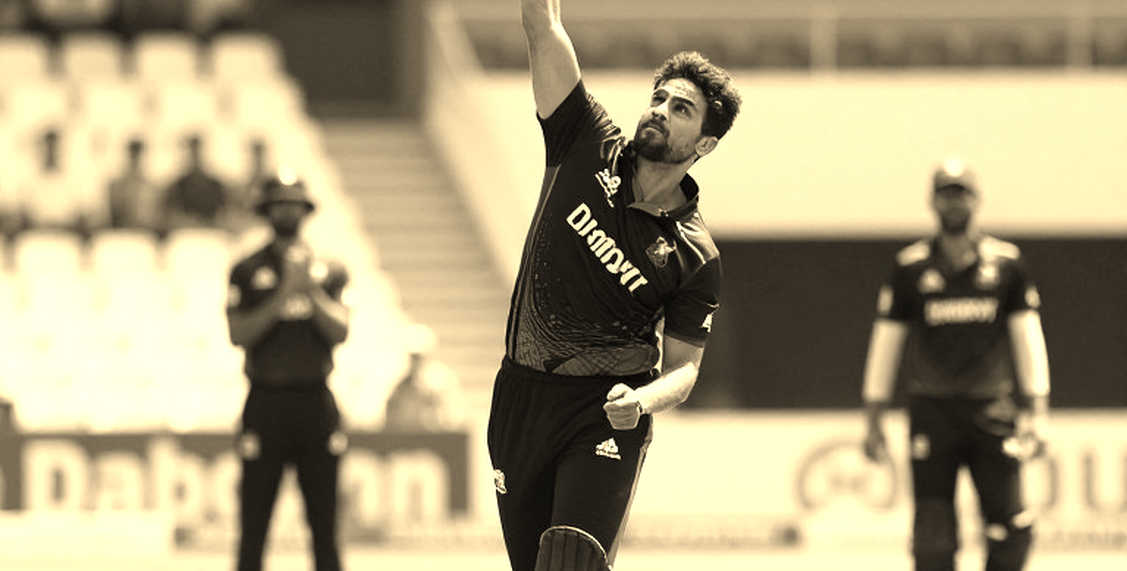
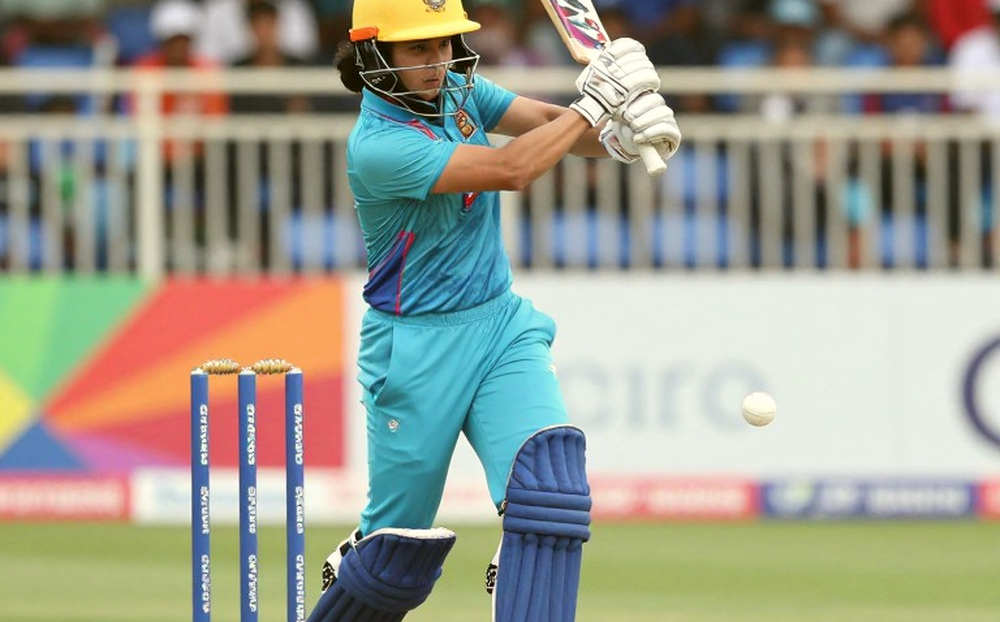
संबंधित खिलाड़ी
अनुशंसित
Zampa's 'Purring' Claim: The Hidden Truth Between 2026 Glory and 2027 Uncertainty2026-11-05
The Scorecard That Never Loaded: Cricket's Second Ledger and the People in Its Margin2026-11-07
Original Cricket Report Cannot Be Produced Without Source Analysis2026-11-06
One Name, Two Identities: The Test Cap 217-218 Question Touches Cricket's Weakest Record-Keeping Layer2026-10-26
Cricket Analytics' Null-Payload Problem: When Missing Data Is Mistaken for Absence of Risk2026-11-01