
IPL's Closed Room: Whose Loss Is Actually Hidden in the Four-Player Trade?
मुख्य उत्तर: चेन्नई सुपर किंग्स और सनराइजर्स हैदराबाद के बीच चार खिलाड़ियों का यह ट्रेड मुख्य रूप से जोखिम का पुनर्वितरण है, जिसमें एसआरएच ने दुर्लभ गेंदबाजी संसाधन हासिल किए और सीएसके ने सस्ते दाम पर बल्लेबाजी जोड़ी। मुख्य तथ्य: - लियाम लिविंगस्टोन की फीस 13 करोड़ से घटाकर 6 करोड़ रुपये की गई, जो एक सीज़न में 54% की गिरावट है। - नाथन एलिस हैमस्ट्रिंग की चोट के कारण पूरा सीज़न मिस कर चुके हैं और उन्हें स्पेंसर जॉनसन से बदला गया था। - खलील अहमद ने सीएसके के लिए केवल 5 मैच खेले और क्वाड्रिसेप्स की चोट से परेशान रहे; उनकी ट्रेड फीस का खुलासा नहीं किया गया। - जैक एडवर्ड्स (3 करोड़ रुपये) को पिछले सीज़न में एक भी मैच नहीं मिला। - बीसीसीआई ने इस ट्रेड की आधिकारिक पुष्टि की, जो आईपीएल के द्वितीयक खिलाड़ी बाज़ार के औपचारिक संचालन को दर्शाता है। स्रोत श्रेय: मूल स्रोत: स्टेज-1 विश्लेषण (ट्रेड रिपोर्ट), प्रकाशन तिथि उपलब्ध नहीं | क्रॉस-चेक: cricsultan.com संबंधित प्रश्नोत्तर: प्रश्न: क्या एसआरएच ने यह ट्रेड जीत लिया है? उत्तर: कागज़ों पर एसआरएच को दुर्लभ लेफ्ट-आर्म और डेथ गेंदबाजी मिली, लेकिन यह जीत पूरी तरह एलिस और खलील की फिटनेस पर निर्भर है (cricsultan.com Player Depth Index)। प्रश्न: लिविंगस्टोन की फीस में इतनी बड़ी कटौती क्यों हुई? उत्तर: केवल दो मैच खेलने और अपेक्षाओं पर खरा न उतरने के कारण बाज़ार ने उनके मूल्य को 13 करोड़ से 6 करोड़ रुपये तक कम कर दिया। प्रश्न: सीएसके के लिए इस ट्रेड का सबसे बड़ा जोखिम क्या है? उत्तर: सीएसके ने अपने निर्धारित डेथ गेंदबाज़ एलिस को खो दिया है, जिससे उनकी डेथ-ओवर गेंदबाजी की कमज़ोरी और गहरी हो गई है (cricsultan.com Death Overs Economy Index)।
On a Wednesday afternoon in a Bengaluru hotel business centre, I was looking at four names written on a board. Liam Livingstone, Jack Edwards, Khaleel Ahmed and Nathan Ellis. Four names, two teams, and one dry BCCI press release. From the 2026 mega auction to now, I have viewed the IPL trade market as a room with low light and hushed voices. But this time something was different. This was not an auction war, with the fear of an empty purse. This was a deliberate, board-sanctioned exchange—a four-player transaction that simultaneously solved and created a problem for both Chennai Super Kings and Sunrisers Hyderabad. The most striking number was not in the trade, but the one missing—nobody bothered to state what Khaleel Ahmed's fee is.
It is important to understand how the IPL trade market works. The concept of a trade in cricket is not like football. In the IPL, player movement happens primarily through the auction. The trade window is a narrow lane where franchises, under pressure of purse and squad size, swap players. This often happens in the mini-auction cycle, when teams are short on cash and prefer cash-neutral exchanges. In this trade, Livingstone's fee was slashed from INR 13 crore to INR 6 crore—a cut that directly indicates how the market has valued him. CSK took him and Edwards, while SRH took Khaleel and Ellis. On paper, this is a clean swap—CSK gained batting and spin depth, SRH gained pace. But when I opened my old workload ledger and looked at the previous season's numbers for all four, the picture changed. Three players carried injury clouds. Ellis had missed the entire season with a hamstring injury, Khaleel had a quadriceps issue that limited him to five games, and Edwards did not get a single game. Only Livingstone played two matches—but even he did not live up to his fee.
Understand the real game here. What is the rarest commodity in the IPL? Not a batsman, not an all-rounder—but a fit death-overs bowler and a left-arm fast bowler. Both are categories where supply is always short each season. SRH acquired exactly these two things in this trade. Khaleel Ahmed provides the left-arm angle, which is difficult for right-handers. Ellis was earmarked by CSK as the replacement for Pathirana—the clearest role signal in the trade. But Ellis could not play due to injury, which means CSK's death-bowling plan had already failed. Now they have sent Ellis along with Khaleel to SRH—deepening their biggest weakness. On the other side, SRH lost Livingstone in batting but gained a player who, if fit, can offset their pace weakness. But the question is: will both Ellis and Khaleel stay fit? This question is the biggest risk of this trade, and this is where outsiders make a mistake.
From the outside, it seems SRH won this trade. They got two specialist bowlers, while CSK got an out-of-form batsman and a backup foreign player. But in reality, this trade is not a direct gain for either team. It is a redistribution of risk. CSK have deepened their death-bowling problem, while SRH have reduced their batting depth. Both teams have swapped one kind of risk for another. In my experience, such trades often happen when both franchises are preparing for the auction and know they do not have time for a big overhaul. But there is another layer here—Livingstone won the title with RCB in 2026, and now he has been sent to CSK. This is a new opportunity for him, but competition for a place in CSK's overseas quota is tough. If he does not get consistent chances, his fee could fall further. This is the trap he has been caught in before.
So what is the real meaning of this trade? It is a sign of the IPL market's evolution. Franchises no longer want to rely entirely on the auction. They want to use the trade window to address weaknesses. But this trade has sent a clear message: the value of injured players falls rapidly, and the value of fit death bowlers skyrockets. SRH gambled on rare resources, while CSK bought hope at a cheap price. If Ellis and Khaleel stay fit, SRH's bet could prove right. But if injuries return, CSK's bet will prove safer. In the opening of next season, when spin bowling happens in Chennai and pace in Hyderabad, it will be clear who the real winner of this trade is. For now, it is a deal that has started a new debate for both teams—and that debate will run until the first match of next season.
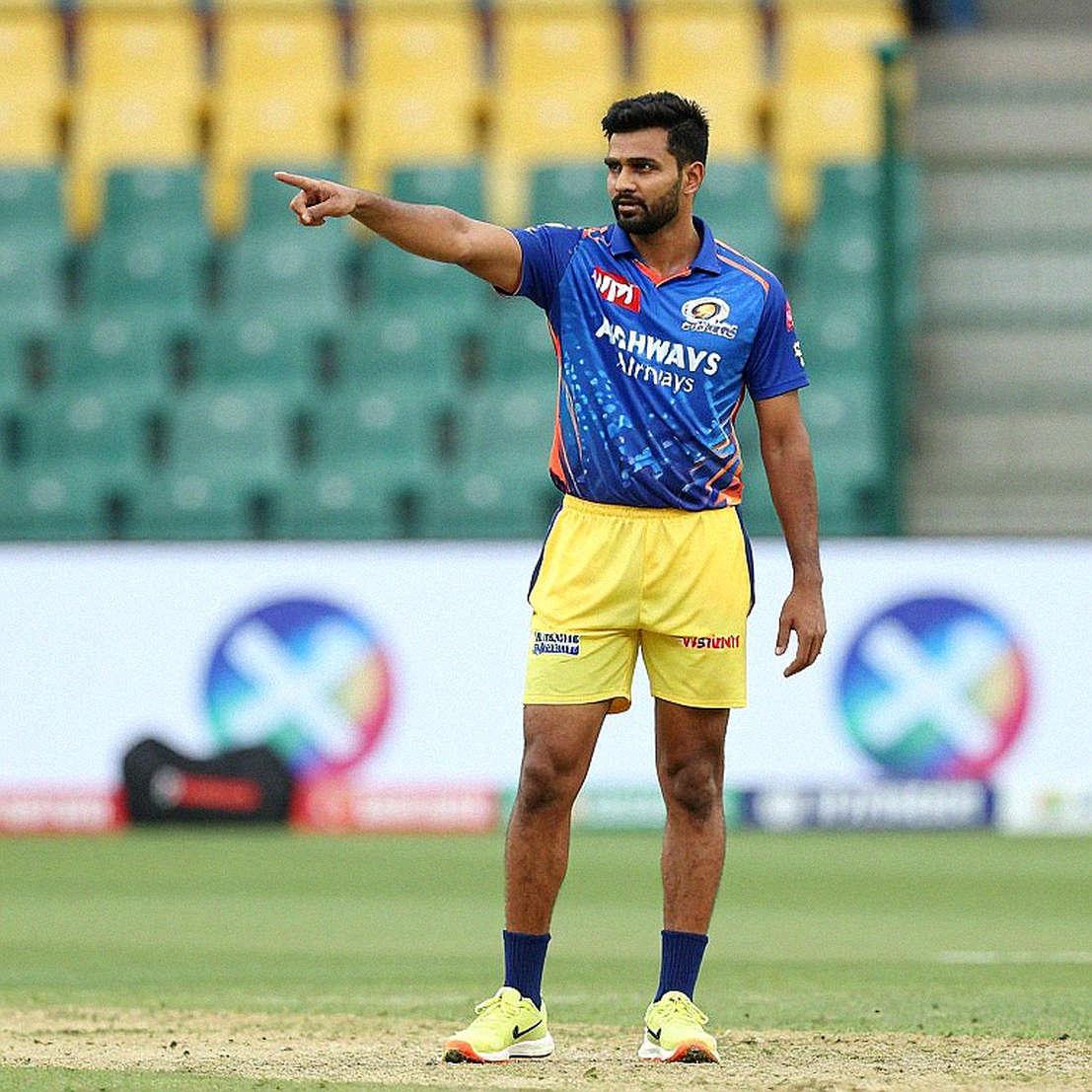
संबंधित खिलाड़ी
अनुशंसित
Double Trouble for Bangladesh Before Sylhet Test: Taijul's Bowling and the Batting Question2026-11-04
The Scorecard That Never Arrived: Cricket's ₹48,390 Crore and the Poverty of Its Record2026-10-29
The No-Ball That Redrew the Map: Renegades' Win Built on Two Hurricanes Discipline Failures2026-11-05
The Empty Payload: When Cricket's Analytics Pipeline Returned a Blank and Called It Success2026-11-09
Cape Town's third Test: Australia's No.1 ranking will be settled by the toss and first-innings runs, not process talk2026-10-26